Trump Hunkers Down after US Strikes Iran
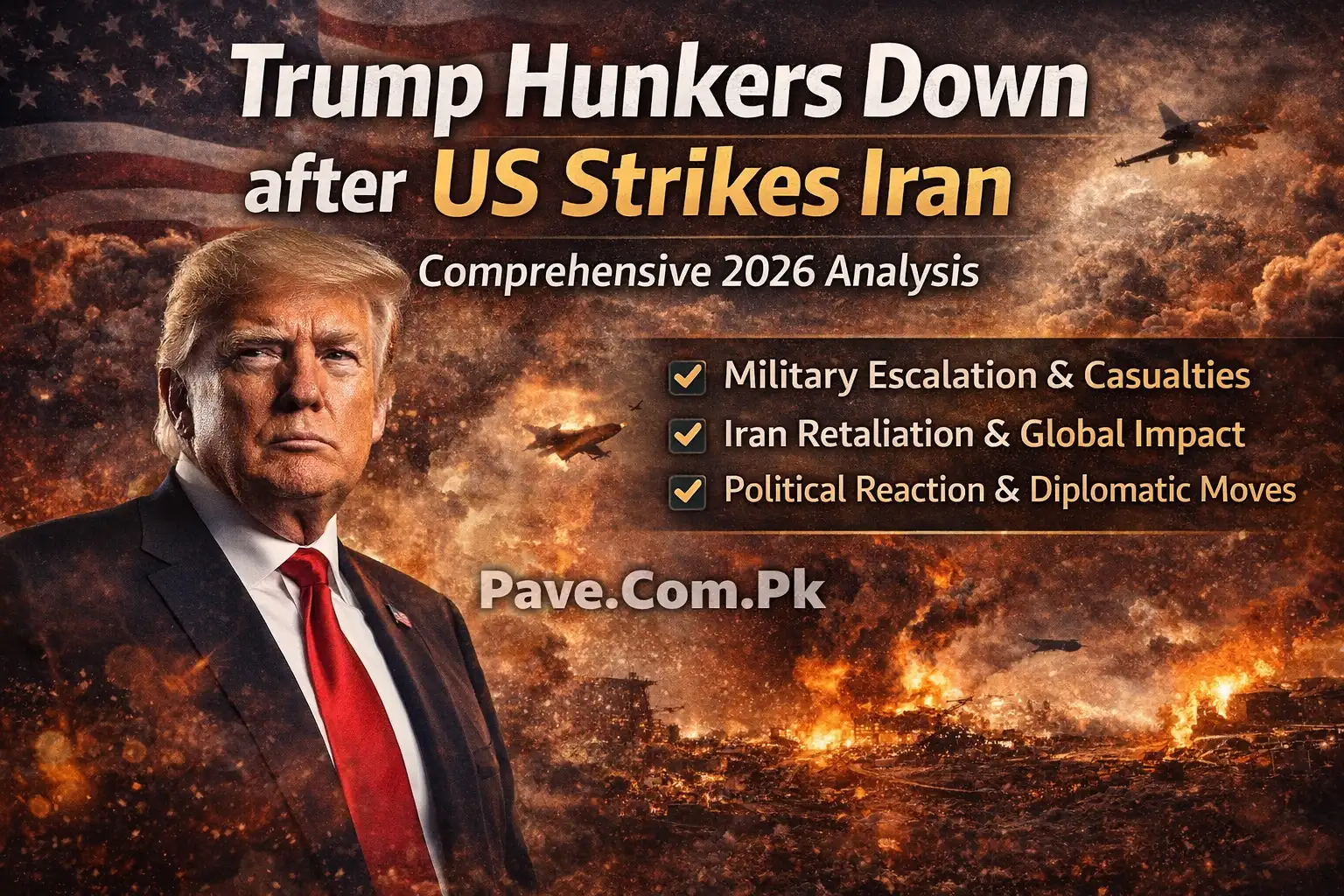
In a major escalation of conflict that has drawn global attention, President Donald Trump has been reported to be “hunkering down” at his Mar-a-Lago resort after launching large-scale U.S. military strikes on Iran. The attacks — carried out in coordination with Israeli forces — have ignited a broader war, reshaped geopolitical relations, and triggered debates about U.S. foreign policy, national security, and global stability.
Trump’s response — both military and political — remains one of the most discussed topics around the world. From military casualties to diplomatic pressure, from oil market upheaval to protests inside the United States, the situation continues to unfold with wide-ranging consequences.
Background: US-Israel Strikes on Iran
The crisis began on 28 February 2026, when coordinated air and missile strikes targeting Iran’s strategic infrastructure and leadership were launched by Israeli forces, reportedly supported by U.S. military assets under an operation named Operation Lion’s Roar.
Reports indicate:
- Explosions in Tehran and other regions of Iran
- Significant damage to Iranian command and control infrastructure
- Confirmed death of Supreme Leader Ayatollah Ali Khamenei, announced by Iranian state media on 1 March 2026
- Massive retaliation from Iranian military forces across the Middle East
These events have thrust the United States and Iran into active conflict — the most severe between the two nations in decades — and have led to ripples felt across global markets, political alliances, and international diplomacy.
Donald Trump’s “Hunker Down” Posture
After overseeing the initial strikes, Trump has maintained a low-profile presence at his Mar-a-Lago resort in Florida as military operations continue. According to reports, he has stayed there to monitor developments, conduct strategy calls, and respond to unfolding events.
This posture reflects a blend of military oversight and political positioning, as Trump faces simultaneous pressures from both domestic critics and international leaders.
Trump’s Public Statements After the Strikes
Despite reports of laying low, President Trump has issued several high-impact statements:
1. Vows to Continue Attacks
Trump has described the military actions as part of a “righteous mission” and pledged that the strikes will continue until “all objectives” are achieved. He also acknowledged that more U.S. troops might die in the process.
2. Ultimatum to Iran
In a stern message posted online, Trump warned the Iranian regime to surrender or face “certain death,” reinforcing his aggressive military stance.
3. Willingness to Negotiate
In interviews, Trump has indicated that he is open to talks with Iran’s newly installed leadership, saying he plans to communicate with them despite ongoing hostilities.
These mixed messages illustrate a dual strategy — maintaining military pressure while keeping an avenue open for diplomacy.

US Casualties and Military Situation
The conflict has already caused American military casualties, marking a significant escalation in U.S. involvement. Confirmed reports state:
- Three U.S. service members killed
- Five others seriously wounded
These deaths occurred during Iran’s counter-attacks on U.S. bases in the Gulf region.
The U.S. military response has targeted:
- Iranian missile systems
- Revolutionary Guard Corps facilities
- Iranian naval assets, including the reported sinking of several warships
These operations have been described by military officials as ongoing and “ahead of schedule.”
Global Political Response
The international reaction to the U.S.-led strikes has been sharply divided:
Supportive Allies
Some countries, particularly Israel and a few Gulf states, have backed the U.S. actions, framing them as necessary to prevent Iran’s nuclear ambitions and regional aggression.
Critics and Cautioners
Many world leaders have urged restraint and diplomatic solutions. Critics argue that attacking without clear international authorization could undermine global law and set dangerous precedents.
Additionally, significant protests and public dissent have emerged in various countries, including the U.S., where a poll suggests only about 25% of Americans support the attacks on Iran — indicating deep domestic divisions.
Regional Escalation and Middle East Security Impact
Iran’s Retaliation
Iran has launched retaliatory missile and drone strikes on:
- U.S. bases in the Gulf
- Israeli territory
This retaliation has escalated clashes and triggered broader security concerns across the Middle East.
Hezbollah and Other Groups
Militant groups such as Hezbollah have also engaged in exchanges of attacks with Israeli forces, expanding the conflict beyond a bilateral U.S.–Iran confrontation.
This widening of the battlefield underscores how a single operation can quickly involve multiple actors and create regional instability.
Economic Ramifications and Oil Market Turmoil
The conflict has disrupted global energy markets, especially through the Strait of Hormuz, a crucial waterway for world oil flow. Disruptions here have caused:
- Oil prices to surge
- Gasoline prices in the U.S. to rise
- Insurance and shipping premiums to increase
Analysts warn this could put political pressure on Trump as higher energy prices affect everyday consumers ahead of major elections.
US Domestic Political Fallout
Within the United States, the conflict has generated intense political debate:
Lawmakers Express Concern
Members of both parties have voiced unease over the lack of a detailed post-attack strategy. Some argue that Trump should seek congressional approval for continued military operations.
Public Opinion Split
While some citizens support the President’s actions as defense of national interests, others worry about:
- U.S. involvement in another prolonged conflict
- Economic consequences
- Long-term national security risks
This divide reflects a broader national conversation about military engagement and executive authority.
Humanitarian and Regional Civilian Impact
The strikes and subsequent counter-strikes have had severe human consequences:
- Civilians have been killed or injured in Iran and nearby regions.
- Infrastructure, including schools and public buildings, has been damaged.
- Displacement and fear have increased across multiple Middle Eastern communities.
These developments raise concerns among humanitarian organizations about civilian safety and the sanctity of non-combatant life.
The Diplomatic Tightrope: War vs. Peace Talks
Despite the ongoing conflict, some diplomatic channels remain active:
Omani Mediation
Omani officials have stressed that the “door to diplomacy remains open,” emphasizing that conflict need not extinguish chances for peace talks.
Trump’s Statements on Negotiations
Trump himself has spoken of his willingness to engage in talks with Iranian leaders — an indication that diplomacy still plays a role in the strategy, even as military action continues.
This balance between war and potential negotiation highlights the complexity of the current crisis.
What Comes Next? A Look Ahead
The conflict is far from resolved, and future developments may include:
- Continued military operations by the U.S. and allies
- Further retaliation by Iranian forces
- Escalation involving other regional actors
- Diplomatic negotiations to reduce tensions
- Economic sanctions and global sanctions regimes
Analysts suggest that the conflict could last weeks or even months, depending on how quickly diplomatic engagement gains traction and whether either side seeks to de-escalate.
Trump’s leadership — blending military action, diplomatic openness, and political calculation — will likely remain under intense global scrutiny in the weeks to come.
Conclusion
The U.S.–Iran confrontation in 2026 marks one of the most significant geopolitical events of the decade. President Donald Trump’s strategy — involving both hardened military pressure and occasional willingness to engage diplomatically — has reshaped the conflict landscape and triggered worldwide debate.
From casualties and regional escalation to economic volatility and political division at home, the ramifications of the strikes on Iran will continue to unfold across multiple fronts. As the world watches closely, the next chapters of this crisis will play a crucial role in shaping international relations in the 21st century.