
Sugarcane Expansion Threatens Cotton Belt – Farmers Report Rapid Crop Shift
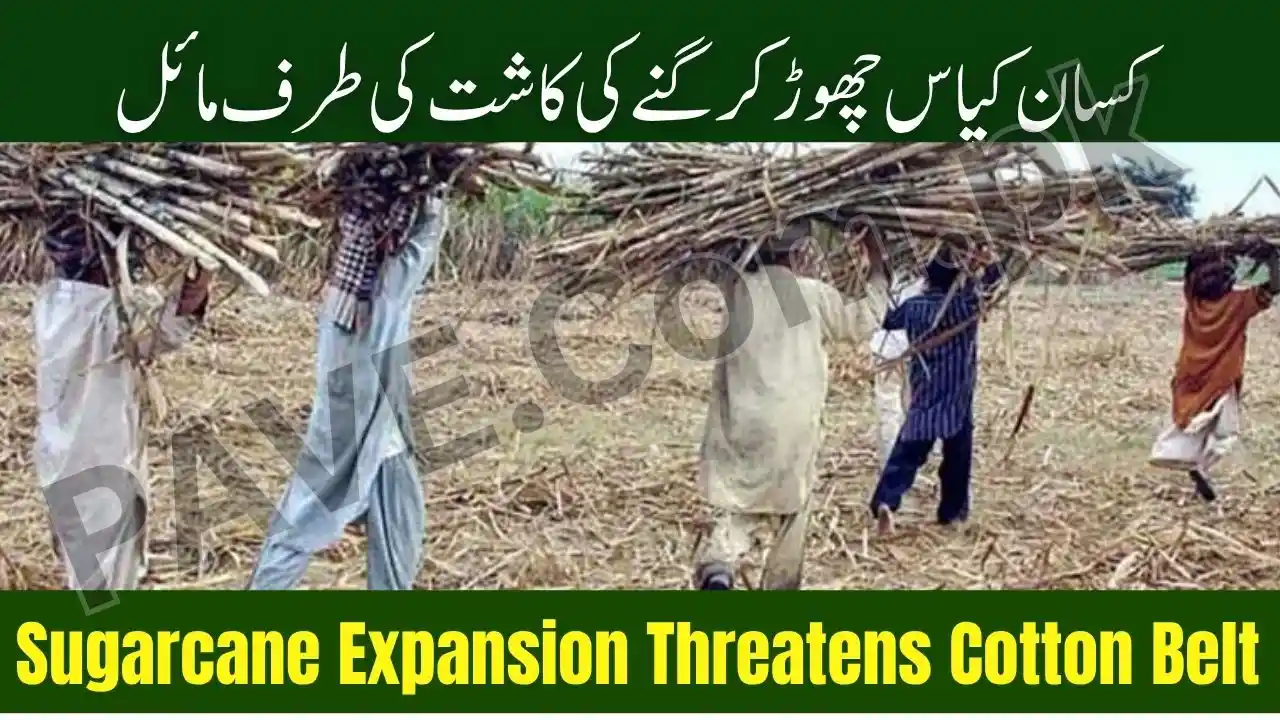
In a major development for Pakistan’s agriculture sector, Sugarcane Expansion Threatens Cotton Belt as farmers across Punjab and Sindh increasingly replace cotton with sugarcane. Agriculture experts warn that this rapid shift may create long-term challenges for the textile industry, water resources, and crop balance across the region. Farmers say the move is driven by unstable cotton prices, rising production costs, and the high profitability of sugarcane supported by stronger market demand and mill influence.
The shift has been especially visible in the districts traditionally known as the cotton belt Pakistan — including Rahim Yar Khan, Bahawalpur, Bahawalnagar, Muzaffargarh, Lodhran, and Rajanpur — where sugarcane acreage has doubled in the past few years.
Why the Cotton Belt Is Shrinking
Farmers across Punjab report that they have been slowly moving away from cotton due to inconsistent yields and unpredictable market rates. Many say that sugar mills’ timely payments and higher procurement prices have encouraged them to switch to sugarcane.
Check Also: Dubai Airports to Remove Check-In Process for Everyone – Full Details of the New Travel System
Key Reasons for the Crop Shift
- Low cotton yield due to pests & climate changes
- High cost of pesticides and inputs
- Sugarcane cultivation rise due to higher returns
- Delayed support from the textile sector
- Strong influence of sugar mills in Punjab and Sindh
- Better crop security and longer harvesting period
This combination of economic and environmental challenges has directly pushed farmers toward sugarcane despite its heavy water requirements.

Water Shortage Worsens the Situation
Agriculture officials highlight a major concern: sugarcane requires far more water than cotton. In many districts already struggling with water shortage Punjab agriculture, this shift is expected to create long-term irrigation pressure.
Experts fear that groundwater levels may drop further in key cotton-growing zones.
Water Use Comparison
| Crop | Water Requirement | Impact |
|---|---|---|
| Cotton | Low to Medium | Sustainable for dry regions |
| Sugarcane | Extremely High | Risk of groundwater depletion |
This has raised alarms among environmental specialists, who warn that the trend may not be sustainable beyond the next decade.

Market Dynamics: Why Farmers Prefer Sugarcane
Cotton pricing has fluctuated sharply in the last five seasons, leaving growers uncertain about their earnings. Meanwhile, sugarcane offers:
- Guaranteed mill purchasing
- Better per-acre income
- Less dependency on pesticides
- Strong demand due to sugar production needs
Farmers interviewed say the profitability gap between sugarcane and cotton has widened significantly, making the decision easier for them.
One farmer from Rahim Yar Khan stated:
“Cotton is no longer a stable crop. Every year, either the prices fail or the crop gets destroyed. Sugarcane gives us sure income.”

Impact on Pakistan’s Textile Industry
Pakistan’s textile sector — heavily dependent on domestic cotton — is already facing pressure as more farmers move away from cotton cultivation. The drop in local cotton availability forces textile companies to rely more on imported cotton, increasing production costs.
Textile Concerns
- Higher import bills
- Uncertain domestic supply
- Decline in cotton-based exports
- Threat to long-term sustainability
The trend could worsen Pakistan’s trade balance if immediate measures are not taken.

Districts Most Affected by the Crop Shift
The rise of sugarcane in the cotton belt is especially visible in the following districts:
| District | Trend |
|---|---|
| Rahim Yar Khan | Highest sugarcane expansion |
| Bahawalpur | Cotton replaced on large areas |
| Bahawalnagar | Rapid shift due to high returns |
| Muzaffargarh | Water pressure rising |
| Lodhran | Cotton production declining |
| Rajanpur | Increasing sugarcane acreage |
Agriculture departments are concerned that if this continues, cotton production could decline by 25–30% in the next five years.
Government Response
Provincial agriculture departments have acknowledged the trend and are discussing policies to restore cotton cultivation. Some proposed measures include:
- Minimum support price for cotton
- Subsidies on seeds and pesticides
- Incentives for cotton growers
- New high-yield cotton varieties
However, no major policy intervention has been implemented yet.
What Farmers Are Saying
Farmers argue that they will continue shifting to sugarcane unless cotton becomes profitable again. Many say that without clear government support, cotton will continue to lose ground.
A grower from Bahawalnagar reported:
“We are forced to move to sugarcane. Cotton is too risky and expensive. Sugarcane is the only stable choice left for us.”
Future Outlook: What to Expect
Experts predict that Pakistan’s cotton belt will continue shrinking unless immediate measures are taken. The Sugarcane Expansion Threatens Cotton Belt trend may increase further due to:
- Higher sugarcane market prices
- Mill influence in rural areas
- Rising cost of cotton inputs
- Lack of modern cotton technologies
- Increasing climate stress in cotton regions
The long-term outcome may include:
- Greater textile dependency on imports
- Water scarcity in key districts
- Reduced crop diversity
- Tough competition for agricultural land
Check Also: Breaking News: Huge Drop in Gold Per Tola in Pakistan Today
FAQs about Sugarcane Expansion Threatens Cotton Belt:
1. Why is sugarcane expansion threatening the cotton belt?
Because sugarcane is more profitable and stable, farmers are replacing cotton, reducing cotton acreage across Punjab and Sindh.
2. Which areas are most affected by the crop shift?
Rahim Yar Khan, Bahawalpur, Bahawalnagar, Lodhran, Rajanpur, and Muzaffargarh.
3. Why are cotton farmers struggling?
Unpredictable market prices, high pesticide costs, pest attacks, and low yields.
4. Does sugarcane require more water than cotton?
Yes, sugarcane is a highly water-intensive crop, increasing irrigation pressure.
5. Will this shift affect Pakistan’s textile industry?
Yes, local cotton shortages may force textile mills to import more cotton.
6. Is the government offering support to cotton growers?
Some proposals exist, but no major policy implementation has begun.
7. Why are sugar mills influencing this shift?
They provide guaranteed purchases and profitable returns to farmers.
8. What is the future of cotton in Pakistan?
It depends on government support, modern seed varieties, and improved market policies.