
Sindh to Ban Import of Non-Native Animal Species – Major Reforms Planned for Wildlife Protection
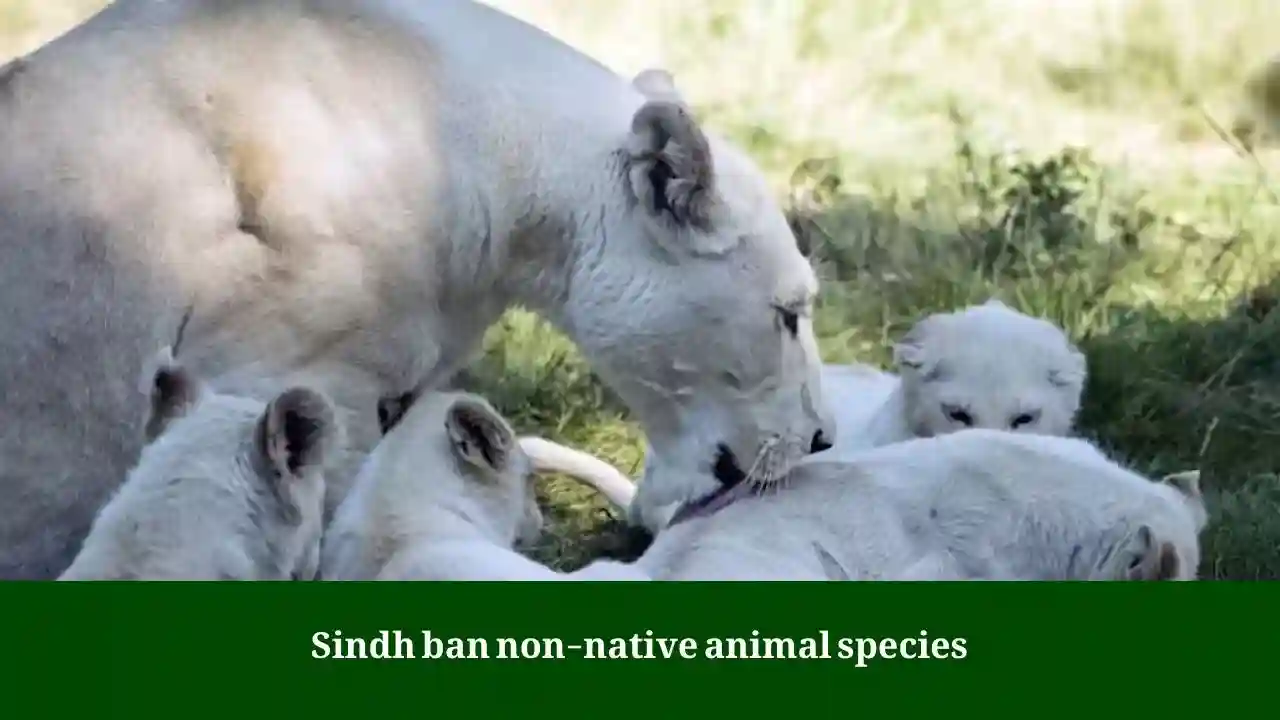
The Sindh government has decided to take decisive action to protect local biodiversity and wildlife habitats by proposing a complete ban on the import of exotic animal species not native to the province. The move comes amid growing concern over the mismanagement of animals at the Karachi Zoo and other private wildlife enclosures.
This significant reform follows a directive issued by Sindh Chief Secretary Asif Hyder Shah, who chaired a high-level meeting to review the Sindh Wildlife Department’s performance, legal framework, and law enforcement capacity under the Sindh Wildlife Protection, Preservation, Conservation, and Management Act, 2020.
Chief Secretary Orders Crackdown on Wildlife Violations
During the meeting, Chief Secretary Asif Hyder Shah expressed serious concern over widespread violations of wildlife laws and poor conditions at Karachi Zoo. He instructed the Sindh Wildlife Department to take immediate corrective action and implement strict accountability measures to uphold the Wildlife Act in its true spirit.
“Wildlife protection laws must be enforced in letter and spirit to safeguard Sindh’s natural heritage for future generations,” the chief secretary emphasized.
He also directed officials to submit a comprehensive compliance report detailing the current condition of zoos, wildlife sanctuaries, and private animal enclosures across Sindh.

Ban on Import of Exotic Species Proposed
A major decision taken during the meeting was the drafting of new legal provisions to ban the import of exotic and non-native species of animals into Sindh.
The chief secretary clarified that the import or breeding of non-native wildlife will only be allowed for scientific or research purposes, subject to official approval by the relevant authorities.
The measure aims to control the unchecked influx of foreign wildlife, which often leads to habitat disruption, disease transmission, and poor animal welfare standards.
“The import of exotic animals has led to ecological imbalance and the suffering of animals that cannot adapt to local conditions,” Shah remarked.

Mandatory Registration for Exotic Animals in Sindh
Under the proposed reforms, all exotic animal owners in Sindh will be required to declare and register their animals with the Wildlife Department.
This registration will include details such as:
- Species type and origin
- Ownership proof and import permits
- Current habitat conditions
- Breeding status and health certifications
Failure to comply with the registration requirement will result in strict legal action, including seizure of animals, fines, and possible imprisonment under the Wildlife Protection Act.
The Chief Secretary also instructed the department to ensure proper care, feeding, and habitat management of all registered animals in both public and private facilities.

Karachi Zoo Found in Violation of Wildlife Standards
In his briefing to the chief secretary, Chief Wildlife Conservator Javed Mahar revealed multiple violations of legal and welfare standards at the Karachi Zoo.
He highlighted that the zoo fails to meet the mandatory enclosure and habitat requirements for big cats and other wild animals under the 2020 Wildlife Act.
According to Mahar, the law requires that enclosures for big cats (like lions and tigers) must have:
- A minimum area of 400 square yards, with 50% reserved for vegetation.
- Two rooms with elevated resting shelves and proper drainage systems.
- An outdoor courtyard with two dens, partitions, and a water pool cleaned daily.
However, the current zoo enclosures fall short of these criteria, raising concerns about animal welfare, safety, and hygiene.
“The Karachi Zoo does not comply with the Sindh Wildlife Act’s mandatory standards for animal care,” Mahar confirmed.

129 Wildlife Cases Pending in Sindh Courts
The Chief Wildlife Conservator also disclosed that 129 wildlife-related cases have been pending in Sindh courts since 2020. These include violations involving illegal hunting, smuggling, and possession of protected species.
The chief secretary expressed dissatisfaction over the slow judicial process and announced that he would take up the issue directly with the Chief Justice of the Sindh High Court to expedite hearings.
“Justice delayed in wildlife cases undermines conservation efforts,” Shah said, emphasizing the need for faster legal resolutions.
Department to Enforce Neutralization of Exotic Breeding
As part of ecological management, Mr. Shah ordered the neutralization of exotic species breeding to prevent uncontrolled population growth and hybridization that could endanger local species.
The Wildlife Department has been tasked with issuing population control guidelines and ensuring that breeding among non-native animals occurs only under supervised scientific programs.
This measure aims to maintain the ecological balance of Sindh’s native ecosystems, particularly in wildlife parks and breeding farms.
Accountability in the Sindh Wildlife Department
Chief Secretary Shah made it clear that the Wildlife Department will be held directly accountable for any violations of the Sindh Wildlife Act.
All officers responsible for negligence in enforcement or failure to register exotic species will face disciplinary action.
The department has also been instructed to strengthen monitoring mechanisms for wildlife sanctuaries, private farms, and zoos, and ensure transparency through regular inspections.
“The time for complacency is over. Every wildlife official must perform their duties with integrity and commitment,” Shah asserted.
Read Also: Breaking News: Pakistan Army Announces Defence Security Force DSF Jobs 2025 Apply Now
Comprehensive Wildlife Compliance Report Ordered
The Sindh government has directed the Wildlife Department to compile a detailed compliance report covering:
- All registered private zoos and animal farms.
- Conditions of government-run wildlife parks.
- Pending wildlife-related legal cases.
- Lists of exotic animals currently in Sindh.
- Breeding and health management plans.
This report will serve as the basis for legal reforms and new conservation strategies aimed at improving wildlife protection and transparency.
Upcoming Consultation on Wildlife Reforms
To develop a unified strategy for sustainable wildlife management, the Sindh government will soon host a consultation session involving:
- Wildlife experts and conservationists
- Civil society and animal welfare organizations
- Academics and environmental researchers
- Government and law enforcement officials
The consultation will focus on:
- Strengthening anti-trafficking laws
- Enhancing habitat protection
- Promoting ecotourism and public awareness
- Modernizing zoo management and animal welfare practices
“Protecting biodiversity, preventing habitat loss, and ensuring humane treatment of animals remain top priorities of the Sindh government,” Shah reaffirmed.
Sindh Wildlife Protection Act 2020 – Key Provisions
The Sindh Wildlife Protection, Preservation, Conservation, and Management Act, 2020 serves as the legal foundation for all wildlife protection measures in the province.
Key provisions include:
- Ban on illegal hunting and trapping of protected species.
- Licensing requirements for wildlife trade and breeding.
- Strict penalties for smuggling, mistreatment, or illegal possession.
- Legal framework for habitat restoration and research-based conservation.
The Act also empowers the Sindh Wildlife Department to confiscate unlawfully kept animals, impose heavy fines, and prosecute offenders under environmental law.
Challenges Facing Sindh’s Wildlife Conservation Efforts
Despite having a robust legal framework, wildlife protection in Sindh faces several persistent challenges:
- Weak enforcement due to understaffed field units.
- Corruption and illegal trade networks operating in urban and rural areas.
- Inadequate veterinary care and zoo infrastructure.
- Public unawareness regarding wildlife rights and conservation laws.
Experts have repeatedly urged the government to strengthen institutional capacity and allocate larger budgets for the Sindh Wildlife Department to overcome these obstacles.
Public Awareness and Education Campaigns
Alongside enforcement reforms, the Sindh government plans to launch public awareness campaigns aimed at educating citizens about:
- The dangers of owning exotic wildlife.
- The importance of local biodiversity.
- Legal consequences of wildlife trafficking.
These campaigns will be implemented through media outreach, school programs, and community conservation initiatives.
Expert Opinions on the Proposed Ban
Environmentalists have welcomed the proposed ban, calling it a vital step toward sustainable wildlife governance.
“Exotic pet trade is one of the biggest threats to biodiversity,” said Dr. Zubaida Ahmed, a conservation biologist. “This move will help reduce exploitation and promote native species conservation.”
Animal rights groups also praised the decision, urging the government to rehabilitate rescued exotic animals and reform zoo conditions to meet international welfare standards.
Read Also: Breaking News: Govt of Punjab Offers Rs 50000 Monthly Stipend During 5-Month IT Internship
Conclusion About Sindh ban non-native animal species:
The Sindh government’s proposed ban on the import of non-native animal species represents a bold and necessary step toward sustainable wildlife management and ecological preservation.
By strengthening legal frameworks, enforcing accountability, and promoting conservation awareness, Sindh aims to set a national example for responsible wildlife governance.
As the province moves toward implementation, success will depend on strong enforcement, transparent policies, and active public participation to protect Pakistan’s natural heritage for generations to come.
Frequently Asked Questions (FAQs)
1. Why is Sindh banning non-native animal imports?
To protect local ecosystems, prevent disease transmission, and curb the exotic pet trade that violates wildlife laws.
2. Will individuals still be able to own exotic animals?
Only under official approval for scientific or research purposes. All exotic animals must be registered with the Wildlife Department.
3. What penalties will violators face?
Unregistered or illegal possession of exotic animals can result in heavy fines, animal confiscation, and legal prosecution under the Sindh Wildlife Act 2020.
4. What are the major reforms for Karachi Zoo?
Karachi Zoo must meet mandatory enclosure standards, ensure daily animal care, and provide adequate living space and ventilation.
5. How many wildlife cases are pending in Sindh courts?
A total of 129 cases related to wildlife violations have been pending since 2020, awaiting judicial action.