Punjab Pushes Sugar Mills to Start Crushing as Centre Plans Full Deregulation (Full Premium Article)
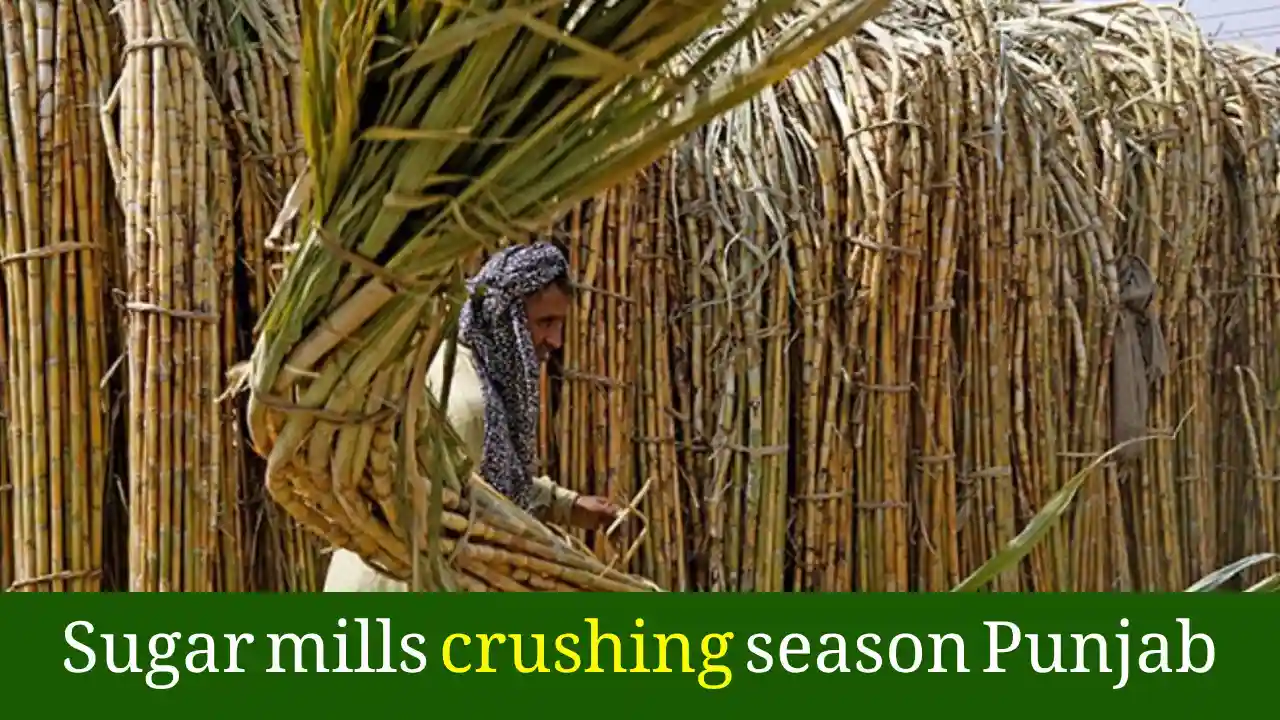
The sugar sector in Pakistan is undergoing one of the biggest policy shifts in decades as the Punjab government forces sugar mills to begin crushing on time, while the federal government moves toward complete deregulation of the industry. This dual pressure — early crushing enforcement in Punjab and a deregulation roadmap in Islamabad — has brought the entire sugar market under sharp national focus.
The latest developments will impact farmers, mill owners, sugar dealers, and consumers equally. With sugar prices already touching record highs earlier this year, the government believes that strict enforcement and policy restructuring are crucial to stabilizing the market.
In this detailed report, we break down the government’s actions, the legal challenges, the proposed reforms, and what the future may look like for Pakistan’s sugar industry.
Punjab Orders Sugar Mills to Start Crushing
The provincial government in Punjab is pushing sugar mills to start crushing early this season. By the weekend, 27 out of 41 mills had resumed operations after being asked to begin crushing by 15 November.
Officials from the Punjab Chief Minister’s office said the early start is essential to:
- Increase sugar supply
- Stabilize market prices
- Prevent artificial shortages
- Ensure timely payment to farmers
The administration has warned mills delaying crushing that strict action will be taken if they fail to comply with the government timeline.

Legal Pushback From Sugar Mills
However, the government drive has hit a major roadblock. The Lahore High Court has issued a stay order, temporarily stopping the government from taking coercive action against a group of sugar mills.
15 members of the Pakistan Sugar Mills Association (PSMA) challenged the Punjab government’s directive, arguing that:
- Ground realities are not being considered
- Mills need more time to prepare
- Delays are due to operational challenges, not unwillingness
A senior PSMA official said that only mills not protected by the stay order are facing pressure, while others are shielded until the next hearing.
The legal battle has created uncertainty, and the government cannot fully enforce its decision until the court resolves the matter.

Federal Government Prepares Complete Deregulation
While Punjab is handling its own enforcement issues, the federal government is preparing a major policy transformation.
A special committee led by Federal Minister Owais Leghari has finalized recommendations for complete deregulation of the sugar industry.
These recommendations will soon be presented to Prime Minister Shehbaz Sharif.
What Deregulation Would Mean
The proposed federal reforms include:
- Ending the import/export quota system
- Allowing free market pricing
- Removing restrictions on setting up new sugar mills
- Letting market forces decide sugar prices
- Ending decades of government control
If approved, this will mark one of the biggest policy shifts since the Sugar Factories Control Act of 1950.

Why the Government Wants Deregulation
The Ministry of Food Security stated that deregulation is necessary because:
- Government controls have failed to stabilize sugar prices
- Excessive regulation has created distortions
- Farmers and consumers are suffering
- Global competition is increasing
- Pakistan needs modern, efficient, private-sector-driven production
Deregulation is expected to:
- Attract investment
- Encourage modern technology
- Promote competitive pricing
- Boost exports
- Support value-added products
- Reduce government intervention

Industry Leaders Welcome Deregulation
Surprisingly, the sugar industry seems largely in favor of deregulation.
PSMA leader Zaka Ashraf called the move:
“A very positive step that will help mills compete internationally and give farmers better returns.”
Other industry leaders agree:
- A veteran mill owner confirmed that several meetings with the government over the last six months have built strong momentum.
- A major CEO said abolishing the Sugar Factories Control Act is long overdue.
- Another sugar dealer noted that while farmers may face challenges initially, the long-term benefits will include higher yields and modern cultivation practices.
How Farmers Will Be Affected
Deregulation means farmers will rely more on market demand rather than government support. This may create challenges such as:
- Price fluctuations
- Uncertainty in early years
- Need for better crop management
However, experts believe that farmers will eventually benefit due to:
- More private investment
- Higher sugarcane demand
- Better quality-based payment systems
- Adoption of technology
- Higher productivity
Impact on Consumers
Consumers may see:
Short Term:
- Possible price fluctuations
- Adjustments in supply management
Long Term:
- More stable pricing
- Better sugar availability
- Lower risk of artificial shortages
Crushing Delays and Market Risks
If mills continue delaying crushing, Pakistan could face:
- Sugar shortages
- Higher retail prices
- Increased pressure on imports
- Unrest among sugarcane farmers
Because sugar is a politically sensitive commodity, Punjab’s enforcement remains crucial.
Will Deregulation Permanently Solve Sugar Issues?
Experts say deregulation is not a magic solution, but it can solve many structural problems if supported by:
- Strong competition laws
- Transparent market practices
- Proper monitoring of exports/imports
- Fair pricing for farmers
Conclusion About Punjab sugar mills crushing 2025:
Punjab’s aggressive push to force mills to begin crushing and the federal government’s plan for full deregulation represent a historic moment for Pakistan’s sugar industry.
The short-term challenges — including legal battles and mill resistance — highlight the complexity of regulating a powerful sector. However, the long-term benefits of deregulation, increased competition, and modern agricultural techniques could reshape Pakistan’s sugar economy.
As the government prepares to finalize these reforms, all eyes remain on the policy changes that could redefine how sugar is produced, priced, and sold across the country.
Read Also: Breaking News: Punjab Announces 12,500 School Teacher Jobs 2025 – Apply Online for STI Program
FAQs – Punjab Sugar Mills & Deregulation Policy
1. Why did Punjab order sugar mills to start crushing early?
The Punjab government instructed mills to begin crushing by 15 November to stabilize sugar supply, prevent shortages, and control rising market prices before the peak season.
2. Why did some sugar mills go to court against the Punjab government?
Fifteen sugar mills filed a petition in the Lahore High Court, arguing that the government order did not consider operational challenges. The court issued a stay order, temporarily stopping action against them.
3. What does full deregulation of the sugar sector mean?
Full deregulation means the government will remove controls on sugar pricing, imports, exports, and the establishment of new mills. Prices will be set by market forces instead of government policies.
4. How will deregulation affect sugar farmers in Pakistan?
Farmers may see short-term challenges due to market adjustments, but long-term benefits include higher yields, better returns, more private investment, and the use of modern farming techniques.
5. Will sugar prices increase after deregulation?
In the short term, prices may fluctuate. However, in the long term, deregulation aims to create a competitive, stable, and transparent market that should help prevent artificial shortages and reduce price manipulation.