
Punjab Makes E-Tag Installation Mandatory for All Vehicles
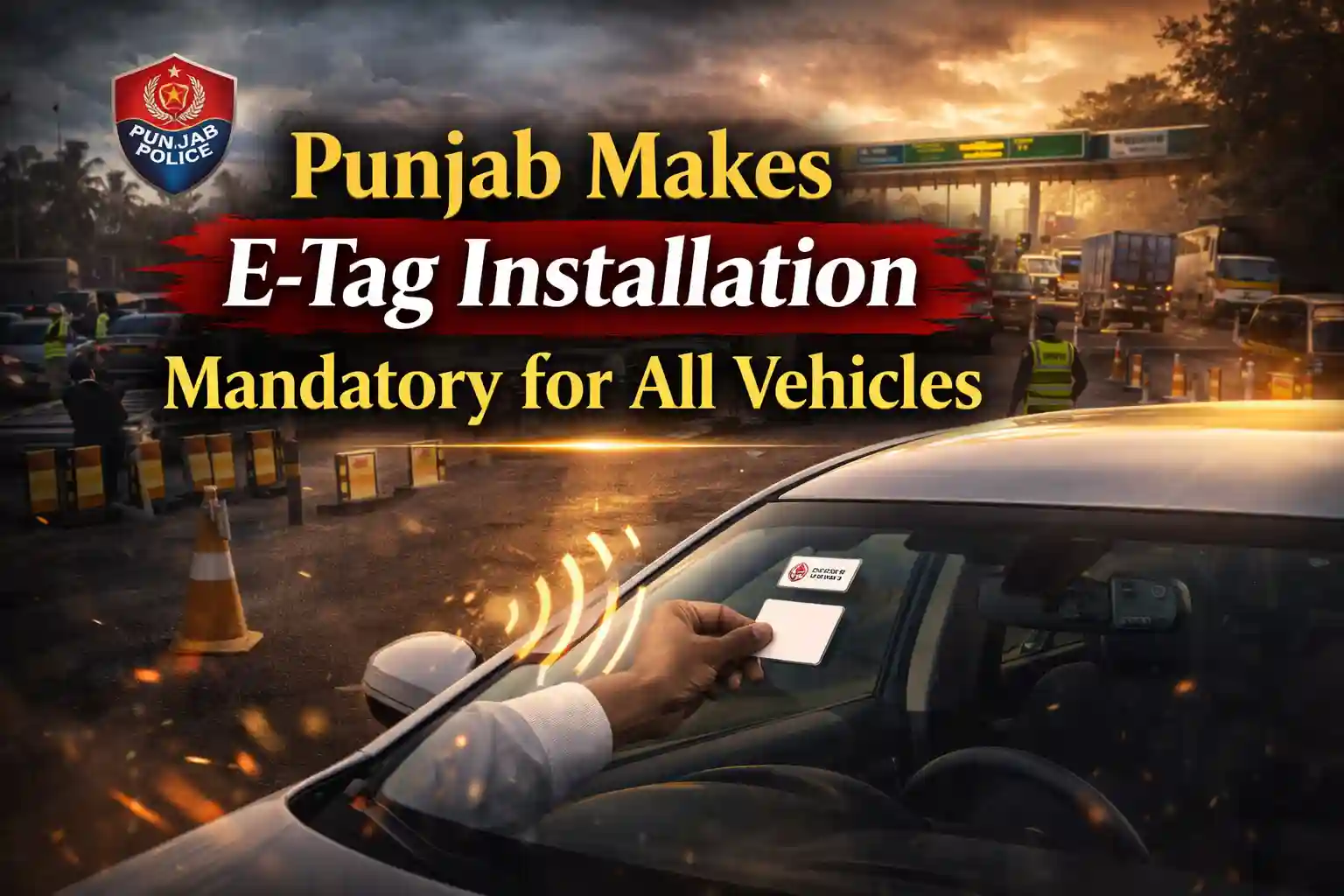
The Government of Punjab has announced a major step toward modernizing the transportation system by making E-Tag installation mandatory for all vehicles in Punjab. This decision is aimed at improving traffic management, reducing congestion at toll plazas, and promoting digital solutions for road infrastructure.
The Punjab E-Tag system will allow vehicles to pass through toll plazas without stopping, making travel faster and more convenient. With the increasing number of vehicles on roads, the government believes that implementing the E-Tag mandatory policy in Punjab will improve efficiency and reduce delays on highways and motorways.
The move is also part of a broader effort to introduce smart transportation systems in Pakistan, where digital technologies are used to streamline travel and road management. Vehicle owners across Punjab will now need to install the E-Tag device in their vehicles to comply with the new regulations.
What Is the E-Tag System in Punjab?
The E-Tag system in Punjab is an electronic toll collection system that uses RFID technology. The E-Tag is a small sticker or device installed on the windshield of a vehicle.
This device communicates with scanners installed at toll plazas. When a vehicle approaches a toll booth, the scanner automatically detects the E-Tag, and the toll amount is deducted from the linked account.
This eliminates the need for drivers to stop, pay cash, or wait in long queues. As a result, the Punjab E-Tag installation policy aims to improve traffic flow and make toll collection more efficient.
Key features of the E-Tag system include:
- Automatic toll payment
- Reduced waiting time at toll plazas
- Digital record of vehicle movement
- Improved traffic management
- Faster travel on highways and motorways
The system is already used in several countries, and Pakistan is gradually expanding its implementation.

Why Punjab Makes E-Tag Installation Mandatory for All Vehicles
The decision to make E-Tag installation mandatory for all vehicles in Punjab is based on several important factors. With increasing traffic on highways and expressways, manual toll collection systems often lead to congestion.
By introducing the mandatory E-Tag policy, the Punjab government aims to achieve the following goals:
Improve Traffic Flow
Long lines at toll plazas slow down traffic and increase travel time. The E-Tag system allows vehicles to pass through dedicated lanes quickly without stopping.
Reduce Fuel Consumption
When vehicles wait in long queues at toll booths, they burn extra fuel. With automatic toll collection through E-Tag, vehicles can move continuously, saving fuel and reducing emissions.
Enhance Digital Infrastructure
The Punjab E-Tag program is part of the government’s push toward digital transformation in transportation and road management.
Increase Transparency
Electronic toll collection systems reduce the risk of human error or financial mismanagement by recording transactions digitally.

Which Vehicles Must Install the E-Tag in Punjab?
Under the new policy where Punjab makes E-Tag installation mandatory for all vehicles, the requirement applies to almost every type of vehicle using highways and toll roads.
Vehicles that must install the Punjab E-Tag include:
- Private cars
- Commercial vehicles
- Buses and coaches
- Trucks and heavy transport vehicles
- Government vehicles
- Ride-hailing vehicles
This ensures that all vehicles passing through toll plazas can use the electronic toll collection system without delays.
Motorists who frequently travel on highways and motorways will benefit the most from the mandatory E-Tag system in Punjab.

How to Install the E-Tag for Vehicles in Punjab
Vehicle owners can install the E-Tag for vehicles in Punjab through several authorized channels. The process is simple and takes only a few minutes.
Step 1: Visit an Authorized E-Tag Center
Drivers can visit designated E-Tag registration centers located at major toll plazas and service points.
Step 2: Provide Vehicle Details
Vehicle owners must provide:
- Vehicle registration number
- CNIC copy
- Mobile phone number
Step 3: Link Payment Account
The E-Tag will be linked to a prepaid or bank account so toll charges can be automatically deducted.
Step 4: Install the E-Tag Device
The staff will install the E-Tag sticker on the windshield of the vehicle.
Once installed, the vehicle can use E-Tag lanes at toll plazas without stopping for manual payment.

Benefits of Mandatory E-Tag Installation in Punjab
The decision that Punjab makes E-Tag installation mandatory for all vehicles brings several advantages for drivers and the transportation system.
Faster Travel
Vehicles can move through toll booths quickly without stopping for cash payments.
Reduced Traffic Congestion
Dedicated E-Tag lanes allow smoother traffic flow, especially during peak travel hours.
Improved Road Management
Authorities can monitor traffic patterns and improve road infrastructure planning.
Better User Experience
Drivers enjoy a more convenient travel experience with automatic toll payments.
Environmental Benefits
Less idling at toll plazas reduces fuel consumption and air pollution.
Possible Penalties for Not Installing E-Tag
With the new regulation that E-Tag installation is mandatory for all vehicles in Punjab, drivers who fail to install the device may face certain restrictions.
Potential consequences may include:
- Extra toll charges
- Restricted access to E-Tag lanes
- Delays at toll booths
- Possible fines in future enforcement phases
Authorities may gradually enforce stricter rules to ensure compliance with the Punjab E-Tag policy.
Future of Digital Toll Systems in Pakistan
The decision that Punjab makes E-Tag installation mandatory for vehicles is part of a larger effort to digitize road infrastructure across Pakistan.
Experts believe that electronic toll systems will soon expand to:
- More highways
- Urban expressways
- Intercity motorways
In the future, digital technologies such as smart traffic monitoring systems and automated vehicle tracking could further improve transportation efficiency.
As Pakistan continues to adopt modern transport technologies, systems like E-Tag will play a crucial role in improving road management.
Public Response to the Mandatory E-Tag Policy
Many motorists have welcomed the decision that Punjab makes E-Tag installation mandatory for all vehicles, as it promises faster travel and fewer delays at toll plazas.
However, some drivers have expressed concerns about awareness and accessibility. Authorities are expected to launch information campaigns to guide vehicle owners on how to install the E-Tag in Punjab.
Overall, the initiative is seen as an important step toward modernizing the transportation network in Punjab.
FAQs About Punjab Makes E-Tag Installation Mandatory for All Vehicles
What is the E-Tag system in Punjab?
The E-Tag system is an electronic toll collection system that allows vehicles to pass toll plazas without stopping. The toll fee is automatically deducted from a linked account.
Is E-Tag mandatory for all vehicles in Punjab?
Yes, according to the new policy, Punjab makes E-Tag installation mandatory for all vehicles using highways and toll roads.
How can I get an E-Tag in Punjab?
Vehicle owners can obtain an E-Tag by visiting authorized registration centers at toll plazas and providing their vehicle details.
What documents are required for E-Tag registration?
Drivers usually need a vehicle registration number, CNIC copy, and mobile number to register for the E-Tag.
What happens if I do not install an E-Tag?
Drivers who do not install an E-Tag may face additional toll charges, longer waiting times, or possible penalties once the policy is fully enforced.
Can E-Tag be used on motorways in Pakistan?
Yes, the E-Tag system is designed for use on major highways and motorways where electronic toll collection is implemented.