PMDC Approves New Code of Ethics With Disability Quota in 2026
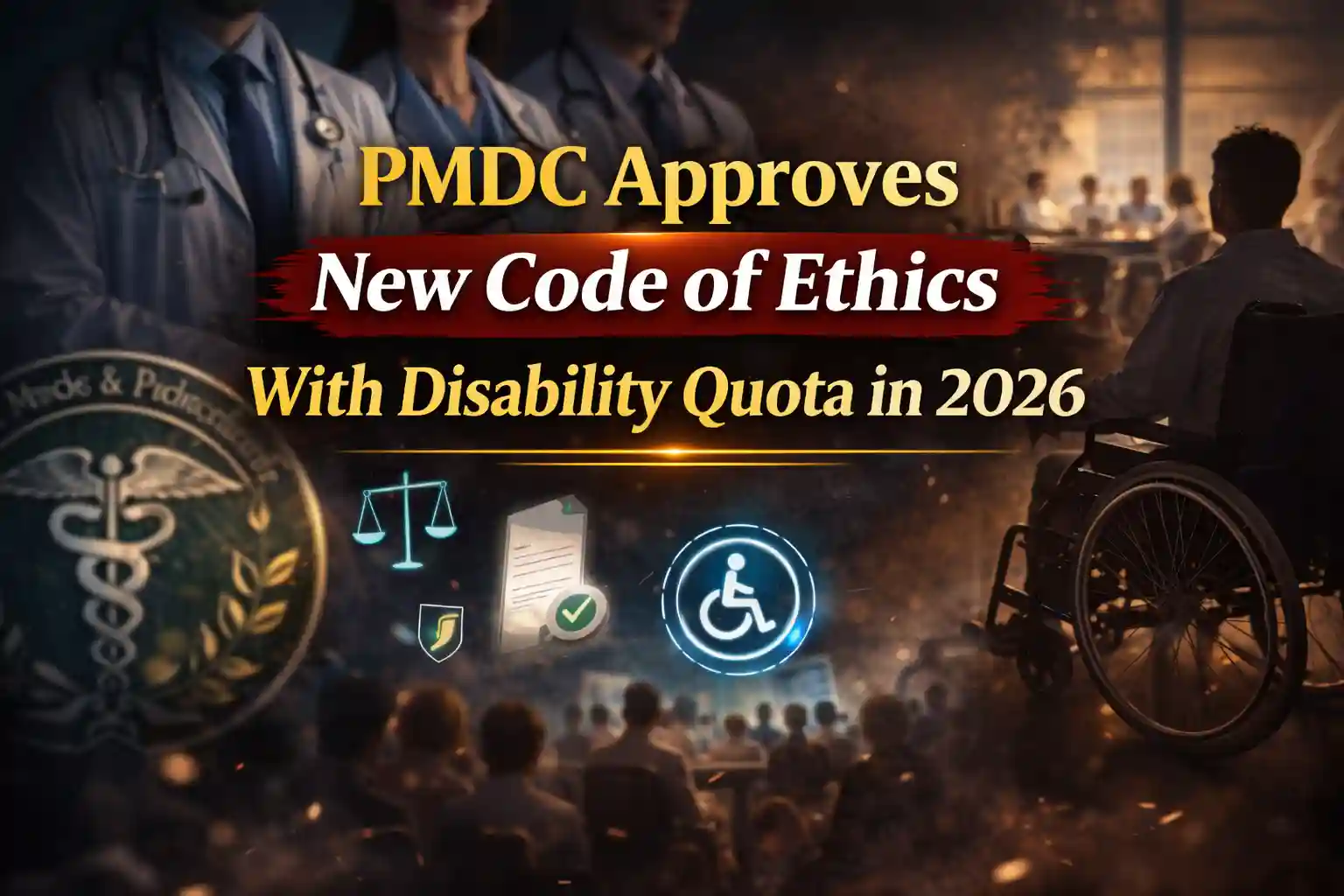
The PMDC Approves New Code of Ethics With Disability Quota in 2026 marks a significant step forward for Pakistan’s medical sector. The Pakistan Medical and Dental Council has introduced a revised ethical framework that not only strengthens professional standards for doctors and dentists but also emphasizes inclusivity through the introduction of a disability quota. This development reflects the council’s commitment to fairness, accountability, and equal opportunity within the healthcare profession.
Medical professionals in Pakistan operate in a system where ethical conduct is critical for patient safety, professional credibility, and public trust. The new policy introduced by PMDC aims to modernize the regulatory structure, address gaps in previous guidelines, and create a more transparent and equitable environment for healthcare professionals. The addition of a disability quota highlights the government’s broader agenda to promote inclusivity and support underrepresented groups in professional sectors.
This article explores the PMDC New Code of Ethics 2026, explains the disability quota policy, highlights its significance for the healthcare community, and discusses how these reforms may shape the future of medical regulation in Pakistan.
PMDC Approves New Code of Ethics With Disability Quota in 2026
The Pakistan Medical and Dental Council (PMDC) has officially approved a new Code of Ethics that will guide the conduct of registered medical and dental practitioners across the country. The updated code introduces modern ethical standards aligned with international medical guidelines and incorporates provisions designed to ensure fairness and inclusivity.
One of the most notable features of the updated framework is the inclusion of a disability quota, which aims to provide equal opportunities to individuals with disabilities within the medical profession. This policy ensures that talented individuals who may face physical challenges are not excluded from participating in Pakistan’s healthcare system.
The revised ethical code also focuses on strengthening professional accountability, improving patient rights, and promoting responsible medical practices.

Key Highlights of the PMDC New Code of Ethics 2026
The newly approved ethical framework includes several important reforms that affect medical practitioners, healthcare institutions, and regulatory authorities.
1. Inclusion of Disability Quota
The introduction of a disability quota ensures that individuals with disabilities receive fair opportunities in the medical profession. This measure reflects the government’s commitment to inclusivity and equal rights for people with disabilities.
The quota policy aims to:
- Provide fair representation in medical education and professional opportunities
- Encourage diversity in the healthcare workforce
- Support capable professionals with disabilities
- Promote equal opportunity in healthcare institutions
This initiative is expected to inspire many students with disabilities to pursue careers in medicine and dentistry.
2. Strengthening Medical Ethics and Professional Conduct
The PMDC Code of Ethics 2026 reinforces the importance of professional behavior among healthcare practitioners. Doctors and dentists are required to follow strict ethical standards when interacting with patients, colleagues, and healthcare institutions.
Key ethical principles include:
- Respect for patient dignity and rights
- Honest medical communication
- Confidential handling of patient information
- Responsible prescription practices
- Avoidance of conflicts of interest
These measures are designed to build stronger trust between patients and healthcare professionals.
3. Protection of Patient Rights
Another important component of the new code is the emphasis on patient rights and safety. Medical practitioners must prioritize patient welfare and ensure that treatment decisions are made based on professional judgment rather than external influence.
The new ethical framework requires doctors to:
- Provide clear information about diagnoses and treatments
- Obtain informed consent before procedures
- Maintain patient confidentiality
- Deliver non-discriminatory healthcare services
By enforcing these rules, PMDC aims to enhance patient confidence in the healthcare system.
4. Accountability and Disciplinary Measures
The revised code introduces stricter accountability mechanisms for doctors and dentists who violate ethical guidelines. PMDC has outlined clear disciplinary procedures to address professional misconduct.
Possible disciplinary actions may include:
- Formal warnings
- Temporary suspension of licenses
- Permanent cancellation of registration in severe cases
These measures are intended to ensure that healthcare professionals maintain the highest standards of responsibility and professionalism.

Importance of Disability Quota in the Medical Profession
The inclusion of a disability quota in the PMDC New Code of Ethics 2026 represents a progressive move toward equality and diversity in Pakistan’s healthcare sector.
Historically, individuals with disabilities have faced barriers in accessing professional education and employment opportunities. By introducing this quota, PMDC acknowledges that physical limitations should not prevent capable individuals from contributing to society.
This policy is expected to:
- Encourage educational institutions to support disabled students
- Increase representation of disabled professionals in healthcare
- Promote awareness about inclusivity in the workplace
- Strengthen social equality within professional sectors
For many aspiring medical students with disabilities, this initiative provides new hope and motivation to pursue their career goals.

Impact of the PMDC Code of Ethics on Healthcare Institutions
The PMDC Approves New Code of Ethics With Disability Quota in 2026 policy will also influence hospitals, medical colleges, and healthcare organizations throughout Pakistan.
Healthcare institutions will be required to:
- Implement inclusive policies for employees with disabilities
- Ensure compliance with ethical guidelines
- Promote professional development for healthcare staff
- Maintain transparent medical practices
Hospitals and educational institutions will play an essential role in ensuring the effective implementation of these reforms.

Alignment With International Medical Standards
The updated PMDC ethical framework reflects global medical standards practiced by regulatory bodies around the world. Many international medical councils emphasize inclusivity, professional responsibility, and patient rights.
By adopting modern ethical principles, PMDC aims to ensure that Pakistan’s healthcare system aligns with international best practices. This will help improve the reputation of Pakistani medical professionals globally and encourage collaboration with international healthcare institutions.
Challenges in Implementing the New Code of Ethics
While the new code represents a major improvement, implementing these reforms across Pakistan’s healthcare system may present certain challenges.
Some possible challenges include:
- Ensuring compliance among all registered practitioners
- Providing infrastructure support for disabled professionals
- Monitoring ethical practices in private healthcare facilities
- Training medical staff about updated regulations
PMDC and relevant authorities will need to develop monitoring mechanisms and awareness campaigns to ensure successful implementation of the new policy.
Future Outlook for Medical Ethics in Pakistan
The PMDC New Code of Ethics 2026 sets the foundation for a more responsible, inclusive, and transparent healthcare system. As medical science continues to evolve, ethical standards must also adapt to address emerging challenges.
Future reforms may focus on:
- Digital healthcare ethics
- Telemedicine regulations
- Advanced patient data protection policies
- Continued support for diversity and inclusion
These initiatives will further strengthen the medical profession and improve healthcare services across Pakistan.
Conclusion
The decision that PMDC Approves New Code of Ethics With Disability Quota in 2026 represents a landmark reform in Pakistan’s healthcare sector. By introducing updated ethical guidelines and promoting inclusivity through a disability quota, the Pakistan Medical and Dental Council has taken an important step toward creating a fair and transparent medical system.
The new policy emphasizes professional responsibility, patient rights, and equal opportunity for all medical professionals. If implemented effectively, these reforms can significantly enhance the quality of healthcare services and strengthen public trust in Pakistan’s medical institutions.