Govt Approves New Funds for Prime Minister Electric Vehicle Scheme PAVE 2025-30
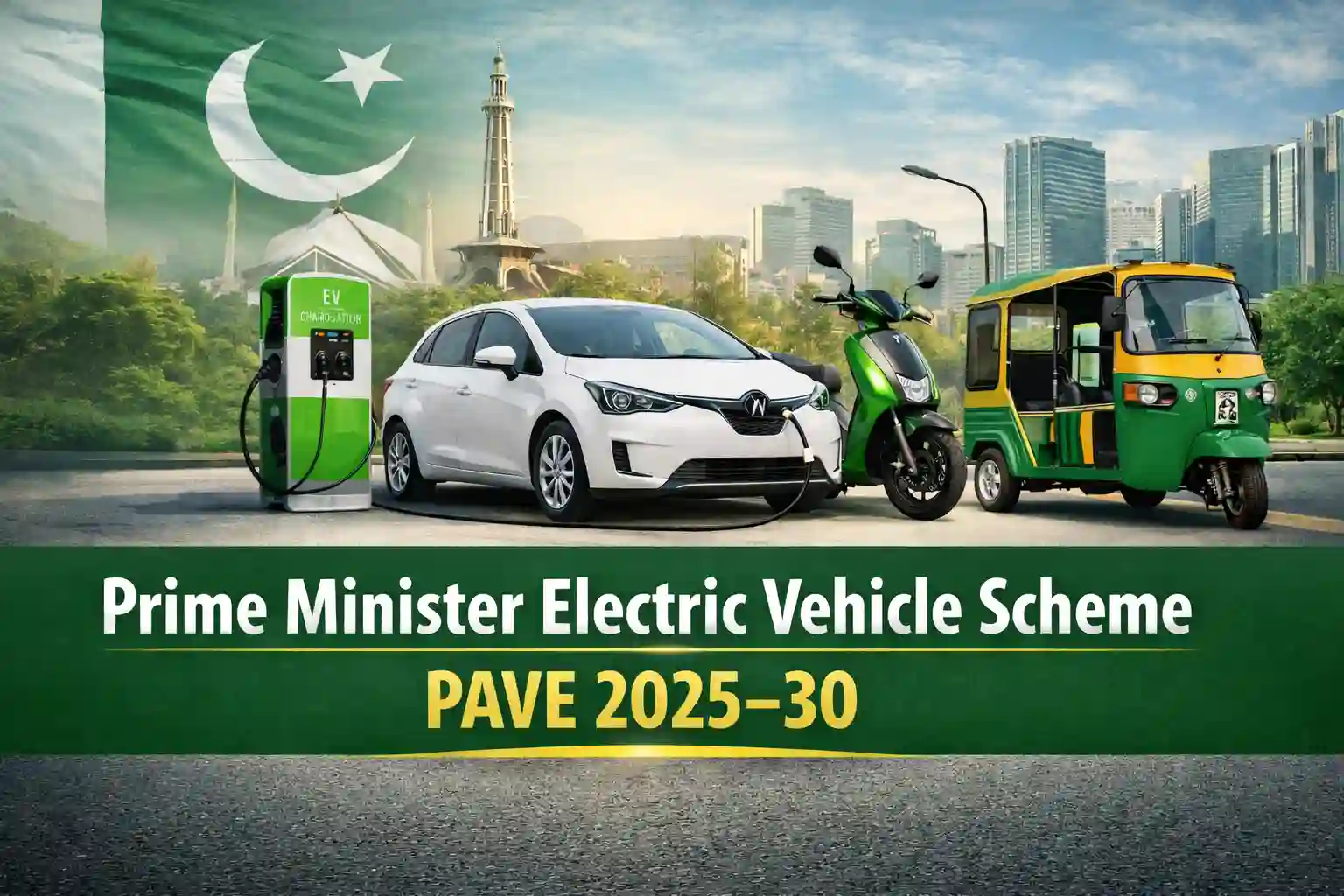
The Government of Pakistan has approved fresh funding for the Prime Minister Electric Vehicle Scheme (PAVE) for the period 2025 to 2030. This decision is being seen as a major step toward affordable electric transport, lower fuel imports, and reduced air pollution across the country.
The new allocation aims to speed up the shift from petrol and diesel vehicles to electric alternatives, especially electric bikes, scooters, rickshaws, and small cars. Officials say the expanded funding will help make EVs more accessible for middle- and lower-income citizens while also supporting local manufacturing.
What Is the Prime Minister Electric Vehicle Scheme (PAVE)?
The Prime Minister Electric Vehicle Scheme, commonly known as PAVE, is a long-term government initiative designed to promote electric mobility in Pakistan. The scheme focuses on:
- Reducing dependence on imported fuel
- Cutting carbon emissions and urban air pollution
- Providing affordable transport options
- Encouraging local EV manufacturing and assembly
Under PAVE 2025–30, the government plans to offer financial incentives, subsidies, and policy support to both consumers and manufacturers.
Why New Funds Were Approved for PAVE 2025–30
The approval of new funds comes at a time when fuel prices remain unstable and air quality in major cities continues to worsen. According to policymakers, electric vehicles are no longer a luxury option but a necessity for Pakistan’s economic and environmental future.
Key reasons behind the new funding include:
- Rising petrol and diesel import bills
- Increasing smog levels in cities like Lahore, Karachi, and Faisalabad
- Growing public demand for low-cost transport solutions
- Success of pilot EV initiatives in recent years
The government believes that sustained funding over five years will ensure continuity and long-term impact rather than short-term relief.

Major Features of PAVE 2025–30
Subsidies on Electric Bikes and Scooters
One of the main components of the scheme is financial support for electric two-wheelers. Electric bikes and scooters are expected to receive priority because they are widely used by students, delivery riders, and daily commuters.
The goal is to make electric bikes cheaper than petrol bikes in monthly running costs, encouraging faster adoption.
Support for Electric Rickshaws and Three-Wheelers
Electric rickshaws are another focus area. These vehicles are a major source of urban pollution. By shifting rickshaw drivers to electric models, the government hopes to reduce emissions while lowering daily fuel expenses for drivers.
Incentives for Electric Cars
Although electric cars are still expensive for most households, PAVE 2025–30 includes measures to gradually increase their adoption. These may include reduced duties, tax incentives, and support for locally assembled models.
Boost for Local EV Manufacturing
A significant portion of the new funding will be used to encourage local manufacturing and assembly of electric vehicles and parts.
Expected benefits include:
- Job creation in the automotive and technology sectors
- Reduced dependence on imported vehicles
- Development of local battery and charging solutions
- Lower prices due to domestic production
Officials have stressed that local industry involvement is key to the long-term success of the EV transition.
Expansion of EV Charging Infrastructure
Without charging stations, EV adoption cannot grow. The updated PAVE plan includes support for expanding charging infrastructure in major cities and along highways.
Planned steps include:
- Public charging stations in urban areas
- Fast chargers on motorways and highways
- Incentives for private companies to install chargers
- Integration of renewable energy where possible
This infrastructure push is expected to reduce range anxiety and increase public confidence in EVs.
Environmental Impact of PAVE 2025–30
The government estimates that large-scale EV adoption can significantly cut carbon emissions over the next decade. Transport is one of the biggest contributors to air pollution in Pakistan.
Environmental goals of the scheme:
- Reduction in greenhouse gas emissions
- Improved urban air quality
- Lower noise pollution
- Contribution to climate commitments
Experts say that even partial replacement of petrol bikes with electric ones can make a noticeable difference in city air quality.
Economic Relief for Citizens
Beyond environmental benefits, PAVE 2025–30 is also being promoted as an economic relief measure.
How citizens may benefit:
- Lower monthly transport costs
- Reduced spending on fuel
- Less maintenance compared to conventional vehicles
- Protection from fuel price hikes
For daily wage earners and small business owners, these savings could be substantial over time.
Challenges and Ground Realities
While the approval of new funds is a positive step, experts warn that implementation will be crucial.
Key challenges include:
- Ensuring transparent distribution of subsidies
- Preventing misuse of incentives
- Maintaining quality standards for EVs
- Managing battery disposal and recycling
Past government schemes have faced delays, and observers say clear timelines and digital monitoring will be essential.
Public Response and Industry Reaction
Initial reactions from the public and EV industry have been largely positive. Many citizens see this as a forward-looking move, while manufacturers welcome policy continuity up to 2030.
Industry representatives say predictable government support allows them to invest confidently in production facilities and research.
What to Expect Next
In the coming months, the government is expected to release detailed guidelines covering:
- Eligibility criteria for subsidies
- Application and verification process
- Vehicle categories covered under PAVE
- Role of banks and financing partners
Once these details are announced, the scheme is likely to gain more traction among consumers.
What is the new energy vehicle policy 2025–30?
The New Energy Vehicle Policy 2025–30 is a government roadmap aimed at promoting electric and alternative energy vehicles across Pakistan. Under this policy, the Government of Pakistan plans to reduce fuel imports, control air pollution, and make transport more affordable for citizens. The policy supports electric bikes, scooters, rickshaws, cars, and charging infrastructure through subsidies, tax incentives, and encouragement of local manufacturing. Its long-term goal is to gradually replace petrol and diesel vehicles with cleaner energy options by 2030.
How to apply for PM EV Scheme?
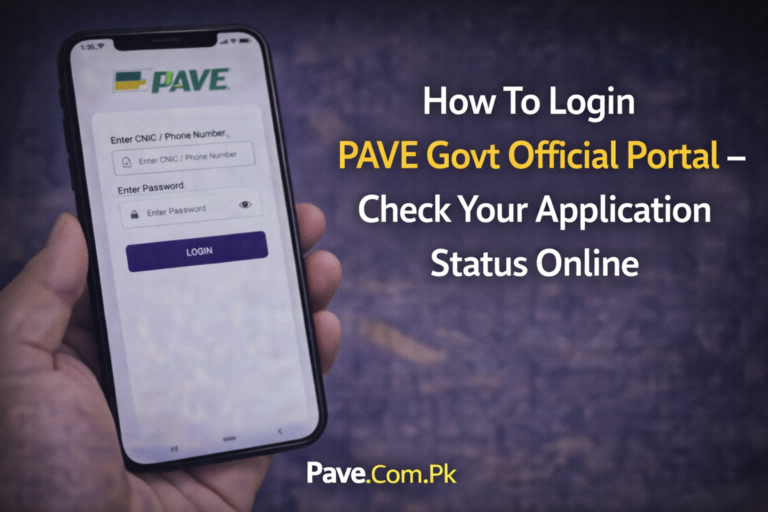
To apply for the Prime Minister Electric Vehicle Scheme, applicants will need to follow an official process announced by the government. Usually, applications are submitted through a dedicated online portal or partner banks once registrations open. Applicants may be required to provide basic personal details, CNIC information, vehicle category selection, and proof of eligibility. After verification, approved applicants can receive subsidies or financial support when purchasing eligible electric vehicles from registered dealers.
How to apply for PAVE Scheme?
Applying for the PAVE scheme is expected to be similar to other federal subsidy programs. Interested citizens will register through the official PAVE platform once it is launched, select the type of electric vehicle they want to purchase, and submit required documents. After digital and manual verification, successful applicants will receive approval linked to a registered EV manufacturer or dealer. The subsidy amount will be adjusted directly in the vehicle price, making electric vehicles more affordable for buyers.
Conclusion – Prime Minister Electric Vehicle Scheme PAVE 2025–30
The approval of new funds for the Prime Minister Electric Vehicle Scheme PAVE 2025–30 marks an important milestone in Pakistan’s journey toward clean and affordable transport. By focusing on electric bikes, rickshaws, local manufacturing, and charging infrastructure, the government is aiming for practical and inclusive EV adoption.
If implemented effectively, PAVE 2025–30 could reduce fuel imports, ease financial pressure on citizens, and improve environmental conditions in major cities. While challenges remain, the long-term vision behind the scheme signals a clear shift toward a greener transport future for Pakistan.
The government has approved fresh funding for the Prime Minister Electric Vehicle Scheme (PAVE) 2025–30 to promote electric bikes, rickshaws, and cars, reduce fuel imports, and support clean transport across Pakistan.