Petrol Price Increase in Pakistan: Rs 20 to Rs 45 Hike Expected in New Weekly Pricing Plan
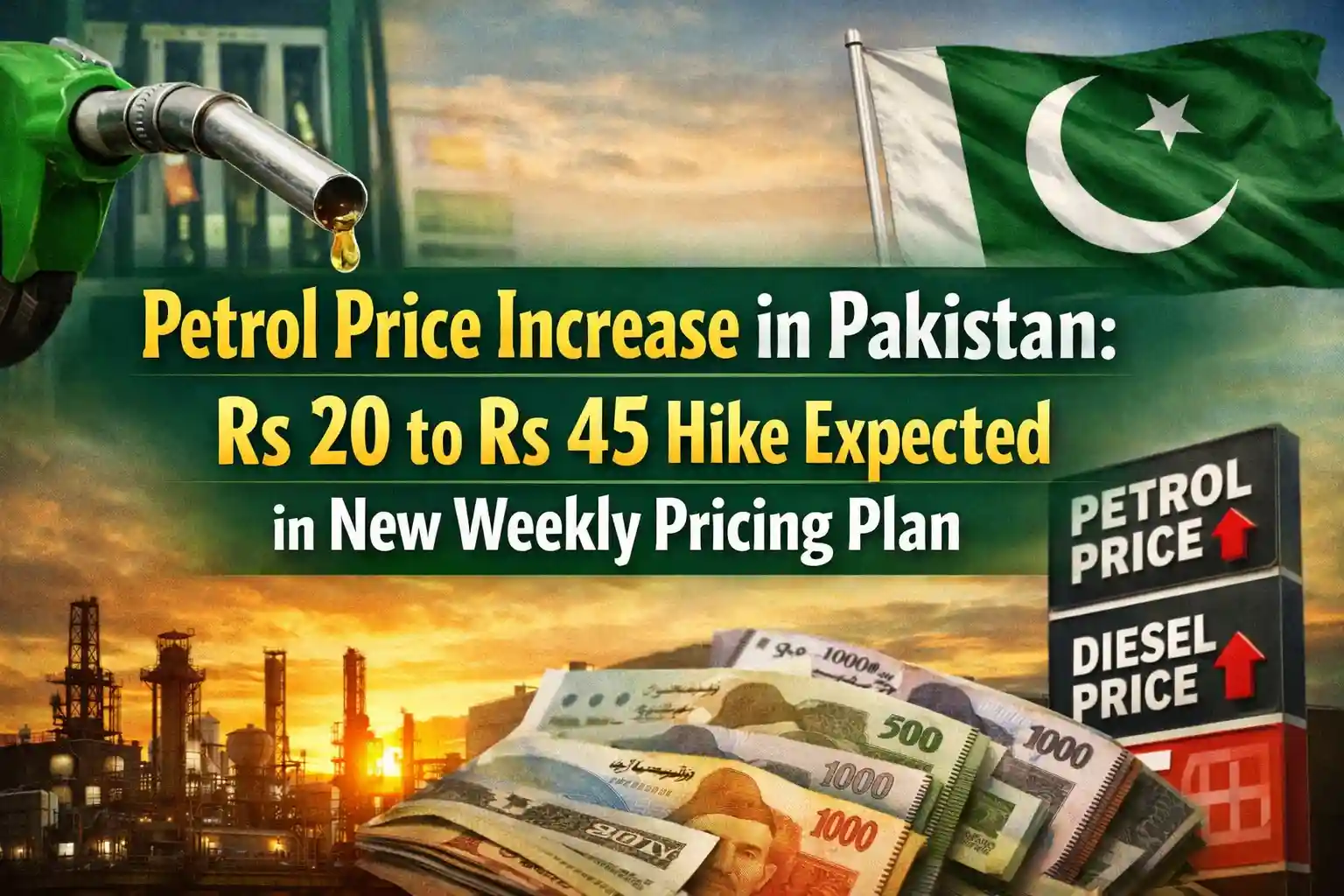
Fuel prices in Pakistan remain one of the most discussed economic issues because petrol directly affects transportation, inflation, and daily living costs. Recent reports suggest that the petrol price in Pakistan may increase by Rs 20 to Rs 45 per litre under the upcoming weekly petroleum pricing plan. If implemented, this adjustment could significantly impact households, businesses, and transportation sectors across the country.
The government revises petroleum prices regularly based on global oil market trends, currency exchange rates, and tax policies. With rising international crude oil prices and pressure on the Pakistani rupee, analysts predict that the next price revision could bring a noticeable hike.
This article explains the expected petrol price increase in Pakistan, reasons behind the price hike, how weekly pricing works, economic impact, and what citizens can expect in the coming weeks.
Expected Petrol Price Increase in Pakistan Under Weekly Pricing Plan
Reports circulating in the energy sector suggest that the upcoming petrol price revision may increase prices between Rs 20 and Rs 45 per litre. The final decision will depend on recommendations from oil regulatory authorities and approval by the federal government.
Currently, petroleum prices are reviewed periodically to reflect international oil market changes. However, authorities are considering a weekly pricing mechanism that allows more frequent adjustments.
If implemented, the weekly pricing plan could cause petrol prices to fluctuate more often depending on global market conditions.
Key expected changes include:
- Petrol price increase between Rs 20 and Rs 45 per litre
- More frequent price adjustments under the weekly pricing system
- Direct linkage between local prices and international crude oil markets
- Possible changes in petroleum levy and taxes
Such changes could impact fuel consumers nationwide, especially motorists and transport operators.

Why Petrol Prices Are Increasing in Pakistan
Several factors contribute to rising fuel prices in Pakistan. The expected petrol price hike is mainly driven by international market conditions and domestic economic factors.
Rising Global Crude Oil Prices
International oil markets play a major role in determining fuel prices in Pakistan. When crude oil prices increase globally, countries that import petroleum products must pay more for fuel.
Recent global market fluctuations have pushed oil prices upward, increasing import costs for Pakistan.
Pakistani Rupee Depreciation
The value of the Pakistani rupee against the US dollar also affects petrol prices. Since crude oil imports are paid in dollars, a weaker rupee increases the cost of purchasing fuel from international markets.
If the rupee continues to face pressure, petroleum prices may continue rising.
Petroleum Levy and Government Taxes
Petrol prices in Pakistan also include government taxes such as:
- Petroleum Development Levy
- General Sales Tax
- Distribution margins
These taxes contribute significantly to the final retail price paid by consumers.
Import Costs and Freight Charges
Transporting crude oil and refined petroleum products to Pakistan also adds additional costs such as:
- Freight charges
- Insurance
- Refining costs
When these costs increase, petrol prices also rise accordingly.

How the Weekly Petrol Pricing Plan Works
The proposed weekly petrol pricing mechanism aims to adjust fuel prices more frequently instead of waiting for longer intervals.
Under this system, the government would revise petrol prices every week based on:
- International crude oil price changes
- Currency exchange rate fluctuations
- Import cost calculations
- Oil marketing company margins
The goal of this system is to ensure that domestic fuel prices reflect real-time global market conditions.
Benefits of Weekly Pricing
Supporters of the weekly pricing model believe it could:
- Reduce sudden large price hikes
- Align local fuel prices with global markets
- Improve transparency in petroleum pricing
However, critics argue that frequent price changes could create uncertainty for consumers and businesses.

Impact of Petrol Price Increase on Pakistan’s Economy
A significant petrol price hike can affect multiple sectors of the economy.
Increase in Transportation Costs
Transportation is one of the biggest consumers of petrol and diesel in Pakistan. When fuel prices increase, transport operators often raise fares.
This can lead to higher costs for:
- Public transport
- Ride-hailing services
- Logistics and cargo companies
Rising Inflation
Fuel prices influence the cost of almost every product because transportation is a key part of supply chains.
When petrol becomes expensive, the prices of goods such as food, clothing, and household items may also increase.
Pressure on Household Budgets
Higher petrol prices can strain household finances, especially for people who rely on motorcycles and cars for daily commuting.
Many families may need to reduce spending in other areas to manage fuel expenses.
Petrol Price Trends in Pakistan Over Recent Years
Petrol prices in Pakistan have experienced significant fluctuations in recent years due to global energy market instability.
Major factors affecting past price changes include:
- Global oil supply disruptions
- Geopolitical tensions
- Currency fluctuations
- Government tax adjustments
In several instances, petrol prices increased sharply when international oil prices surged.
Understanding these trends helps explain why experts expect continued volatility in fuel prices.
Government Measures to Control Fuel Prices
The government sometimes introduces policies to reduce the impact of fuel price increases on citizens.
Possible measures include:
- Adjusting petroleum levy rates
- Subsidizing fuel prices temporarily
- Negotiating better oil import deals
- Improving local refinery capacity
However, such measures depend heavily on fiscal conditions and economic policy priorities.
Tips for Managing Fuel Costs During Price Hikes
As petrol prices increase, consumers can take certain steps to manage fuel expenses more effectively.
Use Fuel Efficient Driving Practices
Driving habits can significantly affect fuel consumption. Maintaining steady speeds and avoiding sudden acceleration can reduce fuel usage.
Maintain Your Vehicle Properly
Regular vehicle maintenance helps improve fuel efficiency. Important steps include:
- Checking tire pressure
- Servicing the engine regularly
- Using recommended engine oil
Consider Carpooling or Public Transport
Sharing rides or using public transportation can help reduce individual fuel costs.
Plan Trips Efficiently
Combining errands into a single trip can minimize fuel consumption and save money.
Future Outlook for Petrol Prices in Pakistan
Energy analysts believe petrol prices may remain volatile due to ongoing changes in global oil markets. The implementation of a weekly pricing system could lead to more frequent but smaller adjustments in fuel prices.
Factors that will influence future petrol prices include:
- Global crude oil market trends
- Exchange rate stability
- Government taxation policies
- Domestic demand for petroleum products
Consumers may need to prepare for continued fluctuations in petrol prices in the coming months.
FAQs Petrol Price Increase in Pakistan
Why are petrol prices increasing in Pakistan?
Petrol prices increase due to rising global crude oil prices, currency depreciation, import costs, and government taxes such as petroleum levy.
How much petrol price increase is expected in Pakistan?
Reports suggest petrol prices may increase between Rs 20 and Rs 45 per litre in the upcoming price revision.
What is the weekly petrol pricing plan?
The weekly pricing plan allows the government to revise petrol prices every week based on international oil prices and currency exchange rates.
How do petrol price increases affect inflation?
Higher fuel prices increase transportation costs, which raises the prices of goods and services across the economy.
Can the government reduce petrol prices?
The government can reduce fuel prices by lowering taxes, offering subsidies, or benefiting from lower global oil prices.