Future of Electric Transport: Will PAVE Expand to Buses and Delivery Vans Next?
PAVE Future Electric Transport Expansion is entering a new era of sustainable mobility. As fuel prices continue to rise, air pollution worsens, and traditional transport systems become increasingly expensive to maintain, the demand for electric vehicles (EVs) has reached an all-time high. In Punjab, the PAVE (Punjab Affordable Vehicle for Everyone) Program has already introduced a major shift by providing electric bikes to students, working professionals, delivery riders, and women. With thousands of applicants benefiting from affordable EV installments and low-maintenance electric bikes, a new and important question is emerging:
Will PAVE now expand into electric buses, electric delivery vans, and wider EV commercial transport in the future?
This detailed article explores the future of electric transport under PAVE, expected expansions, policy directions, possible models, global EV trends, and economic impacts. It also reviews whether Punjab is preparing for a broader EV ecosystem that can support buses, vans, cargo vehicles, and large-scale urban mobility solutions.
Understanding the PAVE Program and Its Current Focus
The PAVE initiative was launched with one core aim:
to provide affordable electric mobility solutions for everyday citizens.
So far, the program has focused on:
- Electric bikes (E-bikes)
- Electric scooters
- Easy installments for students and working individuals
- Clean mobility to reduce fuel consumption
- Reducing pollution in Punjab’s largest cities
- Promoting low-cost daily transport for youth and workers
The success of the E-bike scheme has sparked public curiosity about whether the same model can be applied to:
- Electric buses
- Delivery vans
- Cargo bikes
- Commercial transport
- Ride-hailing fleets
- University and office shuttle EVs
With Pakistan moving toward green mobility, expanding the PAVE program into these categories is not only possible but strategically beneficial.

Future of Electric Transport Under PAVE: What Expansion Is Expected?
Based on current trends, policy signals, and global EV transitions, transportation experts anticipate that PAVE may gradually expand into new EV segments, especially in the next few years. Below are the most likely future categories.
1. Electric Buses Under PAVE: A Major Step Toward Clean Public Transport
Introducing electric buses (E-buses) under PAVE would significantly reduce environmental pollution and urban fuel dependency.
Why Electric Buses Make Sense:
- Public transport consumes massive fuel and contributes heavily to air pollution.
- Punjab needs eco-friendly mass transit options for Lahore, Multan, Rawalpindi, and Faisalabad.
- Electric buses lower operational cost, reduce noise pollution, and cut carbon emissions.
Possible Models for E-Bus Expansion:
- Government-owned electric bus routes
- Public–private partnerships with bus companies
- Subsidized loans for private operators
- University and women-only electric shuttle buses
- Smart bus charging hubs near metro routes
If PAVE expands, electric buses are expected to be among the earliest large-scale EV categories.
2. Electric Delivery Vans: The Next Big Opportunity for Logistics
Pakistan’s e-commerce, courier, and delivery sectors are growing rapidly. Companies like:
- Daraz
- Bykea
- Foodpanda
- Rider Logistics
- TCS
- Leopard Courier
are already exploring electric mobility to cut delivery costs.
Why Electric Delivery Vans Are Essential:
- 60% of online orders are delivered using vans and motorbikes.
- Fuel is the biggest expense for delivery companies.
- EV vans save up to 70% on fuel and maintenance.
- Zero pollution and noise make them ideal for urban deliveries.
Expected PAVE Expansion:
If the government wants to reduce fuel costs and support green business operations, PAVE could introduce:
- Subsidized electric cargo vans
- Leasing options for delivery companies
- EV vans for women-led businesses
- Financing plans for gig-workers and riders
Delivery vans are one of the strongest candidates for PAVE expansion.
3. Electric Cargo Bikes and Small Commercial EVs
Electric cargo bikes are popular in Europe and China. They are used for small business deliveries such as:
- Grocery supply
- Food deliveries
- E-commerce packages
- Household items
- Milk, bakery, and tiffin services
In Pakistan, these cargo bikes can greatly reduce delivery costs for freelancers and small businesses.
Why Cargo EVs Fit PAVE’s Mission:
- Low cost
- Low maintenance
- Eco-friendly
- Perfect for urban business deliveries
- Easy charging and long battery life
Punjab may introduce small commercial EVs for home-based workers, micro-entrepreneurs, and delivery startups.
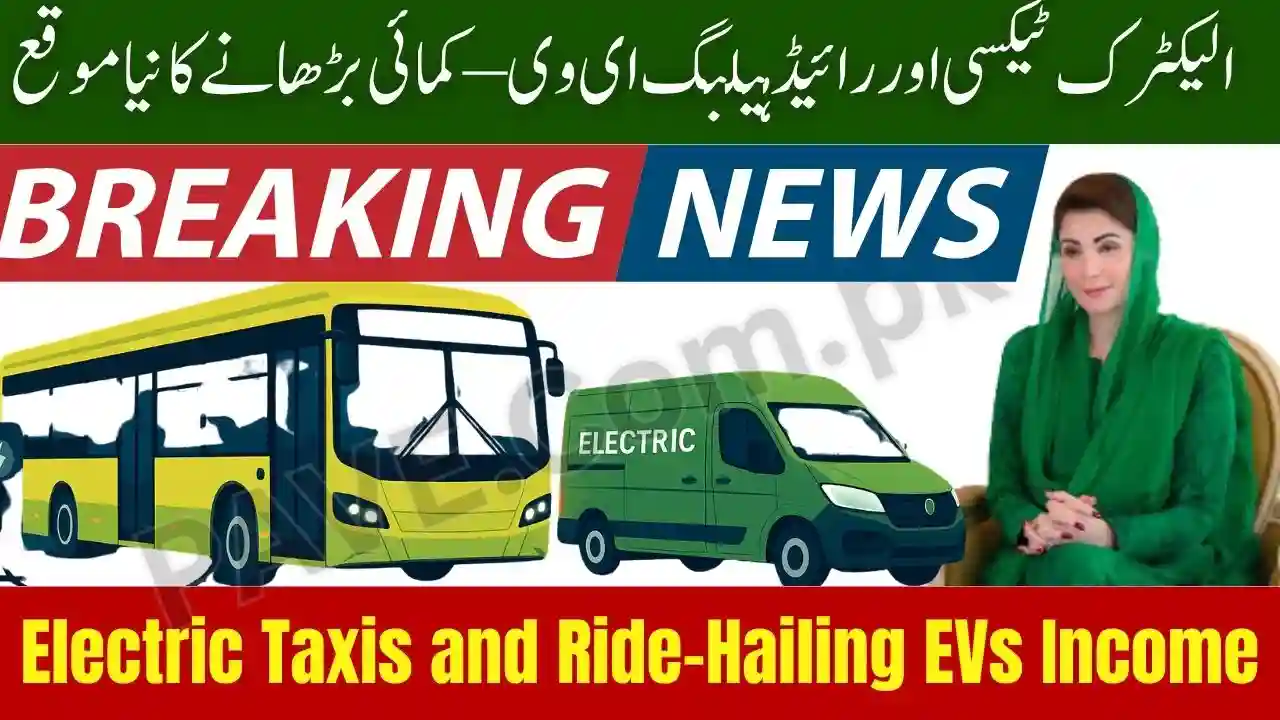
4. Electric Taxis and Ride-Hailing EV Vehicles
With companies like Careem, Uber, and InDrive expanding, the demand for EV taxis is increasing. Petrol-based ride-hailing drivers spend more than 40% of their income on fuel.
Potential PAVE Model:
- Installment-based EV taxis
- Women-only EV taxis
- EV fleets for universities or hospitals
- Subsidized EV taxis for gig-driver financing
This segment is highly likely to grow under PAVE because it directly supports income generation.
5. Electric Rickshaws and Small Passenger EVs
Electric rickshaws provide cheap and clean transport for short routes. Many Asian countries have already shifted to E-rickshaws.
Why Punjab Might Add E-Rickshaws:
- Affordable
- Popular among low-income families
- Minimal maintenance
- No fuel cost
- Better urban air quality
If added under PAVE, rickshaw drivers could receive low-priced electric alternatives instead of costly petrol vehicles.

Government Signals and Policy Directions Supporting EV Expansion
The Punjab Government has publicly expressed interest in:
- Developing a complete EV ecosystem
- Setting up charging stations across districts
- Providing EV financing for youth and workers
- Partnering with private EV companies
Punjab’s transport and environment policies already highlight:
- Reduction of fuel dependency
- Promotion of electric mass transit
- EV adoption for commercial fleets
The government is also integrating EV infrastructure into long-term climate strategies, making commercial EV expansion more feasible.

Challenges Before PAVE Can Expand to Buses and Vans
Although expansion is likely, several challenges must be addressed.
1. High Initial Cost
Electric buses and vans require:
- Advanced batteries
- Fast charging infrastructure
- Dedicated maintenance systems
These costs are higher than bikes.
2. Charging Infrastructure
Punjab needs:
- Public fast chargers
- Mobile charging units
- Dedicated EV hubs for heavy vehicles
3. Import Dependency
Pakistan currently imports EV components. Local assembly and manufacturing must increase.
4. Policy Continuity
Large EV projects need stable long-term policy support and financing.
5. Battery and Lifespan Management
Battery recycling, replacement cost, and safety systems need proper planning.
Despite these challenges, the government is working on:
- Expanding EV chargers
- Encouraging local manufacturing
- Attracting EV investments
Economic Impact: How PAVE Expansion Can Benefit Pakistan
If PAVE expands into buses, vans, and commercial EVs, Pakistan will benefit in several major ways.
1. Fuel Import Reduction
Pakistan spends billions on petroleum imports annually. EV transport will reduce this burden.
2. Job Creation
EV expansion will create jobs in:
- Battery technology
- EV servicing
- Charging station management
- Local EV assembly
3. Cleaner Cities
Electric buses and vans will reduce:
- Smog
- Noise pollution
- Traffic emissions
4. Cheaper Transport for Businesses
Delivery companies, small businesses, and riders will save heavily on fuel and maintenance.
5. Boost to Digital and Gig Economy
Freelancers and delivery riders will benefit from lower transport costs and higher income.
Global Inspiration: Countries PAVE Can Learn From
Pakistan is not alone in the transition. Several countries have successfully introduced EV buses and delivery vans:
China
- World’s largest electric bus fleet
- EV vans widely used for cargo
- Strong battery manufacturing sector
India
- Electric buses in multiple states
- Subsidy programs for EV cargo vehicles
UAE
- EV taxis and public buses expanding rapidly
- Smart charging infrastructure
Europe
- Cargo bikes dominate urban logistics
- Strict emission laws promote EV adoption
Punjab can use these models to build its own EV roadmap.
Will PAVE Expand to Buses and Delivery Vans? Final Analysis
Based on:
- Government policies
- Climate goals
- Growth of EV infrastructure
- Rising fuel costs
- Success of the E-bike scheme
It is highly likely that PAVE will expand to electric commercial vehicles in stages.
Most Likely Future Priority List:
- Electric Delivery Vans
- Electric Cargo Bikes
- Electric Rickshaws
- Electric Taxis
- Electric Buses
- Commercial Shuttle EVs
The transition will be gradual but strategic. Punjab is preparing for an EV ecosystem that will eventually cover both personal and commercial electric transport.
FAQs – Future of PAVE and Electric Transport Expansion:
Q1: Will PAVE introduce electric buses in the future?
Yes. Based on policy directions, PAVE is expected to support electric buses through public–private partnerships and urban mass transit planning.
Q2: Are electric delivery vans expected under PAVE?
Yes. Delivery vans are one of the strongest candidates for future expansion due to the growth of e-commerce and rising fuel costs.
Q3: Can gig-workers and riders get commercial EVs under PAVE?
Most likely. The government is studying models to finance EVs for freelancers, riders, and delivery staff.
Q4: Will charging stations increase for commercial EVs?
Yes. Punjab is working on expanding EV charging hubs, fast chargers, and district-level charging points.
Q5: Are electric rickshaws part of the upcoming plan?
They are under consideration because of their low cost, high usage, and strong environmental benefits.
Q6: What challenges could delay PAVE expansion?
High vehicle costs, charging infrastructure gaps, battery management, and import dependency.
Q7: When will the PAVE commercial EV phase start?
No official date yet, but early pilots may begin once the E-bike rollout stabilizes.