
Pakistan Set for Major JF-17 Export Deal with Somalia
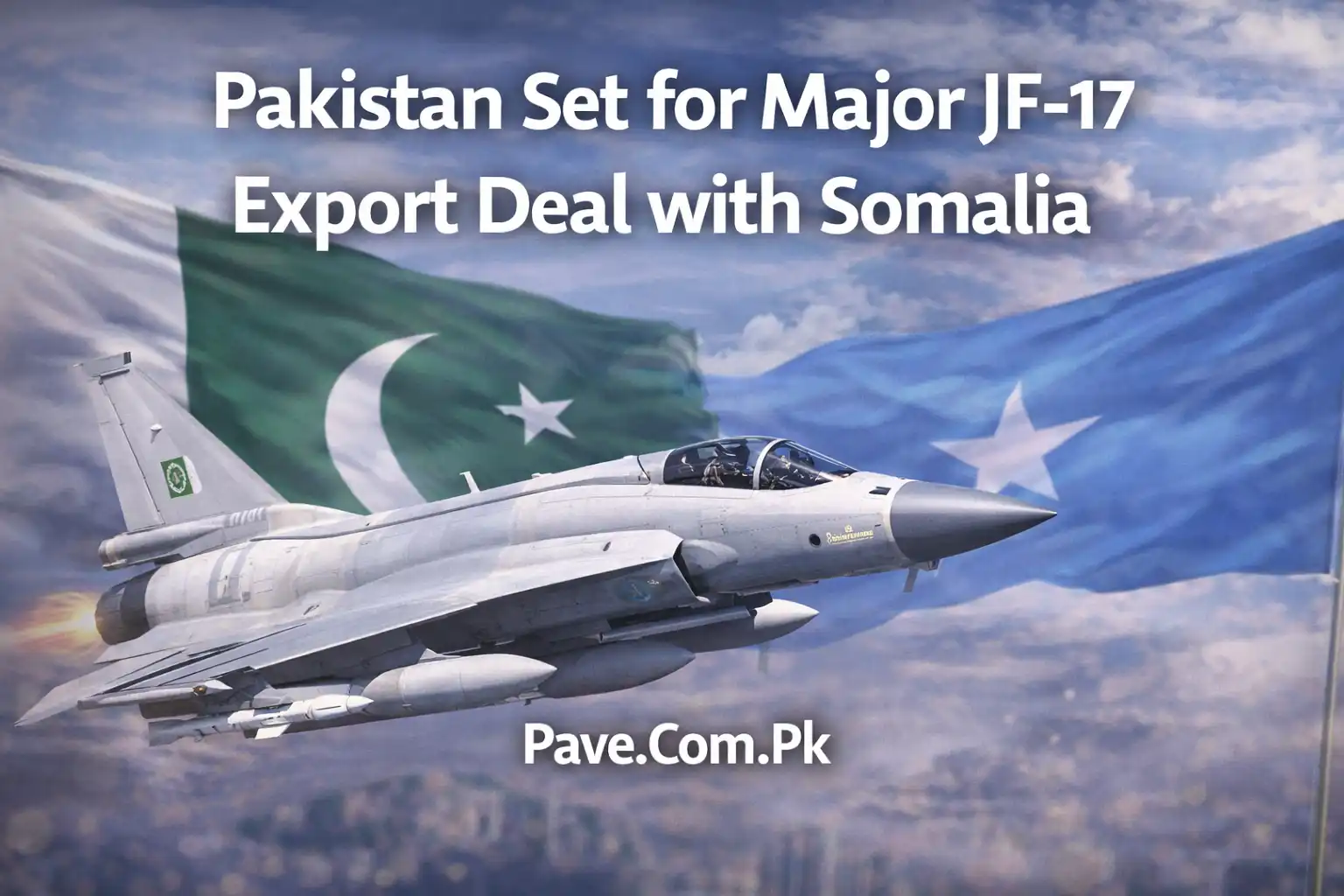
An important development in international defence cooperation has emerged as Somalia enters talks with Pakistan to acquire up to 24 JF-17 Thunder Block III fighter jets. If finalized, this deal could mark Somalia’s most significant military modernization effort since 1991.
Many people are searching online for:
- Somalia JF-17 deal 2026
- Pakistan JF-17 export news
- JF-17 Thunder Block III price
- Somalia air force rebuild
- Pakistan defence exports 2026
- JF-17 fighter jet capabilities
In this detailed article, we explain the background of the deal, aircraft features, financial value, strategic implications, and what this means for both Somalia and Pakistan.
Somalia in Talks With Pakistan for JF-17 Thunder
Somalia is reportedly in discussions with Pakistan to purchase up to 24 JF-17 Thunder Block III fighter jets.
The discussions gained momentum after Somali Air Force Commander Mohamud Sheikh Ali visited Islamabad in February 2026.
If the agreement is finalized, it would:
- Restore Somalia’s fixed-wing combat capability
- Strengthen national airspace protection
- Reduce reliance on foreign military support
- Modernize Somalia’s defence structure

What is the JF-17 Thunder Block III?
JF-17 Thunder is a multi-role combat aircraft jointly developed by Pakistan and China.
The Block III version is the most advanced variant and includes:
- Advanced AESA radar
- Modern avionics system
- Beyond Visual Range (BVR) missile capability
- Electronic warfare suite
- Improved cockpit display
The aircraft is designed to perform:
- Air-to-air combat
- Air-to-ground strikes
- Maritime patrol
- Precision targeting missions

Why Somalia Needs Fighter Jets
Since the collapse of its central government in the early 1990s, Somalia has lacked a functional fixed-wing combat fleet.
For decades, the country relied on:
- Limited aerial assets
- External military support
- International peacekeeping forces
The acquisition of JF-17 jets would help Somalia:
- Protect its airspace
- Secure coastline in the Horn of Africa
- Counter insurgent threats
- Strengthen national sovereignty

Estimated Value of the Deal
According to Pakistan’s Defence Production Minister Raza Hayat Harraj, the JF-17 offers a cost-effective solution compared to Western aircraft.
Estimated Cost Per Unit:
- $30 million to $40 million
If Somalia purchases 24 jets, the deal could be worth around:
💰 $900 million
This would be Somalia’s largest defence purchase in decades.

Why JF-17 is Attractive to Developing Nations
The JF-17 Thunder is considered appealing for several reasons:
1️⃣ Cost Effectiveness
Western fighter jets can cost three times more.
2️⃣ Complete Package
The deal includes:
- Aircraft
- Training
- Spare parts
- Weapons integration
- Technical support
3️⃣ Fewer Political Conditions
Some Western defence deals come with strict political conditions. The JF-17 is seen as a flexible alternative.
Strategic Importance for Pakistan
For Pakistan, this potential deal highlights growing defence exports.
Pakistan has been expanding its defence export market, especially in:
- Africa
- Middle East
- Southeast Asia
The JF-17 is one of Pakistan’s flagship export products.
Successful deals strengthen:
- Defence diplomacy
- International partnerships
- Economic gains
- Strategic influence
Impact on the Horn of Africa
Horn of Africa is a strategically important area due to:
- Maritime trade routes
- Proximity to Red Sea
- Security challenges
If Somalia strengthens its air force, it may:
- Improve coastal monitoring
- Enhance anti-piracy operations
- Increase regional military balance
Military Modernization Trends in Africa
Several African countries are upgrading their air forces due to:
- Rising security challenges
- Border control needs
- Counterterrorism efforts
- Maritime security concerns
Somalia’s potential JF-17 acquisition aligns with this broader modernization trend.
What Happens Next?
The deal is still under discussion. Before finalization:
- Technical evaluations must be completed
- Financing arrangements need confirmation
- Government approvals required
If signed, delivery could begin within a few years depending on production schedules.
Challenges Somalia May Face
Despite its ambitions, Somalia must consider:
- Budget constraints
- Maintenance infrastructure
- Pilot training requirements
- Long-term operational costs
Operating advanced fighter jets requires:
- Skilled technicians
- Spare parts logistics
- Airbase upgrades
What Experts Are Saying
An Islamabad-based defence analyst noted that the JF-17 package is particularly attractive for countries seeking affordable modernization.
The inclusion of:
- Training programs
- Integrated weapons systems
- Technical support
makes it a complete solution rather than just aircraft purchase.
How This Strengthens Pakistan-Somalia Relations
If completed, the deal could:
- Strengthen diplomatic ties
- Expand military cooperation
- Increase defence training exchanges
- Boost trade relations
Defence partnerships often lead to broader economic cooperation.
Conclusion
Somalia’s talks with Pakistan to acquire 24 JF-17 Thunder Block III fighter jets represent a significant development in defence cooperation. For Somalia, the deal could restore independent air combat capability for the first time in decades. For Pakistan, it signals growing strength in the global defence export market.
If finalized, this agreement could reshape regional military dynamics in the Horn of Africa while strengthening Pakistan’s role as a defence exporter.
The coming months will determine whether this historic defence deal becomes a reality.