
Pakistan Launches Project to Convert Banana Waste into Eco-Friendly Textile Fiber
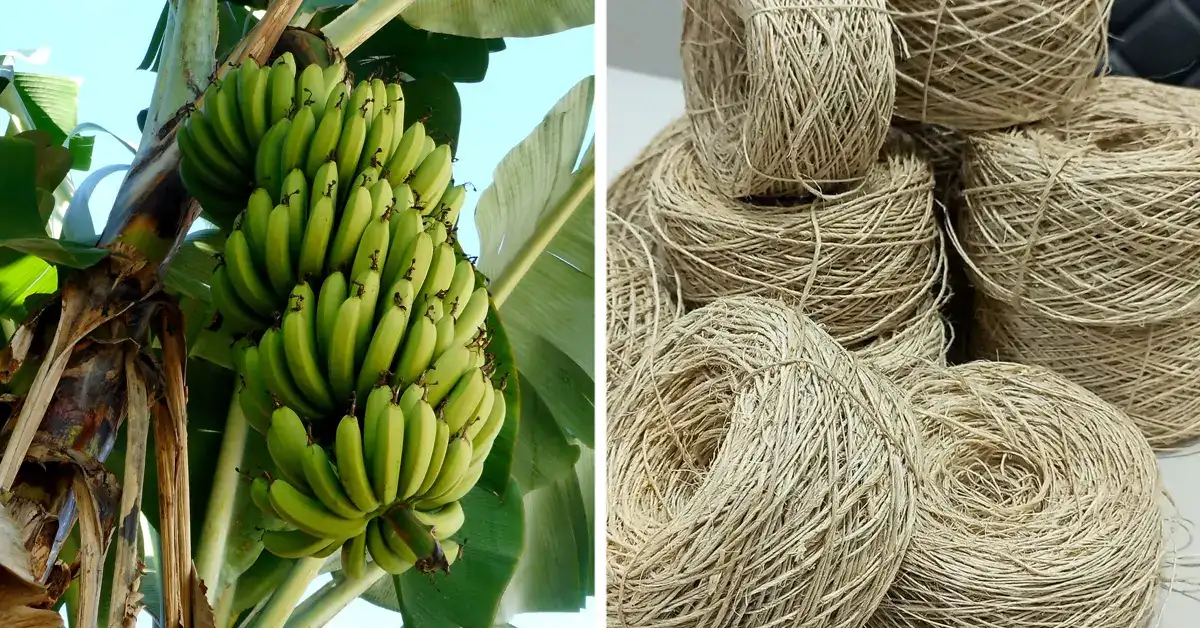
Pakistan has taken an important step toward sustainable development and innovation by launching a new project that converts banana waste into eco-friendly textile fiber. The initiative aims to reduce agricultural waste while creating new economic opportunities in the country’s textile sector.
The project has been introduced by the Small and Medium Enterprises Development Authority (SMEDA) in collaboration with the Food and Agriculture Organization (FAO) and several national and international partners.
Officials say the initiative will support climate-friendly production, circular economy practices, and sustainable textile manufacturing in Pakistan.

The project was officially introduced during a workshop titled “Bananas in Pakistan’s Bio-economy: Transforming Waste into Textile”, held alongside the Made in Pakistan SME Cluster Showcase Expo 2026.
This initiative has attracted attention in agriculture, environmental sustainability, and textile industries across Pakistan.
Turning Banana Waste into Valuable Textile Fiber
Banana farming produces a large amount of agricultural waste, particularly from banana stems and leaves after fruit harvesting.
Traditionally, this waste is either:
- Burned by farmers
- Left to decay in fields
- Disposed of without economic benefit
However, modern textile technology makes it possible to extract banana fiber from these agricultural residues.
Banana fiber can be processed into:
- Textile fabrics
- Handicrafts
- Bags and accessories
- Rope and packaging materials
The new project aims to use this waste as a valuable raw material for Pakistan’s textile industry.
Role of SMEDA in the Project
The Small and Medium Enterprises Development Authority will act as the lead executing partner for this project.
SMEDA will work closely with several organizations, including:
- Food and Agriculture Organization
- Ministry of Climate Change and Environmental Coordination
- National Textile University
- Government departments of Sindh
These institutions will collaborate to build an integrated system for converting banana waste into high-value textile fiber.
Project Duration and Objectives
The initiative is planned to run for five years from 2026 to 2031.
The main objectives include:
- Promoting sustainable agriculture practices
- Reducing environmental pollution caused by crop residue
- Creating new economic opportunities for farmers and entrepreneurs
- Supporting Pakistan’s textile export industry
The program also aims to introduce circular economy models in agriculture and manufacturing sectors.
Circular Economy and Sustainable Textile Production
The concept of a circular economy focuses on minimizing waste and maximizing resource efficiency.
Instead of discarding agricultural byproducts, they can be reused to create new products.
This banana fiber initiative demonstrates how agricultural waste can be transformed into valuable industrial materials.
Benefits of this approach include:
- Reduced environmental pollution
- Lower dependence on traditional textile resources
- Increased income for farmers
- Sustainable manufacturing processes
Pakistan’s textile sector, which is the country’s largest export industry, could benefit significantly from this innovation.
Pakistan’s Banana Cultivation and Agricultural Waste
Pakistan grows bananas on a large scale, especially in Sindh.
According to agricultural estimates:
- Bananas are cultivated on more than 40,000 hectares of farmland.
- Large quantities of banana plant residue are produced each year.
Currently, much of this residue is wasted or burned, contributing to air pollution and greenhouse gas emissions.
By converting this waste into fiber, Pakistan can reduce environmental damage while generating additional income.
Economic Opportunities for Farmers and Women
One of the most important aspects of the project is its social impact.
The initiative aims to involve:
- 40,000 women
- Young students
- Local entrepreneurs
Training programs will help them learn how to extract banana fiber and produce related products.
These products may include:
- Handmade textiles
- Eco-friendly bags
- Decorative handicrafts
- Sustainable packaging materials
Such initiatives can empower women in rural areas and create new small business opportunities.
Environmental Benefits of Banana Fiber
Banana fiber is considered a sustainable textile material because it is biodegradable and environmentally friendly.
Key environmental benefits include:
Reduced Agricultural Waste
Instead of burning crop residue, farmers can use it as raw material for fiber production.
Lower Pollution
Banana fiber production generates less pollution compared to synthetic fibers.
Eco-Friendly Textile Alternative
The fiber can replace environmentally harmful materials used in fashion and manufacturing.
These advantages align with global trends toward sustainable fashion and eco-friendly textiles.
Global Interest in Sustainable Textile Materials
Around the world, textile manufacturers are exploring new eco-friendly materials.
Examples include:
- Bamboo fiber
- Hemp fiber
- Pineapple fiber
- Banana fiber
These materials reduce dependence on conventional cotton and synthetic fabrics.
Pakistan’s new initiative places the country among nations exploring sustainable textile innovation.
Role of FAO in the Initiative
The Food and Agriculture Organization is supporting the project as part of its broader environmental programs.
The initiative is part of the Elimination of Hazardous Chemicals from Supply Chains Integrated Program, which aims to improve sustainability in agriculture and industry.
The program is funded by the Global Environment Facility (GEF) and is implemented across several countries.
FAO officials emphasize that Pakistan faces serious environmental challenges, including:
- Climate change
- Agricultural emissions
- Soil degradation
Using agricultural waste for textile production can help address these issues.
Support from the Ministry of Climate Change
The Ministry of Climate Change and Environmental Coordination has also expressed strong support for the project.
Officials believe the initiative aligns with Pakistan’s efforts to:
- Promote sustainable industry
- Reduce pollution
- Encourage environmentally responsible production
The ministry views this project as an example of how green innovation can support economic growth.
Contribution of National Textile University
The National Textile University is involved in research and technical development for the project.
Experts from the university will help:
- Develop banana fiber extraction techniques
- Improve textile manufacturing processes
- Train industry professionals
This collaboration ensures that scientific knowledge supports practical implementation.
Challenges Facing the Banana Fiber Industry
Although the initiative has great potential, several challenges remain.
Limited Financing
Small entrepreneurs may need financial support to establish banana fiber processing units.
Regulatory Gaps
Policies must be developed to support the emerging industry.
Value Chain Development
Efficient supply chains are required to connect farmers, processors, and textile manufacturers.
Technical Training
Workers need training in fiber extraction and textile production techniques.
Addressing these challenges will be critical to the success of the project.
Potential Impact on Pakistan’s Textile Industry
Pakistan’s textile industry is one of the largest in the world and contributes significantly to exports.
Introducing banana fiber could:
- Diversify textile raw materials
- Reduce reliance on imported cotton
- Create eco-friendly export products
This innovation may also help Pakistan compete in the growing global market for sustainable textiles.
Public Response and Industry Interest
The project has received positive reactions from:
- Environmental experts
- Textile manufacturers
- Agricultural researchers
Many people believe it represents a major step toward sustainable industrial development in Pakistan.
Entrepreneurs are particularly interested in exploring banana fiber production as a new business opportunity.
Future of Bio-Economy Projects in Pakistan
Experts say this initiative could inspire more bio-economy projects in Pakistan.
Future possibilities include converting other agricultural waste into useful products, such as:
- Rice husk fiber
- Wheat straw packaging materials
- Corn waste bio-plastics
Such innovations can support both environmental protection and economic growth.
Conclusion
Pakistan’s new initiative to convert banana waste into eco-friendly textile fiber represents an important step toward sustainable development.
By transforming agricultural waste into valuable textile materials, the project promotes:
- Environmental protection
- Economic growth
- Rural employment
- Innovation in the textile industry
With support from organizations such as the Small and Medium Enterprises Development Authority and the Food and Agriculture Organization, the initiative has the potential to reshape how agricultural waste is used in Pakistan.
If successfully implemented, this project could become a model for sustainable bio-economy solutions in developing countries.