Senate Panel Asks SBP to Scrap Mandatory Abaya Rule for Female Bank Employees
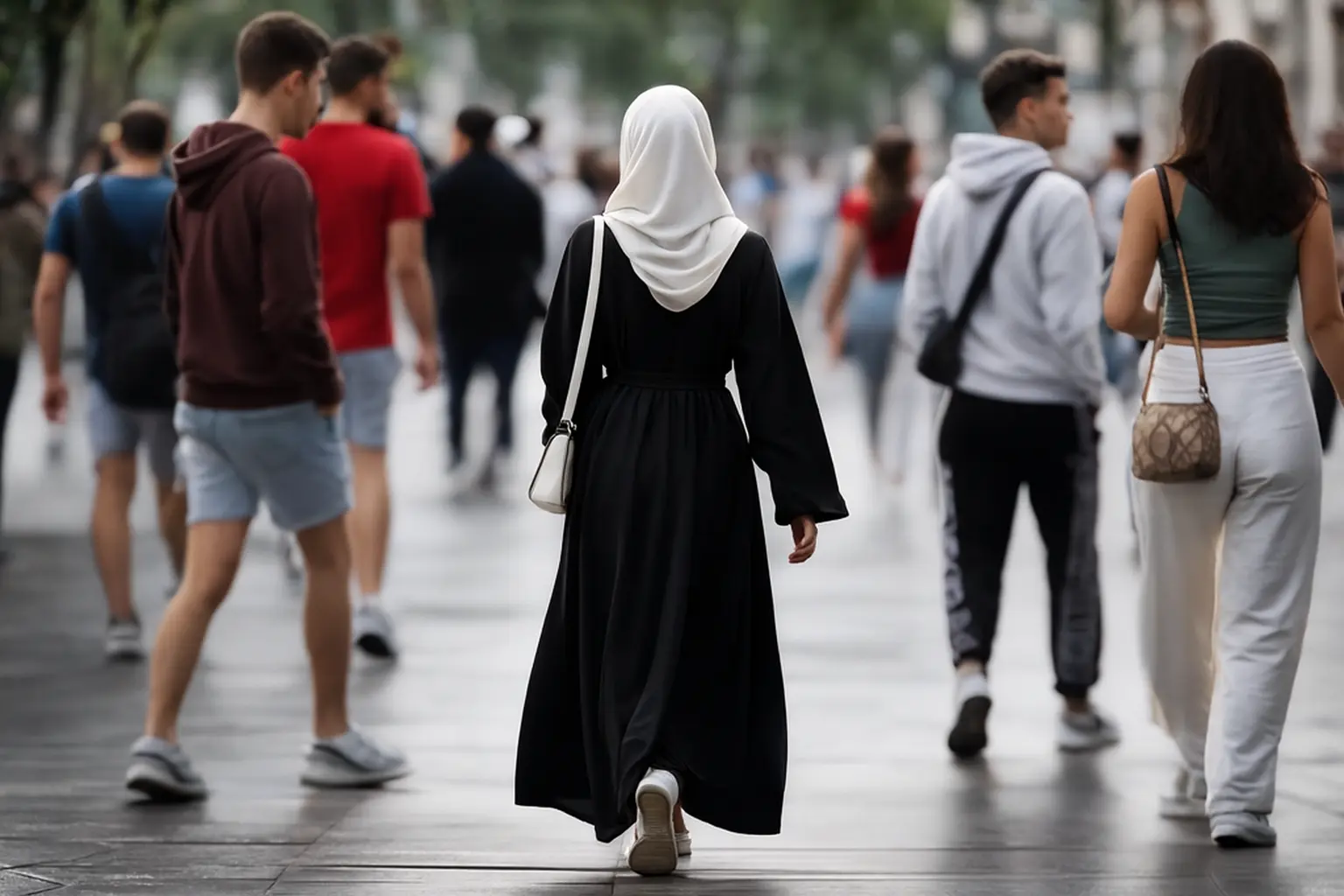
The Senate Standing Committee has strongly urged the State Bank of Pakistan (SBP) to immediately reconsider and withdraw the Mandatory Abaya Rule for Female Bank Employees. The panel expressed serious concerns over the rule, calling it an unnecessary restriction that does not align with professional banking requirements or workplace freedom. The matter gained nationwide attention as multiple stakeholders questioned whether such dress codes were essential or even legally justified in Pakistan’s modern banking environment.
The committee discussed the issue during a recent meeting where officials highlighted that employee dress standards should maintain professionalism but must not interfere with personal choice. Lawmakers emphasized that women working in the banking sector already follow appropriate attire guidelines, and enforcing an abaya rule adds an additional burden that many employees find restrictive, uncomfortable, or unnecessary for their job responsibilities.
As the debate continues, the Senate panel’s recommendation is seen as a major push toward ensuring more inclusive and employee-friendly work environments within Pakistan’s financial institutions. Here is a complete breakdown of what happened, why the committee intervened, and what this development could mean for thousands of female bank employees nationwide.
Background: Why the Mandatory Abaya Rule Came Under Scrutiny
The dress code directive reportedly surfaced after bank branches implemented internal rules requiring female staff to wear an abaya or long outer gown while on duty. The policy was not uniformly applied but appeared in multiple banks, prompting both employees and rights groups to question the reasoning behind it. Concerns arose that the rule was being enforced without proper consultation or alignment with existing guidelines issued by the State Bank of Pakistan.
Women employees from various banks reported that the abaya requirement made daily workflow difficult, especially in tasks that require movement between counters, customer interactions, document handling, and field visits. Several staff members highlighted that traditional business clothing—shalwar kameez with dupatta—already meets cultural and professional expectations and has been the norm for decades in Pakistan’s banking system.
The matter reached the Senate when lawmakers received complaints that the mandatory abaya instruction was being implemented in a discriminatory manner in certain branches. This prompted senators to seek clarification from the SBP and banks involved.

Senate Committee’s Observations and Key Concerns
During the session, members of the Senate Standing Committee stressed that professional attire should be guided by common sense rather than forced garments. They noted three major concerns regarding the abaya rule:
1. Violation of Personal Choice and Workplace Freedom
Lawmakers argued that imposing a specific garment on women restricts their personal freedom. They clarified that while modest clothing remains important in Pakistan’s workplace culture, employees must have the autonomy to choose what is comfortable and practical for their job roles.
2. Lack of SBP-Approved Uniform Policy
The committee pointed out that SBP does not mandate abayas as part of official uniform policy. This raised questions about whether individual banks were unilaterally imposing new dress standards without regulatory approval. Senators instructed the SBP to provide a clear explanation of how such instructions were allowed to circulate.
3. Impact on Women’s Professional Environment
The committee emphasized that dress codes should never create barriers for women in any profession. They highlighted that Pakistan should be encouraging more women to join the banking workforce rather than implementing rules that could discourage female participation or create a rigid work culture.
Senators added that introducing an abaya requirement could also set a concerning precedent for other sectors if not addressed immediately.
SBP’s Expected Response and Next Steps
Following the committee’s recommendations, the State Bank of Pakistan is now expected to review the matter thoroughly. SBP officials were asked to revisit the existing dress code framework and ensure that no bank imposes additional clothing requirements without regulatory consent.
Reports indicate that the Senate panel wants SBP to issue a uniform guideline stating that female employees should be allowed to wear modest, culturally appropriate clothes of their choice, without any mandatory outer garment.
The committee further urged the SBP to communicate with all financial institutions to ensure consistent implementation across branches. Banks are also expected to submit feedback on internal dress policies to help SBP finalize a clear and employee-friendly approach.
This development is likely to trigger fresh discussions on workplace policies within the Pakistani banking sector, especially regarding women’s rights, inclusivity, and modern professional standards.

Public and Employee Reactions
The issue has gained traction on social media as well, with many users—particularly women working in banks—welcoming the Senate’s intervention. Employees have shared experiences of being pressured to wear abayas despite wearing modest clothing that meets workplace expectations.
Advocates for workplace rights noted that such mandatory rules often stem from internal cultural preferences rather than formal policy. They praised the Senate panel for addressing the matter promptly and supporting the rights of female employees.
Some members of the public also argued that dress choices should not affect customer service quality or professional competence, stressing that unnecessary rules hinder workplace comfort and confidence.
Conclusion – Mandatory Abaya Rule for Female Bank Employees
The Senate’s call to the State Bank of Pakistan to remove the mandatory abaya rule is being viewed as a significant move toward safeguarding workplace freedom and gender inclusivity. As thousands of women contribute to the banking sector every day, policymakers believe they must be allowed to work in attire that is both culturally respectful and professionally suitable—without being forced to follow excessive or unapproved dress regulations.
If the SBP acts on the Senate panel’s recommendation, it could help set a positive precedent for other sectors and reinforce Pakistan’s commitment to creating respectful, equitable, and employee-friendly workplaces.