Iran’s New Leader – Who Could Take Power Next?
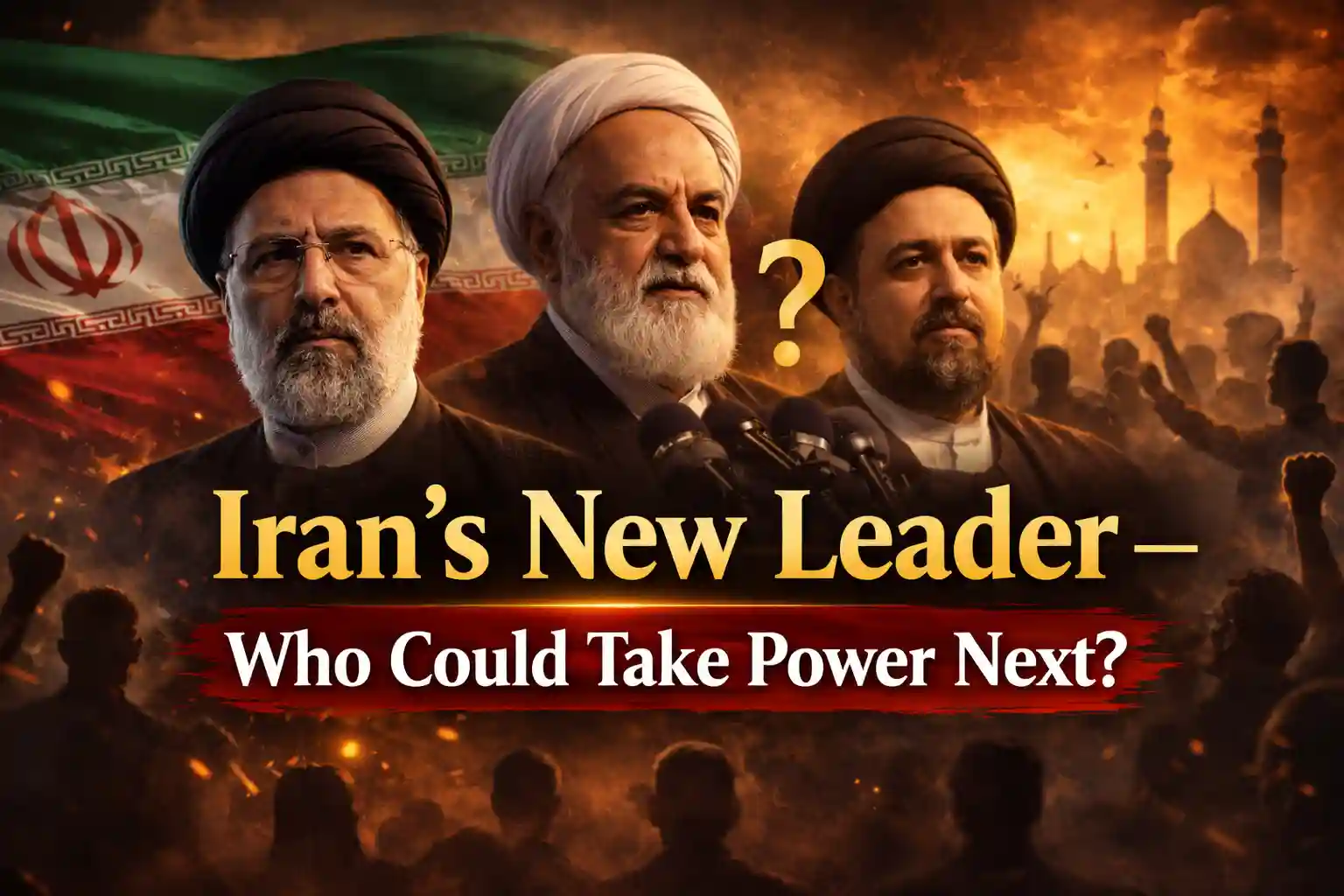
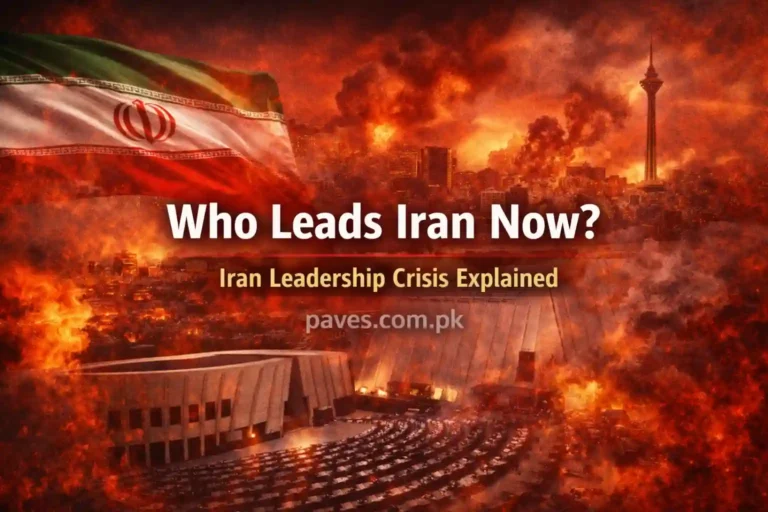
Iran’s leadership transition has become a major topic of discussion among political analysts, international media, and global governments. The position of Iran’s Supreme Leader is the most powerful role in the country’s political system. When questions arise about who may lead Iran next, the issue quickly becomes important not only for Iranians but also for the wider Middle East and the international community.
The Supreme Leader oversees the country’s military, judiciary, security institutions, and major strategic decisions. Because of this authority, choosing Iran’s next leader will shape the country’s political direction, economic policies, and relations with other nations for years to come.
In this article, we explore how Iran selects its Supreme Leader, the possible candidates who could take power next, and what the future leadership of Iran may look like.
Understanding the Power of Iran’s Supreme Leader
The Supreme Leader is the highest political and religious authority in Iran. This position was established after the Islamic Revolution of 1979, which transformed Iran into an Islamic Republic.
Unlike the president of Iran, who is elected by the public, the Supreme Leader is selected by a special body of Islamic scholars. The leader holds significant authority over nearly every branch of government.
Key responsibilities of the Supreme Leader include
• Commanding the armed forces
• Appointing senior military leaders
• Influencing foreign policy decisions
• Controlling the judiciary
• Supervising national broadcasting organizations
• Approving or dismissing the president in special situations
Because of these powers, the leadership transition in Iran is one of the most important political developments in the region.

How Iran Chooses Its Supreme Leader
Iran’s constitution outlines a specific system for selecting the Supreme Leader. The responsibility belongs to the Assembly of Experts, a group of religious scholars elected by the public.
This body consists of eighty eight members who review potential candidates and vote to appoint the new Supreme Leader.
The selection process focuses on candidates who meet several key qualifications
• Strong Islamic scholarship
• Political leadership ability
• Loyalty to the Islamic Republic system
• Experience in religious and governmental institutions
If a leadership vacancy occurs, an interim leadership council may temporarily manage the country until a permanent leader is selected.

Possible Candidates for Iran’s Next Leader
Several influential figures are often mentioned as potential successors. Each candidate represents different political views and levels of influence within Iran’s power structure.

Mojtaba Khamenei as a Potential Successor
Mojtaba Khamenei is widely discussed as a possible candidate for the next Supreme Leader. He is the son of Iran’s current Supreme Leader and has strong connections with important political and military institutions.
Many analysts believe he has significant influence behind the scenes and strong relationships with the Revolutionary Guard.
However, the idea of leadership passing from father to son is controversial. Some critics argue that it resembles a hereditary system, which contradicts the ideals of the Islamic Revolution.
Despite these debates, Mojtaba Khamenei remains one of the most frequently mentioned names in discussions about Iran’s future leadership.
Alireza Arafi and His Religious Authority
Alireza Arafi is another respected cleric within Iran’s religious establishment. He has served in several influential religious institutions and is known for his deep academic and theological background.
His leadership roles within religious councils give him credibility among conservative scholars.
Because the position of Supreme Leader requires strong religious authority, figures like Arafi are often considered serious contenders.
Gholam Hossein Mohseni Ejei and Judicial Leadership
Gholam Hossein Mohseni Ejei is currently a senior figure within Iran’s judiciary system. He has held several powerful positions in Iran’s government and is known for his firm stance on national security and legal matters.
His long experience in intelligence and judicial institutions makes him a strong candidate supported by conservative political circles.
If someone with his background becomes the next leader, Iran’s political system may continue along a similar ideological path.
Hassan Khomeini and Reformist Support
Hassan Khomeini is the grandson of the founder of the Islamic Republic. His family name carries strong historical significance in Iranian politics.
Unlike many conservative candidates, Hassan Khomeini is sometimes associated with more moderate political views.
Many reformist groups see him as a symbol of potential political change and modernization within Iran’s leadership.
However, the current political environment in Iran is dominated by conservative institutions, which may affect his chances of becoming Supreme Leader.
Mohammad Mehdi Mirbagheri and Ideological Influence
Mohammad Mehdi Mirbagheri is known for his strong ideological commitment to the principles of the Islamic Republic. He has been associated with conservative religious movements and has influence within ideological political circles.
Supporters believe his leadership would strengthen Iran’s revolutionary identity and resistance to foreign political pressure.
His views align closely with hardline political factions, which could help him gain support among certain powerful institutions.
The Influence of the Revolutionary Guard in Leadership Decisions
The Islamic Revolutionary Guard Corps plays a major role in Iran’s political and security structure. Over the years, it has expanded its influence across economic, military, and political sectors.
Many political analysts believe the Revolutionary Guard will have a strong influence during the leadership transition.
Because the organization controls significant military and strategic resources, its support could shape the final outcome of the leadership selection process.
Major Challenges Facing Iran’s Next Leader
Whoever becomes the next Supreme Leader will face a number of serious challenges both inside and outside the country.
Economic challenges
Iran’s economy has been affected by international sanctions, inflation, and unemployment. Improving economic stability will be a major responsibility for the next leader.
Domestic political issues
Iran has experienced several waves of public protests in recent years. Addressing public concerns while maintaining political stability will require careful leadership.
International relations
Iran’s relations with Western countries remain complex. The future leader will play an important role in shaping diplomatic negotiations, especially regarding nuclear agreements and regional security.
Regional influence
Iran is involved in several geopolitical developments across the Middle East. Managing these relationships while maintaining national interests will be a critical task.
What the Leadership Change Means for the Middle East
Iran is one of the most influential countries in the Middle East. A change in leadership could affect many regional dynamics including security alliances and diplomatic negotiations.
Possible outcomes include
• Shifts in Iran’s foreign policy strategy
• Changes in nuclear negotiations
• New approaches to regional conflicts
• Adjustments in relations with neighboring countries
Global powers are closely watching Iran’s leadership transition because it may reshape political developments across the region.
The Future Direction of Iran’s Leadership
Several scenarios could shape Iran’s political future.
One possibility is that a conservative figure continues the existing policies and maintains the current ideological framework.
Another scenario could involve a more moderate leader who seeks gradual reforms and improved international relations.
A third possibility involves increased influence from security institutions that play a strong role in national decision making.
Regardless of which scenario unfolds, Iran’s leadership transition will remain one of the most important political developments in the region.
Conclusion
The question of who will become Iran’s next leader remains uncertain, but it is clear that the decision will have significant consequences for Iran and the broader Middle East.
Several influential figures including Mojtaba Khamenei, Alireza Arafi, Gholam Hossein Mohseni Ejei, Hassan Khomeini, and Mohammad Mehdi Mirbagheri are often discussed as potential successors.
The Assembly of Experts will ultimately make the decision based on religious authority, political experience, and support from key institutions.
As the world watches closely, the next Supreme Leader will shape Iran’s political future and determine how the country engages with regional and global challenges.
FAQs Iran’s New Leader
Who will be Iran’s next leader?
Iran’s next Supreme Leader will be chosen by the Assembly of Experts. Several political and religious figures are currently discussed as possible candidates.
How is the Supreme Leader selected in Iran?
The Assembly of Experts evaluates qualified religious scholars and votes to appoint the Supreme Leader.
Can a president become Iran’s Supreme Leader?
Yes, but the candidate must meet religious qualifications and have strong support among Iran’s clerical leadership.
Why is Mojtaba Khamenei considered a possible successor?
He has strong political connections and influence within Iran’s security and religious institutions.
What powers does the Supreme Leader have?
The Supreme Leader controls the armed forces, influences foreign policy, supervises the judiciary, and holds the highest authority in Iran’s political system.