Global Energy Markets Shaken as Iraq Halts Output at Giant Rumaila Oil Field
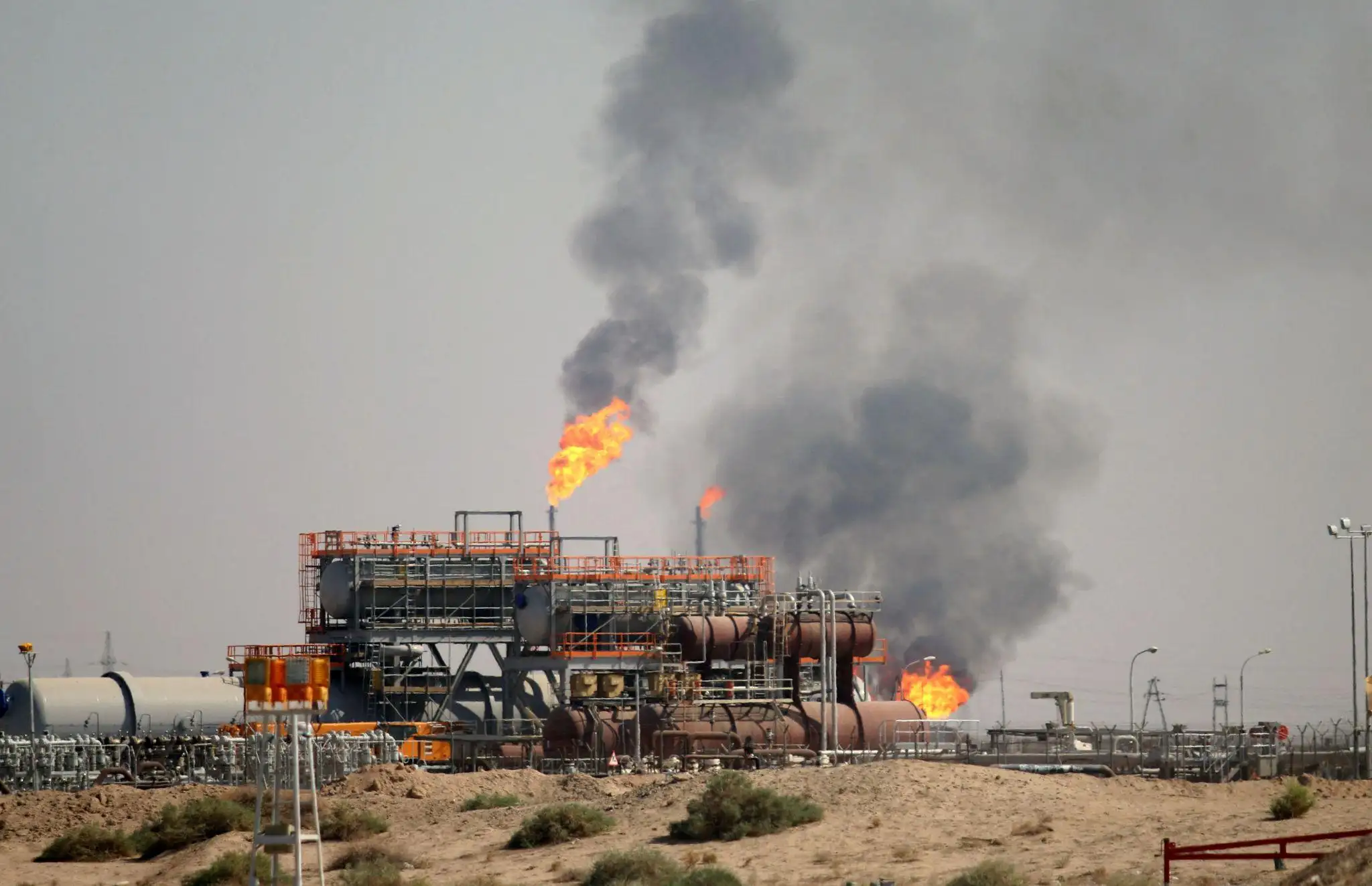
Global energy markets were shaken after Iraq announced production cuts at some of its largest oil fields, including the massive Rumaila Oil Field, one of the biggest oil-producing fields in the world. The development has triggered serious concerns among Asian oil buyers and global energy traders, especially as tensions in the Middle East continue to escalate.
The situation has sparked fears that oil prices could rise toward $100 per barrel again, a level that significantly impacts global economies and energy markets.
Currently, people across the world are searching online:
- Iraq shuts down oil field news
- Rumaila oil field production cut
- global oil price surge 2026
- Strait of Hormuz oil disruption
- Brent crude price today
- Middle East oil crisis update
In this detailed report, we explain what happened, why Iraq reduced oil production, the impact on global markets, and what it means for oil-importing countries, particularly in Asia.
What Happened: Iraq Cuts Production at Major Oil Fields
Iraq recently started reducing oil production at several southern oil fields, including the massive Rumaila field.
Rumaila is considered the second-largest oil field in the world, producing millions of barrels per day and playing a crucial role in global oil supply.
Officials confirmed that:
- Production at West Qurna 2 oil field has also been reduced
- Around 460,000 barrels per day have been temporarily shut in
- Storage tanks near export terminals are reaching capacity
These measures were necessary to prevent logistical disruptions caused by difficulties in transporting crude oil.
Why Iraq Shut Down Oil Production
Contrary to speculation linking the cuts directly to military conflict, Iraqi officials stated that the decision was driven primarily by logistical challenges and tanker shortages.
Key Reasons Behind the Production Cuts
- Disruption in tanker navigation
- Limited availability of oil tankers
- Storage facilities nearing full capacity
- Shipping concerns around the Strait of Hormuz
Because oil shipments could not move smoothly through export routes, producers had no choice but to reduce output temporarily.
The Importance of the Rumaila Oil Field
The Rumaila Oil Field, located in southern Iraq, is one of the most important oil production sites in the world.
Key Facts About Rumaila
- Produces over 1.4 million barrels per day
- One of the largest oil reserves globally
- Operated jointly by Iraqi authorities and international companies
- Major source of crude oil exports to Asia
Any disruption at Rumaila immediately impacts global oil markets.
West Qurna 2 Oil Field Production Cuts
Another major production reduction occurred at the West Qurna 2 oil field, where approximately 460,000 barrels per day were taken offline.
West Qurna 2 is another critical component of Iraq’s oil sector and contributes significantly to the country’s export revenues.
Temporary cuts here further tightened global supply expectations.
Strait of Hormuz Crisis and Global Oil Transport
The Strait of Hormuz plays a crucial role in the global energy system.
Why Strait of Hormuz Is Important
- About 20% of global oil shipments pass through this route
- It connects Gulf oil exporters with global markets
- Major exporters include Iraq, Saudi Arabia, UAE, Kuwait, and Iran
With tensions escalating in the Middle East and shipping disruptions occurring, tanker movements through the strait have slowed dramatically.
This has created supply concerns for global markets.
Drone Strike at UAE’s Fujairah Port Raises Alarm
Adding to the tension, a drone strike reportedly targeted the Port of Fujairah in the UAE.
Fujairah is one of the largest oil export hubs outside the Strait of Hormuz.
While authorities confirmed that no catastrophic damage occurred, the attack raised concerns about the security of regional energy infrastructure.
Energy analysts believe that even minor attacks on major oil facilities can create panic in global markets.
Oil Prices Surge After Iraq Production Cuts
Following the news of production cuts and regional instability, global oil prices jumped sharply.
Latest Oil Price Update
- Brent Crude: $83.4 per barrel
- West Texas Intermediate (WTI): $76.7 per barrel
Brent crude increased more than 7 percent, while WTI rose about 7.65 percent.
These sudden increases reflect investor concerns over supply shortages.
Why Asian Buyers Are Most Concerned
Asian countries are among the largest importers of Middle Eastern oil.
Major buyers include:
- China
- India
- Japan
- South Korea
- Pakistan
Because these countries depend heavily on Gulf oil supplies, any disruption in the Middle East directly affects their energy security.
Oil traders in Asia are particularly worried about potential shipping delays and rising costs.
Could Oil Prices Reach $100 Again?
Energy analysts say that if disruptions continue, oil prices could approach $100 per barrel once again.
Factors that could push prices higher include:
- Continued tanker disruptions
- Escalation of regional conflict
- Damage to energy infrastructure
- Extended production cuts
However, if shipping routes stabilize and supply resumes normally, prices may return to lower levels.
Impact on Global Economy
Higher oil prices have significant global economic consequences.
Possible Effects
- Increased fuel prices
- Higher transportation costs
- Rising inflation
- Pressure on developing economies
- Increased production costs for industries
Countries heavily dependent on imported oil will feel the impact most strongly.
Impact on Pakistan and South Asia
Pakistan and other South Asian countries rely heavily on imported oil.
If oil prices continue rising:
- Fuel prices could increase
- Transportation costs may rise
- Electricity production costs may go up
- Inflation could increase
Governments in the region are closely monitoring developments in the Middle East.
Energy Security Concerns Worldwide
The latest developments highlight the fragile nature of global energy supply chains.
Energy security experts warn that geopolitical conflicts can quickly disrupt oil markets.
Many countries are now exploring:
- Strategic oil reserves
- Alternative energy sources
- Renewable energy investments
- Diversified energy supply routes
These measures aim to reduce dependence on single regions.
Global Market Reaction
Financial markets also reacted to the news.
Energy stocks rose, while some airline and transportation stocks faced pressure due to expectations of higher fuel costs.
Investors are closely monitoring:
- Middle East geopolitical developments
- Oil supply disruptions
- Shipping routes through the Strait of Hormuz
Any escalation could trigger further volatility.
What Happens Next?
Several scenarios could unfold in the coming weeks:
Scenario 1: Supply Stabilization
If tanker movement resumes normally, production cuts may be reversed.
Scenario 2: Continued Disruptions
Prolonged shipping delays could push oil prices higher.
Scenario 3: Geopolitical Escalation
Further attacks or conflicts could create a larger global energy crisis.
Energy markets will remain sensitive to any new developments.
Conclusion
The shutdown of production at Iraq’s Rumaila and West Qurna oil fields has triggered fresh concerns across global energy markets. Combined with disruptions in tanker movement through the Strait of Hormuz and the drone incident at Fujairah port, the situation highlights how fragile global oil supply chains remain.
For Asian buyers heavily dependent on Middle Eastern oil, the uncertainty has created significant anxiety. With oil prices already climbing and geopolitical tensions still high, energy markets will be closely watching developments in the coming weeks.
If disruptions persist, the world could once again face the possibility of $100 oil, a scenario that would have major economic consequences worldwide.