Fake Iran War Videos Go Viral Online – What’s the Truth?
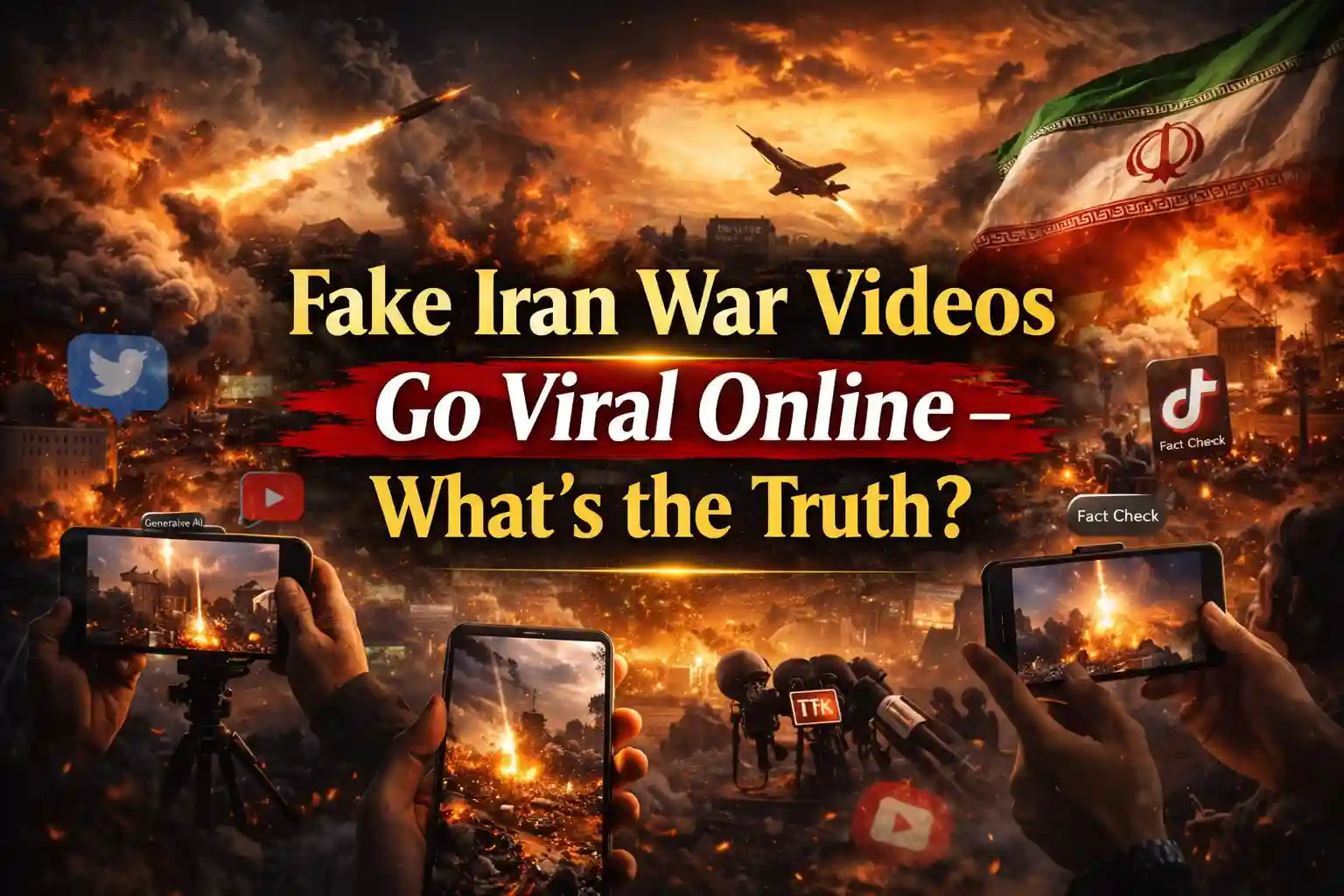
In the digital age, information spreads faster than ever. Social media platforms such as Facebook, X (Twitter), TikTok, Instagram, and YouTube allow millions of people to share news instantly. However, this speed also makes it easier for misinformation to spread. Recently, many videos claiming to show a war involving Iran have gone viral online. These videos display dramatic scenes such as missile strikes, fighter jet battles, and massive explosions.
Many viewers believed these clips were real footage from a developing conflict. However, digital investigators and fact checkers later revealed that a large number of these videos were fake, misleading, or taken from unrelated sources. Some were created using artificial intelligence, while others were clips from video games or old war footage shared with false captions.
This situation highlights the growing challenge of misinformation during global tensions. Understanding why fake Iran war videos go viral and how to identify them is important for every internet user.
Why Fake Iran War Videos Go Viral on Social Media
Fake war videos often spread rapidly because they attract strong emotional reactions. Videos showing explosions or military action immediately capture attention. People become curious or concerned and share the content without verifying the information.
Another reason is the culture of breaking news. Many users want to share the latest updates quickly. In this rush to share information, verification is often ignored. As a result, misleading videos gain thousands or even millions of views within a short time.
Social media algorithms also play a major role. Platforms promote content that receives high engagement such as likes, comments, and shares. If a dramatic war video receives early engagement, the algorithm pushes it to more users, allowing it to spread even further.
Additionally, many viewers trust what they see online. If a video appears realistic and includes captions claiming it is from a current conflict, many people accept it as truth without further investigation.
AI Generated Iran War Videos and Digital Manipulation
One of the biggest reasons behind the spread of fake war footage today is artificial intelligence. Modern AI tools can generate realistic videos showing explosions, military vehicles, aircraft, and battle scenes. These videos can look extremely convincing, especially when viewed on small screens.
AI generated clips are often designed to mimic real news footage. Creators add dramatic music, subtitles, or voiceovers to make the content appear authentic. In some cases, these videos are shared intentionally to mislead viewers or gain online attention.
Despite their realism, AI generated videos sometimes contain small visual errors. Buildings may appear distorted, movements may look unnatural, or lighting and shadows may not match the environment. However, these details can be difficult to notice, especially when people watch short clips quickly on their phones.
The rapid advancement of AI technology means that fake videos are becoming more sophisticated every year. This makes it increasingly important for viewers to remain cautious when encountering viral war footage online.

Video Game Footage Shared as Real War Videos
Another common source of fake war videos is video games. Modern military simulation games feature extremely realistic graphics and combat scenes. These games often include fighter jets, tanks, missile strikes, and large scale battles.
Some social media users record gameplay footage and present it as real war videos. They may add captions such as “Breaking News” or “Live Footage” to make the clip appear authentic. Sometimes the video is edited with camera shake effects and reduced resolution so it looks like footage recorded in a real conflict zone.
Because many viewers are unfamiliar with these games, they assume the footage is real. As a result, gameplay clips are often mistaken for genuine war recordings and spread rapidly across social media platforms.
Old War Footage Misused as Iran Conflict Videos
Not all misleading war videos are artificially created. Many viral clips are actually real footage from previous conflicts but are shared with false descriptions.
Videos from past wars in different regions have been reposted online with captions claiming they show a new conflict involving Iran. These clips may include missile attacks, aerial bombardments, or destroyed buildings. Since most viewers do not recognize the original context, they believe the footage is recent.
This practice is known as miscaptioning. It involves taking authentic footage and presenting it with misleading information. While the video itself may be real, the story attached to it is false.
Miscaptioned videos can be just as harmful as completely fake ones because they spread confusion and misinformation about current events.
Disinformation and Information Warfare
During periods of international tension, misinformation often becomes part of a broader strategy known as information warfare. Governments, political groups, or organized networks may spread misleading content to influence public opinion.
Disinformation campaigns can involve fake social media accounts, coordinated sharing of misleading videos, and edited footage designed to support specific narratives. These campaigns aim to shape how people perceive conflicts and political events.
In some cases, misinformation is spread simply to gain online attention or increase followers. However, in other situations it may be used to create fear, confusion, or distrust among the public.
Because of these risks, journalists and researchers closely monitor viral war videos and investigate their authenticity.
How Experts Verify Viral War Videos
Digital investigators use several methods to determine whether a viral war video is genuine or fake. These techniques help identify the original source of a video and verify whether it accurately represents the event being described.
One common method is reverse image search. Investigators search the internet to find earlier versions of the same video. If the clip appeared online years earlier, it cannot represent a recent event.
Geolocation analysis is another important technique. Experts examine buildings, landscapes, mountains, and other landmarks visible in the video. By comparing these features with maps and satellite images, they can determine where the video was actually recorded.
Metadata analysis can also reveal important details such as the date, time, and device used to record the footage. If these details do not match the claimed event, the video may be misleading.
Through these methods, fact checkers can often uncover the truth behind viral videos and prevent misinformation from spreading further.
The Dangers of Fake War Videos Online
The spread of fake war videos can have serious consequences. When people believe misleading information about conflicts, it can create unnecessary fear and panic.
False videos may also increase political tensions. If viewers believe a particular country has launched an attack based on fake footage, it can lead to anger and hostility.
Another major problem is the erosion of trust. When people repeatedly encounter misinformation, they may begin to doubt legitimate news sources as well. This makes it harder for accurate information to reach the public.
For these reasons, combating misinformation has become a major priority for journalists, researchers, and technology companies.
How to Identify Fake Iran War Videos
There are several signs that can help viewers recognize fake or misleading war videos.
First, consider the source of the video. If the clip is shared by an unknown account or lacks credible news coverage, it may not be reliable.
Second, look closely at the visual details. Unrealistic explosions, distorted objects, or unusual movements may indicate that the video was generated or manipulated.
Third, check whether the same video appears in older posts online. If the clip existed before the alleged event, it cannot be genuine footage of the current situation.
Finally, be cautious of dramatic captions that encourage immediate sharing. Sensational headlines are often used to spread misinformation quickly.
By applying these simple checks, users can reduce the risk of sharing misleading content.
The Future of Misinformation in the Digital Age
As technology continues to evolve, the challenge of identifying fake content will likely become more complex. Artificial intelligence tools are improving rapidly, allowing creators to produce increasingly realistic videos.
At the same time, researchers are developing new technologies to detect manipulated media. AI detection systems and advanced verification techniques are being used to identify fake videos more quickly.
Public awareness will also play a crucial role. When users understand how misinformation spreads and learn how to verify information, the impact of fake videos can be reduced.
Education about digital literacy is becoming increasingly important in the fight against online misinformation.
Conclusion: Understanding the Truth Behind Viral Iran War Videos
The recent spread of viral videos claiming to show a war involving Iran demonstrates how easily misinformation can circulate online. Many of these videos are not real footage from current events. Instead, they are AI generated clips, video game recordings, or old war footage shared with misleading captions.
While these videos may appear convincing, careful verification often reveals the truth. By relying on credible news sources and checking information before sharing it, internet users can help prevent the spread of misinformation.
In a world where digital content spreads instantly, critical thinking and responsible sharing are essential. Understanding how fake war videos are created and distributed is the first step toward ensuring that accurate information remains accessible to everyone.
FAQs Fake Iran War Videos Go Viral Online
Why are fake Iran war videos spreading online?
Fake war videos spread quickly because they attract attention and emotional reactions. Social media algorithms also promote dramatic content that receives high engagement.
Are all viral Iran war videos fake?
Not all of them are fake, but many viral clips are misleading. Some are AI generated, some come from video games, and others are old footage shared with incorrect captions.
How can people verify whether a war video is real?
People can check reliable news sources, examine the original source of the video, and search online to see if the footage existed before the claimed event.
Why do people create fake war videos?
Some people create fake videos to gain views and followers, while others may use them for propaganda or misinformation campaigns.
What should users do if they see a suspicious war video?
Users should avoid sharing the video immediately and verify the information through trusted news sources before believing or reposting it.