Breaking News: Electric Buses to Hit Rawalpindi Roads Soon – Punjab Launches Eco-Friendly Transport 2025
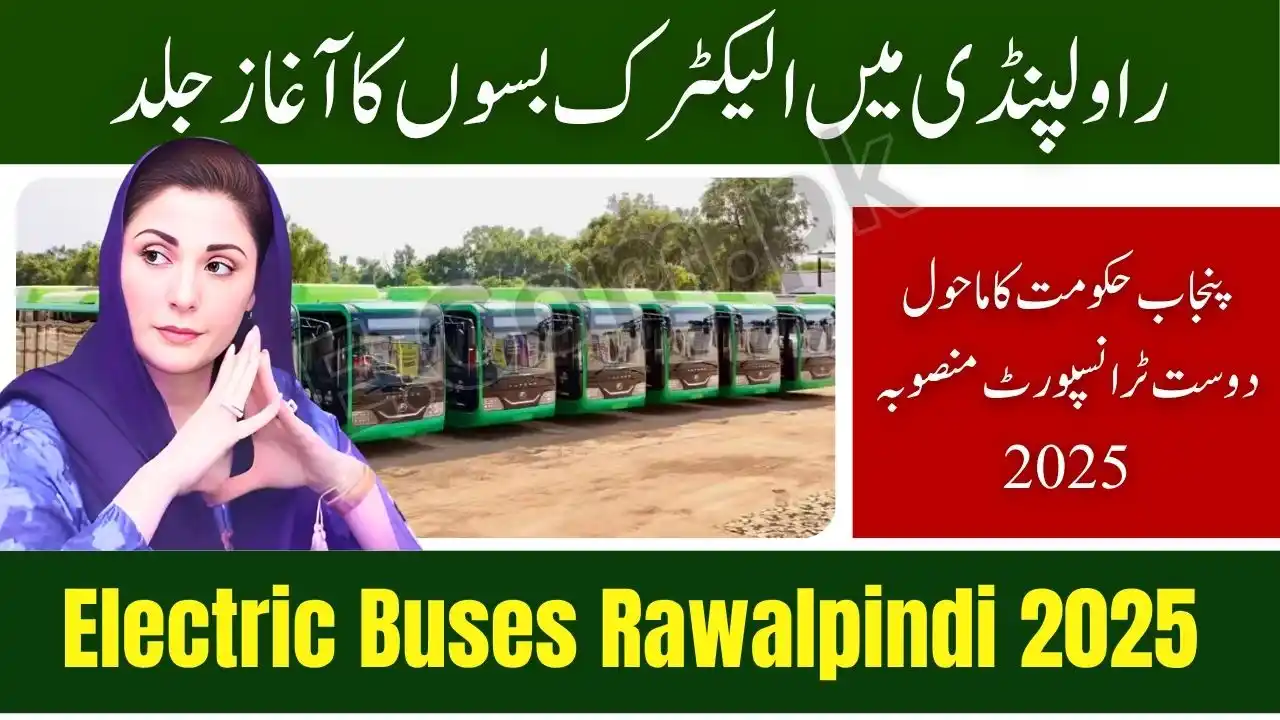
In a major breakthrough for Pakistan’s green transport revolution, the Punjab Government has announced the launch of Electric Buses Rawalpindi 2025. This initiative marks a key milestone in promoting sustainable mobility, reducing carbon emissions, and modernizing Pakistan’s public transportation system under the 2025 eco-friendly roadmap.
The new electric bus service will operate on several routes across Rawalpindi and Islamabad, providing citizens with a modern, clean, and comfortable commuting option. The move comes as part of Punjab’s broader strategy to reduce air pollution, cut fuel dependency, and introduce renewable energy–based mobility solutions.
Introduction – Green Transport Comes to Rawalpindi
For years, Rawalpindi’s busy roads have been choked with smoke-emitting diesel buses and vans. But this situation is about to change. The Punjab Mass Transit Authority (PMTA) and Transport Department Punjab have jointly approved a fleet of modern electric buses that will soon be seen on city routes.
This eco-friendly transformation is part of the Clean and Green Punjab Initiative, spearheaded by Chief Minister Maryam Nawaz Sharif, who emphasized the need for an efficient yet environment-friendly transport system for urban citizens.
The project has already entered its final testing phase, and citizens are expected to see electric buses operating on major routes before the end of 2025.
Check Also: Breaking News: Punjab Govt Increases Electric Bus Ticket Price 2025 – New Fare List Announced

Eligibility – Who Can Use the Electric Bus Service
| Category | Eligibility |
|---|---|
| General Public | All citizens of Rawalpindi and Islamabad can use the service. |
| Students | Eligible for discounted fares through student cards. |
| Senior Citizens | May receive fare concessions as per government policy. |
| Women & Persons with Disabilities | Priority seating and safety features provided. |
| Tourists & Visitors | Open access for all travelers within the city routes. |
This inclusive system ensures that every citizen benefits from clean, modern, and affordable transport options.
Features and Benefits of the Rawalpindi Electric Bus Service
| Feature / Benefit | Description |
|---|---|
| Zero Emission | Fully electric buses with zero tailpipe emissions to reduce air pollution. |
| Comfortable Ride | Air-conditioned buses with noise-free operation and modern seating. |
| Smart Ticketing System | Integration with digital and metro card systems for cashless travel. |
| Safety Measures | CCTV cameras, panic buttons, and tracking for passenger security. |
| Affordable Fares | Expected to match or stay below current Metro Bus fare levels. |
| Accessible to All | Low-floor design and ramps for elderly and disabled passengers. |
| Reduced Traffic Pollution | A step toward Pakistan’s electric mobility targets under Vision 2030. |
Project Overview and Key Details
According to the Punjab Transport Department, 15 routes have been designated for the Rawalpindi electric bus service, focusing on the city’s busiest commuting corridors. Charging infrastructure is being built at strategic hubs such as Katchery Chowk, Faizabad, Rawat, Chakri Road, and Gujar Khan.
The fleet of buses — imported from China under the Punjab Green Mobility Project — will include the latest battery technology with a range of 250–300 kilometers on a single charge. Each bus will feature GPS systems, digital displays, and driver-assist technology to enhance safety and operational efficiency.
The project also aligns with the Punjab EV Policy 2025, which encourages public transport electrification and infrastructure investment across all major cities including Lahore, Multan, Faisalabad, and Bahawalpur.

How to Use the Electric Bus Service (Step-by-Step Guide)
- Find the Nearest Stop:
Check for designated electric bus stops marked with the Punjab Green Transport logo across major routes in Rawalpindi. - Purchase or Recharge Your Travel Card:
Commuters can use their existing Metro Bus T-Cash Card or mobile QR ticket for access. - Board the Bus Safely:
Wait for passengers to disembark, then enter through the main door. Priority seating is reserved for women and senior citizens. - Validate Your Ticket:
Tap your card or scan your QR code at the entry gate for digital fare deduction. - Enjoy a Clean Ride:
Sit back in a silent, air-conditioned, emission-free environment with full comfort and safety monitoring. - Exit and Recharge:
Disembark safely at your desired stop and recharge your card via the mobile app, kiosk, or partner retailers.
Electric Bus Routes – Phase 1 Overview
| Route Name | Coverage Area |
|---|---|
| Route 1 | Saddar to Rawat via Katchery Road |
| Route 2 | Faizabad to Airport Road |
| Route 3 | Committee Chowk to Chakri Road |
| Route 4 | Pirwadhai to 6th Road |
| Route 5 | Gujar Khan to Liaquat Bagh |
| Route 6 | Islamabad Metro Link Route |
| Route 7 | Adiala Road to Marrir Hassan |
| Route 8 | Rawal Chowk to Peshawar Road |
| Route 9 | Satellite Town to Islamabad Expressway |
| Route 10 | Murree Road Corridor |
Additional routes will be added after the initial success of Phase 1, connecting the electric buses with Metro Bus terminals for seamless travel.
Charging Infrastructure & Maintenance
The government has partnered with Chinese manufacturers and local energy firms to install fast-charging stations across the city. Each bus will take around 40–60 minutes to charge fully, capable of running all day with minimal downtime.
A central monitoring control room will track vehicle health, energy consumption, and route efficiency. The Punjab Transport Authority (PTA) and PMTA will manage operations with help from trained Pakistani technicians.
The charging stations will use solar-powered support systems, reducing load on the main electricity grid. This makes the system not only eco-friendly but also cost-efficient in the long run.
Economic and Environmental Impact
The introduction of electric buses in Rawalpindi will have wide-reaching economic and environmental benefits:
- Job Creation: Dozens of new technical and operational jobs in transport and maintenance sectors.
- Fuel Savings: Reduction in imported diesel demand will save millions of rupees annually.
- Emission Reduction: Estimated cut of over 15,000 tons of CO₂ emissions per year.
- Noise Control: Quieter streets and improved living standards in residential areas.
- Public Awareness: Promotes environmental responsibility among citizens and institutions.
This project is seen as a pilot model for electric public transport expansion to other Punjab cities under the Green Punjab Vision 2030.
Government’s Vision – Towards an Electric Future
Chief Minister Maryam Nawaz emphasized that climate-smart transport is one of Punjab’s top priorities. The government aims to convert 50% of all public transport into electric or hybrid by 2030.
The Punjab Transport Minister has confirmed that additional electric buses will be introduced in Lahore, Faisalabad, and Multan after successful implementation in Rawalpindi.
This initiative also complements Pakistan’s National Electric Vehicle Policy (NEVP) launched by the federal government, which targets 30% EV adoption by 2030.
Public Reaction
Citizens of Rawalpindi have expressed excitement about the upcoming electric buses. Many residents say it’s a long-awaited step toward modern, affordable, and climate-friendly public transport.
Daily commuters have praised the idea of silent, comfortable rides compared to the noisy diesel vans currently operating. Environmental activists and students have also lauded the government for its practical approach to tackling pollution.
Check Also: Breaking: Rawalpindi Electric Bus Service Launching in November 2025 – 102 Buses Approved
Frequently Asked Questions (FAQs) about Electric Buses Rawalpindi 2025
1. When will electric buses start operating in Rawalpindi?
The Punjab Transport Department expects operations to begin before the end of 2025, after final safety checks and route testing.
2. How much will the fare cost?
The fare structure will be similar to Metro Bus fares, ensuring affordability for students, workers, and families.
3. Can passengers use Metro Bus cards?
Yes, existing Metro Bus or T-Cash Cards will work on electric buses after minor system upgrades.
4. Which areas will the buses cover first?
The first phase includes major city routes such as Saddar, Faizabad, Committee Chowk, Rawat, and Chakri Road.
5. Are the buses locally assembled?
Currently, buses are imported from China, but future phases may include local assembly partnerships to promote industry growth.
6. How are the buses charged?
Charging stations are being installed at dedicated depots and terminals with solar support systems.
7. Will this reduce air pollution in Rawalpindi?
Yes, the electric buses will contribute significantly to reducing carbon and noise pollution in the city.
8. Who will manage and operate the service?
The Punjab Mass Transit Authority (PMTA) and Transport Department Punjab will supervise the system in coordination with local city management.
Conclusion – Electric Buses to Hit Rawalpindi Roads Soon
The launch of electric buses in Rawalpindi is a historic step towards sustainable urban mobility in Pakistan. This project will not only revolutionize daily commuting but also help combat air pollution, reduce carbon emissions, and create a greener future for generations to come.
As Punjab leads the way with eco-friendly transport initiatives, Rawalpindi is set to become a model city for clean, modern, and efficient public transport under the Green Punjab 2025 vision.