Breaking: PARCO Secures 140,000 Barrels of Crude Oil via Alternative Supply Routes
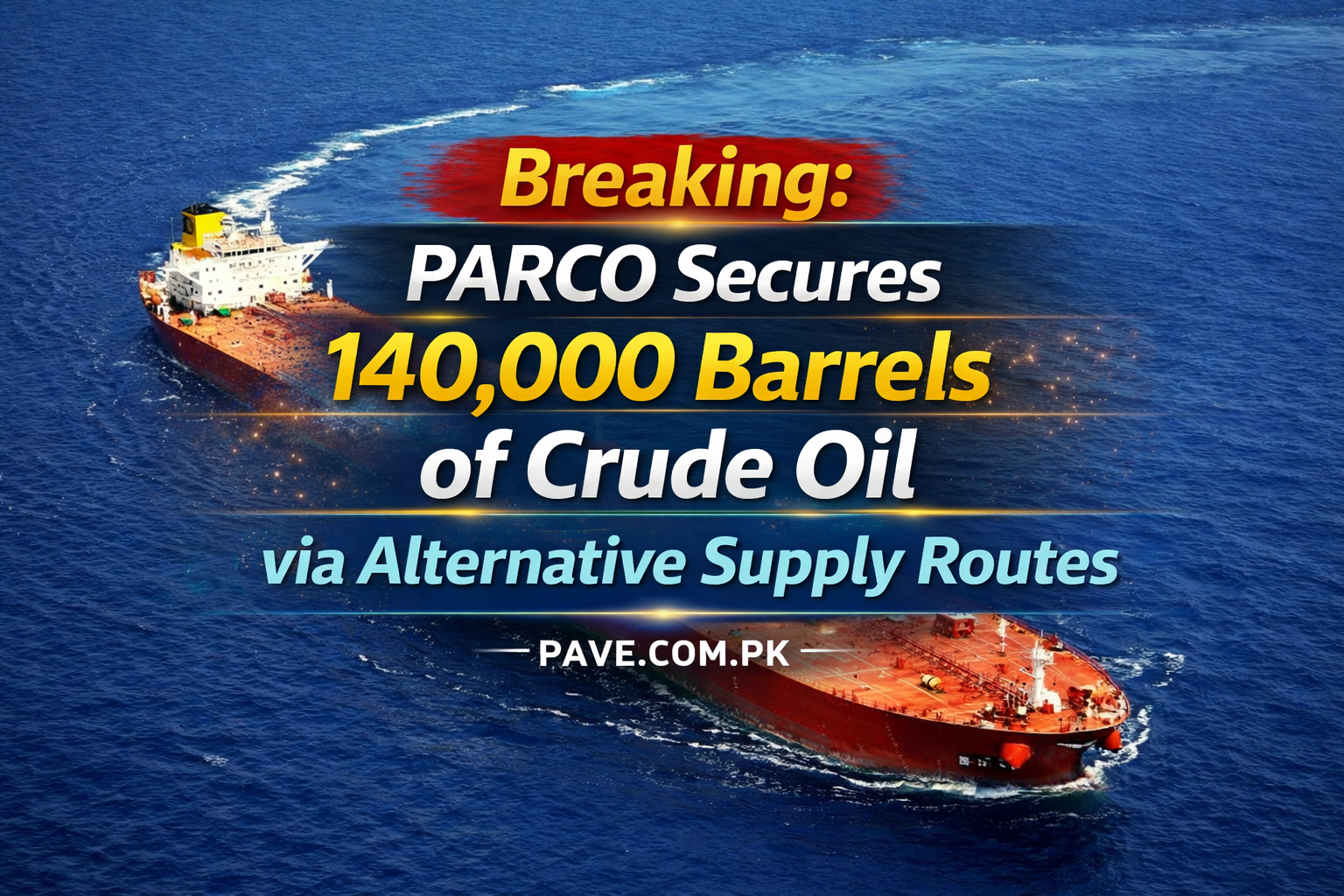
Pakistan has taken an important step to secure its energy supply after Pak-Arab Refinery Company (PARCO) successfully arranged 140,000 barrels of crude oil through alternative supply routes. The move comes at a time when global energy markets are experiencing volatility and many countries are facing supply disruptions.
By arranging crude oil through alternative channels, PARCO aims to ensure a stable supply for Pakistan’s refineries and maintain smooth fuel production across the country. The development highlights the importance of energy security, supply chain flexibility, and strategic oil management for Pakistan’s economy.
Energy experts say the decision could help stabilize fuel availability and reduce the risk of shortages in the domestic market.
What Is PARCO and Why It Matters for Pakistan’s Energy Sector
Pak-Arab Refinery Company is one of Pakistan’s largest oil refining and energy companies. Established as a joint venture between Pakistan and Abu Dhabi, PARCO plays a crucial role in refining crude oil and supplying petroleum products to the national market.
The company operates a major refinery that processes crude oil into important fuel products such as:
- Petrol (gasoline)
- Diesel
- Jet fuel
- Furnace oil
- Liquefied petroleum gas (LPG)
These fuels are essential for transportation, industry, power generation, and aviation.
Because Pakistan relies heavily on imported crude oil, companies like PARCO are responsible for maintaining stable supply chains to support the country’s energy needs.

Why Alternative Oil Supply Routes Were Needed
Global energy supply chains have become increasingly complex due to geopolitical tensions, shipping disruptions, and fluctuations in oil production.
In recent months, international oil markets have faced several challenges, including:
- Shipping delays in key maritime routes
- Supply disruptions from oil-producing regions
- Rising global oil demand
- Fluctuating crude oil prices
These factors can affect the timely delivery of crude oil shipments.
To avoid potential supply shortages, PARCO arranged 140,000 barrels of crude oil through alternative supply routes, ensuring that refineries continue operating without interruption.
This proactive step demonstrates the importance of diversified energy supply strategies.

Importance of Crude Oil for Pakistan’s Economy
Crude oil is the backbone of Pakistan’s energy system. The country imports a large portion of its crude oil to meet domestic demand.
Once imported, crude oil is refined into petroleum products used in:
Transportation
Petrol and diesel power millions of vehicles, trucks, buses, and motorcycles across Pakistan.
Aviation
Jet fuel produced from crude oil is essential for airlines operating domestic and international flights.
Industry
Many industries rely on petroleum products for manufacturing, logistics, and heavy machinery.
Power Generation
Some power plants still use furnace oil to generate electricity.
Because of these uses, maintaining a steady supply of crude oil is critical for economic stability.
How Alternative Supply Routes Help Energy Security
Energy security means ensuring that a country always has access to sufficient fuel supplies at stable prices.
By arranging crude oil through alternative routes, PARCO has reduced the risk of supply disruptions.
Alternative supply strategies may include:
- Importing crude oil from different countries
- Using alternative shipping routes
- Diversifying supply contracts with multiple producers
- Increasing strategic oil storage
These measures help protect national energy systems from unexpected disruptions.
For Pakistan, which imports a large share of its energy resources, supply diversification is particularly important.

Impact on Pakistan’s Fuel Market
The successful arrangement of 140,000 barrels of crude oil is expected to support Pakistan’s domestic fuel supply.
If refineries continue operating smoothly, consumers may benefit from:
- Stable petrol and diesel availability
- Reduced risk of fuel shortages
- Improved supply chain reliability
Energy experts say maintaining refinery operations is essential for preventing disruptions in transportation and industrial activities.
Stable fuel supply also helps maintain economic confidence.
Global Oil Market Trends Affecting Pakistan
Pakistan’s oil supply is closely connected to global energy markets. Changes in international oil production and shipping routes can directly impact the country’s fuel supply.
Major factors influencing the global oil market include:
- Production decisions by OPEC
- International geopolitical tensions
- Shipping disruptions in key maritime routes
- Fluctuations in global oil demand
When these factors change, countries that rely on imported oil must quickly adapt their supply strategies.
PARCO’s decision to secure oil through alternative routes reflects the need for flexible energy supply planning.
Government Efforts to Strengthen Energy Security
Pakistan has been working to strengthen its energy security by improving oil storage capacity, refining infrastructure, and supply chain management.
Government initiatives include:
- Expanding refinery modernization projects
- Encouraging investment in energy infrastructure
- Improving strategic petroleum reserves
- Diversifying energy sources
In addition to crude oil imports, Pakistan is also investing in renewable energy projects such as solar and wind power to reduce dependence on imported fuels.
These long-term strategies aim to create a more resilient energy system.
Challenges in Managing Oil Supply Chains
Despite efforts to improve supply stability, Pakistan’s energy sector still faces several challenges.
Dependence on Imports
Pakistan imports a significant portion of its crude oil, making it vulnerable to global price fluctuations.
Shipping and Logistics Risks
Delays in international shipping routes can affect oil delivery schedules.
Currency Exchange Pressures
Oil imports require foreign currency payments, which can impact the national balance of payments.
Rising Energy Demand
As Pakistan’s population and economy grow, demand for fuel continues to increase.
Addressing these challenges requires careful planning and investment in energy infrastructure.
Future Outlook for Pakistan’s Energy Supply
The successful arrangement of crude oil through alternative routes demonstrates the importance of proactive energy management.
Looking ahead, Pakistan may continue exploring strategies such as:
- Long-term oil supply agreements with multiple countries
- Expansion of domestic refining capacity
- Development of alternative energy sources
- Investment in energy storage and logistics systems
These steps could help reduce the risk of supply disruptions and strengthen national energy resilience.
Experts believe that a diversified energy strategy will be essential for Pakistan’s long-term economic stability.
Conclusion
The decision by Pak-Arab Refinery Company to secure 140,000 barrels of crude oil through alternative supply routes represents an important step in protecting Pakistan’s energy security.
By adapting to global market challenges and diversifying supply chains, PARCO has ensured that refinery operations can continue without interruption.
The move highlights the importance of strategic planning in managing energy resources, particularly for countries that rely heavily on imported oil.
As global energy markets continue to evolve, maintaining flexible supply networks and investing in energy infrastructure will remain crucial for Pakistan’s economic stability and growth.