
Breaking: Oil Prices Jump Above $80 After US, Israeli Attacks on Iran
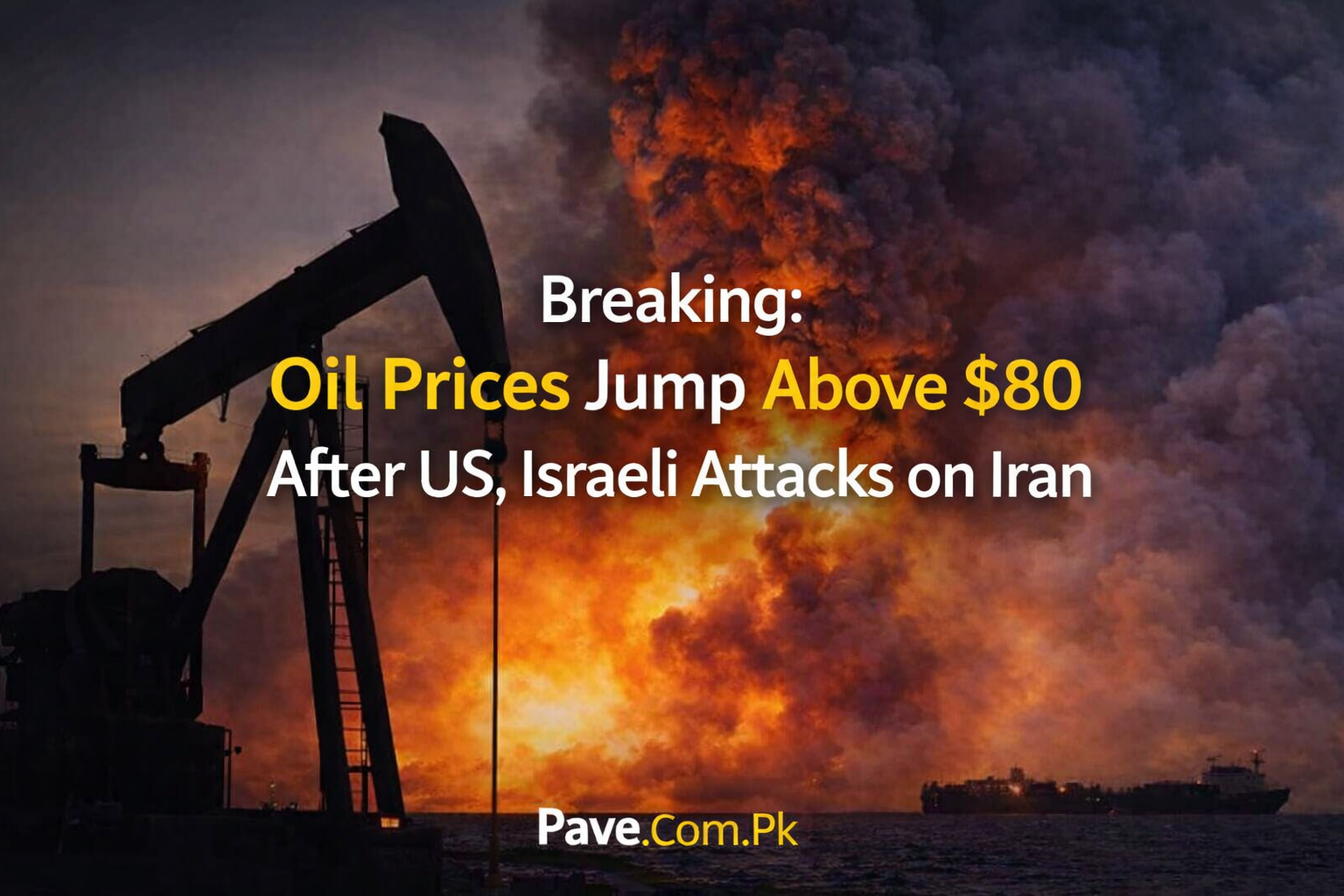
Oil markets around the world are seeing sharp rises after recent military strikes by the United States and Israel on Iran, which have escalated tensions in the Middle East and raised fears of major supply disruptions in global oil markets. The price of Brent crude topped $80 per barrel, marking one of the most significant price moves in months and drawing attention from governments, energy traders, and ordinary consumers alike.
What Triggered the Surge in Oil Prices?
The immediate cause of the oil price jump was coordinated military action by the US and Israel against Iran’s infrastructure and leadership targets. These attacks intensified existing conflict and sparked a broader regional security concern. As a result, markets reacted quickly to what is seen as a heightened geopolitical risk.
Here’s how the situation unfolded:
- The United States and Israel carried out airstrikes and military operations in Iran, significantly raising tensions.
- Iran responded with missile and drone action across surrounding areas.
- Major shipping lanes, including the Strait of Hormuz — through which about one-fifth of the world’s oil passes — faced disruption as maritime traffic slowed or rerouted.
This combination of conflict and risk to shipping routes pushed Brent crude higher, crossing the $80 mark and briefly testing even higher levels as traders priced in potential supply shortages.

Why This Matters: The Strait of Hormuz
One of the key reasons that oil prices spiked so sharply is the importance of the Strait of Hormuz. This narrow waterway between Iran and Oman is one of the most critical chokepoints for global energy supplies. Roughly 15-20% of all seaborne oil flows through this route each day.
When military action threatens operations in or around the Strait of Hormuz:
- Oil tankers avoid the area
- Transit costs rise
- Insurance premiums for shipping increase
- Buyers worry about long-term supply continuity
All of these factors drive oil prices up, even before any physical disruption to supply actually takes place.

Global Market Reaction
As soon as the news broke, global markets responded:
- Brent crude prices jumped above $80 — the first major surge in several months.
- West Texas Intermediate (WTI) also climbed significantly, showing that the impact was not limited to a single pricing benchmark.
- Stock markets dipped as investors moved money into safer assets like gold and government bonds.
- Some analysts warned that if tensions persist, oil prices could surge further — possibly towards $90 or even $100 per barrel.
These reactions reflect the way energy markets quickly price in future risk. Even temporary conflicts in key oil producing regions can have outsized effects on commodity prices.

Impact on Global Fuel Prices and Consumers
Higher crude oil prices eventually ripple through to local fuel markets:
- Petrol and diesel prices could rise in many countries.
- Transportation costs might increase, adding pressure to food and goods pricing.
- Inflation can be pushed up in economies already struggling with rising living costs.
In major consumer markets like the United States, analysts are already warning that retail gasoline prices could climb above $3 per gallon as a direct result of the conflict and oil market pricing.

Broader Geopolitical Signals
Conflicts involving Iran, the US, and Israel are about more than energy. They also touch on:
- Regional security and power balance
- Trade routes and maritime shipping
- Military alliances and defenses
- Foreign investment and risk sentiment
The Middle East has historically played a pivotal role in global energy flows. Events there often send shockwaves through bond, currency, equity, and commodity markets alike.
OPEC+ and Market Supply Strategies
In response to the rising prices and geopolitical risk, OPEC+ nations announced a modest increase in oil production quotas. Their goal was to help stabilize markets and offset some of the upward price pressure.
However, with wider concerns about global demand and the ability for supplies to physically move through contested regions, even added output may not be enough to fully calm market nerves.
What Analysts Are Saying
Analysts and commodities experts now see several possible scenarios:
- Continued conflict could keep oil above $80 for a prolonged period.
- Major shipping disruption through the Strait of Hormuz could push prices even higher.
- If tension eases, prices may retreat — but broader inflationary pressure could linger.
Some strategists also warn that markets may overreact at first, then adjust as more data becomes available. Still, the conflict has already imposed its own “risk premium” in oil pricing.
What This Means for Ordinary People
For average consumers around the world, the main concerns are:
- Higher petrol and diesel prices
- Increased cost of goods transported by road
- Rising inflation that affects everyday expenses
Even in countries far from the Middle East, fuel price changes ripple through transport, agriculture, and manufacturing sectors, affecting everything from grocery bills to airline fares.
Historical Context: Oil Shocks and Market Behavior
History shows that oil markets can react dramatically to geopolitical stress. In past decades, major conflicts in the Middle East have led to global price shocks, economic slowdowns, and policy shifts. While today’s situation is different from historical oil crises, the market psychology remains similar: uncertainty leads to price risk that markets price in immediately.
Final Thoughts
The recent jump of oil prices above $80 per barrel was not random. It was a direct market reaction to serious geopolitical escalation involving the US, Israel, and Iran, with key shipping routes and energy supplies facing heightened risk.
Moving forward, traders, governments, and consumers will be watching:
- The trajectory of the conflict
- Global stock levels and inventories
- Shipping and insurance trends
- Policy responses from producers and importing countries
Each of these factors will influence oil prices and global economic conditions in the weeks and months ahead.