Breaking: Finance Minister Rejects Petrol Subsidy Ahead of Expected Price Hike
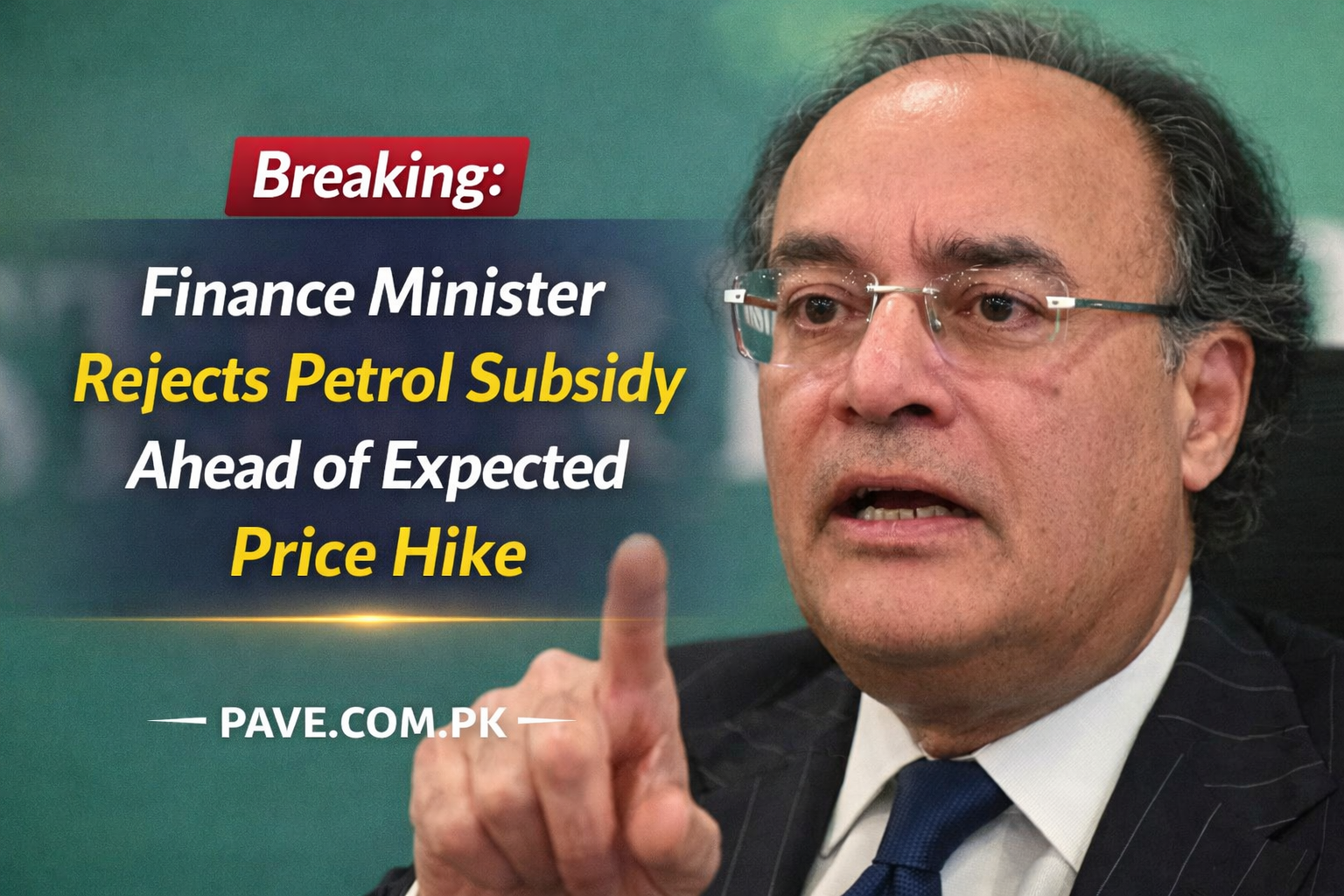
Pakistan’s finance leadership has confirmed that no petrol subsidy will be introduced, even as fuel prices are expected to rise in the upcoming review. The announcement has sparked concern among citizens already dealing with high inflation and rising living costs.
The government conducts a bi-weekly fuel price review, which determines the price of petrol and diesel based on global oil prices and currency fluctuations. With international crude oil prices showing an upward trend, analysts expect another increase in petroleum prices in Pakistan.
The Finance Minister emphasized that providing subsidies on fuel is not financially sustainable for the country, especially at a time when Pakistan is working to stabilize its economy and meet international financial commitments.
Why the Government Rejected a Petrol Subsidy
A petrol subsidy means the government pays part of the fuel cost so consumers can buy petrol at a lower price. While subsidies can provide short-term relief, they also place a heavy burden on government finances.
The Finance Ministry stated that Pakistan’s economic situation does not allow large subsidies because they can increase the fiscal deficit.
Several key reasons were cited for rejecting the subsidy:
- Limited government financial resources
- Commitments under international financial agreements
- The need to reduce budget deficits
- Economic reforms required for long-term stability
According to officials, providing subsidies on fuel could worsen the country’s fiscal challenges.

Global Oil Prices Are Rising
One of the major reasons behind the expected increase in petrol prices is the rise in global crude oil prices.
Oil prices fluctuate due to several global factors, including:
- Geopolitical tensions
- Supply and demand changes
- Production decisions by oil-producing countries
- Global economic conditions
When global oil prices increase, countries that import oil — including Pakistan — experience higher fuel costs.
Since Pakistan imports most of its petroleum products, global price changes directly affect domestic fuel prices.

How Petrol Prices Are Determined in Pakistan
Petrol prices in Pakistan are reviewed every two weeks by the government based on recommendations from the Oil and Gas Regulatory Authority.
Several factors influence fuel prices:
Global Oil Prices
The cost of crude oil in international markets is the most important factor.
Exchange Rate
Since oil imports are paid in US dollars, a weaker Pakistani rupee increases the cost of fuel.
Taxes and Levies
Government taxes such as the petroleum levy contribute significantly to the final price of petrol.
Distribution Costs
Costs related to transportation and distribution also affect retail prices.
Because of these factors, petrol prices often change frequently.

Impact of Rising Petrol Prices on Citizens
An increase in petrol prices affects almost every sector of the economy.
Fuel prices directly influence transportation costs, which in turn affect the prices of many goods and services.
Some major impacts include:
Higher Transportation Costs
Public transport fares often increase when petrol prices rise.
Increase in Food Prices
Transportation costs are included in food distribution, which can raise grocery prices.
Higher Inflation
Fuel price increases often lead to broader inflation across the economy.
Increased Household Expenses
Rising petrol costs reduce purchasing power for many families.
Because of these effects, fuel price changes are closely watched by the public.

Businesses Also Affected by Fuel Price Changes
Businesses rely heavily on transportation and logistics.
When petrol prices increase, operating costs for businesses also rise.
Industries that may be affected include:
- Transport and logistics companies
- Manufacturing industries
- Delivery and courier services
- Agriculture and food supply chains
Higher operating costs can lead to increased prices for consumers.
Government’s Economic Reform Strategy
The government says it is focusing on long-term economic stability rather than short-term relief measures.
Economic reforms currently focus on:
- Reducing the fiscal deficit
- Strengthening foreign exchange reserves
- Improving tax collection
- Reducing unnecessary government spending
Officials say that maintaining financial discipline is necessary to stabilize the national economy.
Subsidies, while helpful in the short term, can create larger economic problems if not carefully managed.
Role of International Financial Agreements
Pakistan is currently working to maintain financial stability through international financial support and economic reform programs.
These programs often require governments to reduce subsidies and improve fiscal discipline.
Fuel subsidies are usually discouraged because they increase government spending and reduce budget stability.
Economic experts say that reducing subsidies is often part of broader financial reform strategies.
Public Reaction to the Decision
The announcement that no petrol subsidy will be introduced has generated mixed reactions among the public.
Many citizens are concerned about the rising cost of living.
Fuel price increases can affect daily expenses such as transportation, groceries, and utility bills.
Some economists, however, argue that avoiding large subsidies may help stabilize the economy in the long term.
Balancing economic reforms with public relief remains a major challenge for policymakers.
Future Outlook for Fuel Prices
Fuel prices in Pakistan are expected to remain linked to global oil market trends.
Several factors could influence future fuel price changes:
- Global crude oil prices
- Currency exchange rate fluctuations
- Government tax policies
- International economic conditions
If global oil prices continue to rise, domestic petrol prices may also increase further.
However, if international oil markets stabilize, fuel prices may become more stable as well.
Possible Measures to Support Citizens
While the government has ruled out direct petrol subsidies, other measures may help reduce the burden on citizens.
Possible alternatives include:
- Targeted financial support programs
- Public transportation improvements
- Energy efficiency initiatives
- Renewable energy development
These strategies aim to reduce long-term dependence on imported fuel.
Conclusion
The decision by the Finance Minister to reject a petrol subsidy ahead of an expected fuel price increase reflects the government’s focus on economic stability and fiscal discipline.
While rising petrol prices may create challenges for citizens and businesses, policymakers argue that avoiding subsidies is necessary to protect the country’s financial health.
Fuel prices will continue to depend largely on global oil markets and currency fluctuations.
As Pakistan navigates economic reforms, balancing financial stability with public relief will remain one of the country’s biggest policy challenges.