
Punjab Govt Cuts Wheat Bag Price to Rs 5,500 — Big Relief for Farmers
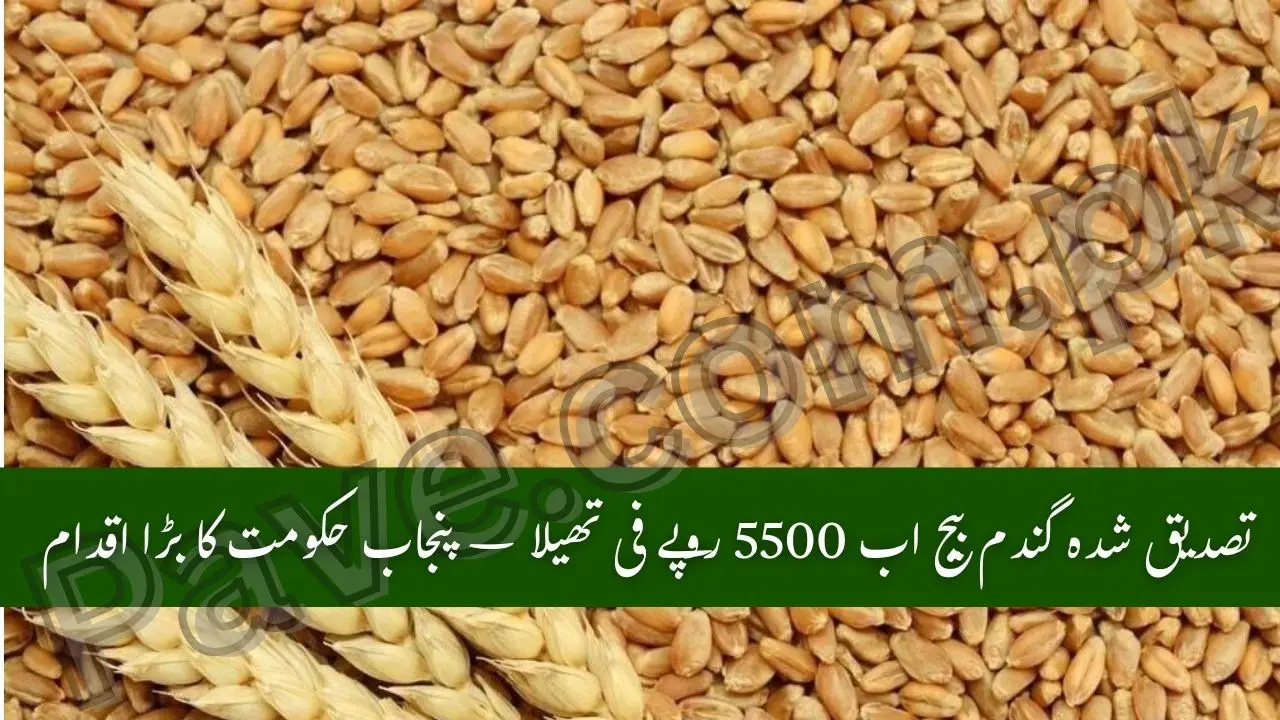
In a significant decision aimed at supporting farmers, the Punjab government has officially reduced the wheat bag price to Rs 5,500 for a 50kg bag. This move provides immediate relief to wheat growers who faced rising production costs and market instability.
Under the leadership of Chief Minister Maryam Nawaz Sharif, the initiative focuses on stabilizing the agriculture sector and ensuring fair returns for farmers across the province.
Earlier Rate vs New Wheat Price
Previously, the wheat bag price in Punjab stood at Rs 6,500, making it difficult for growers to sell their produce competitively. With the revised price set at Rs 5,500, farmers will now experience lower input pressure and improved market liquidity. The reduction highlights the government’s commitment to easing farmer burdens during the post-harvest period and promoting economic balance in the agriculture sector.

Objective Behind Wheat Price Cut
The decision reflects the government’s target of strengthening provincial food security and farmer welfare. Officials explained that the subsidy and price control approach aims to empower small and medium-scale growers who form the backbone of Punjab’s wheat production. By supporting wheat growers at the critical procurement stage, Punjab aims to keep markets stable and avoid exploitation by private buyers.

Immediate Benefits for Farmers
Farmers are expected to benefit through:
• Fair market competition
• Reduction in unsold wheat stock pressure
• Relief from high production expense recovery
• Boost in agriculture income cycle
Read Also: Breaking News: PM Youth Laptop Scheme Phase IV 2025 – Apply Online for Free Laptops
This price reform enables growers to sell wheat with confidence and ensures they receive a fair value for their hard work.

Government’s Farmer-Friendly Policy Vision
The wheat price reduction aligns with Maryam Nawaz’s agriculture reform agenda, which includes subsidy programs, modern farming support, and market relief policies. The government has repeatedly emphasized its dedication to secure farmers’ livelihoods and promote agricultural sustainability. This wheat price decision also strengthens trust between farmers and government institutions.

Wheat Bag Rate & Subsidy Structure
The Rs 5,500 price includes provincial government subsidy assistance and procurement policy planning. The scheme will operate through designated wheat procurement centers and registered wheat buyers. Farmers will be required to provide land ownership and crop verification for supply at official government points.
Positive Reaction From Farming Community
Agriculture associations and wheat growers throughout Punjab have welcomed the announcement with appreciation, calling it a “timely economic relief.” Many farmers expressed hope that this step will stabilize wheat trade, reduce exploitation, and improve agriculture planning for the next cropping cycle.
Market and Agriculture Impact
Experts believe this initiative will:
• Strengthen agricultural supply chain
• Reduce hoarding and artificial price inflation
• Encourage farmers to continue wheat cultivation
• Improve overall food security across Punjab
With nearly 70 percent of Pakistan’s wheat coming from Punjab, the impact of this relief package is expected to be widespread and long-term.
Read Also: Punjab Announces Monthly Rs 25,000 Stipend for 65,000 Mosque Imams
Future Agriculture Support Plans
Officials hinted that more agriculture welfare programs are underway, including fertilizer subsidies, machinery support, and irrigation development. Punjab aims to modernize farming through training, loans, and smart agriculture initiatives to boost crop performance and farm income.
Punjab Govt Wheat Bag Price Rs 5,500 Conclusion
The wheat bag price reduction to Rs 5,500 marks a major milestone in farmer support policy for 2025. By easing market pressure and guaranteeing fair returns, Punjab has taken a bold step to secure agricultural growth and farmer prosperity. Farmers across the province are optimistic, viewing this decision as a strong start to broader agricultural reform and support programs.