
Breaking: Ongoing War Could Disrupt Global Energy Routes, Raise Logistics Costs – Commerce Minister
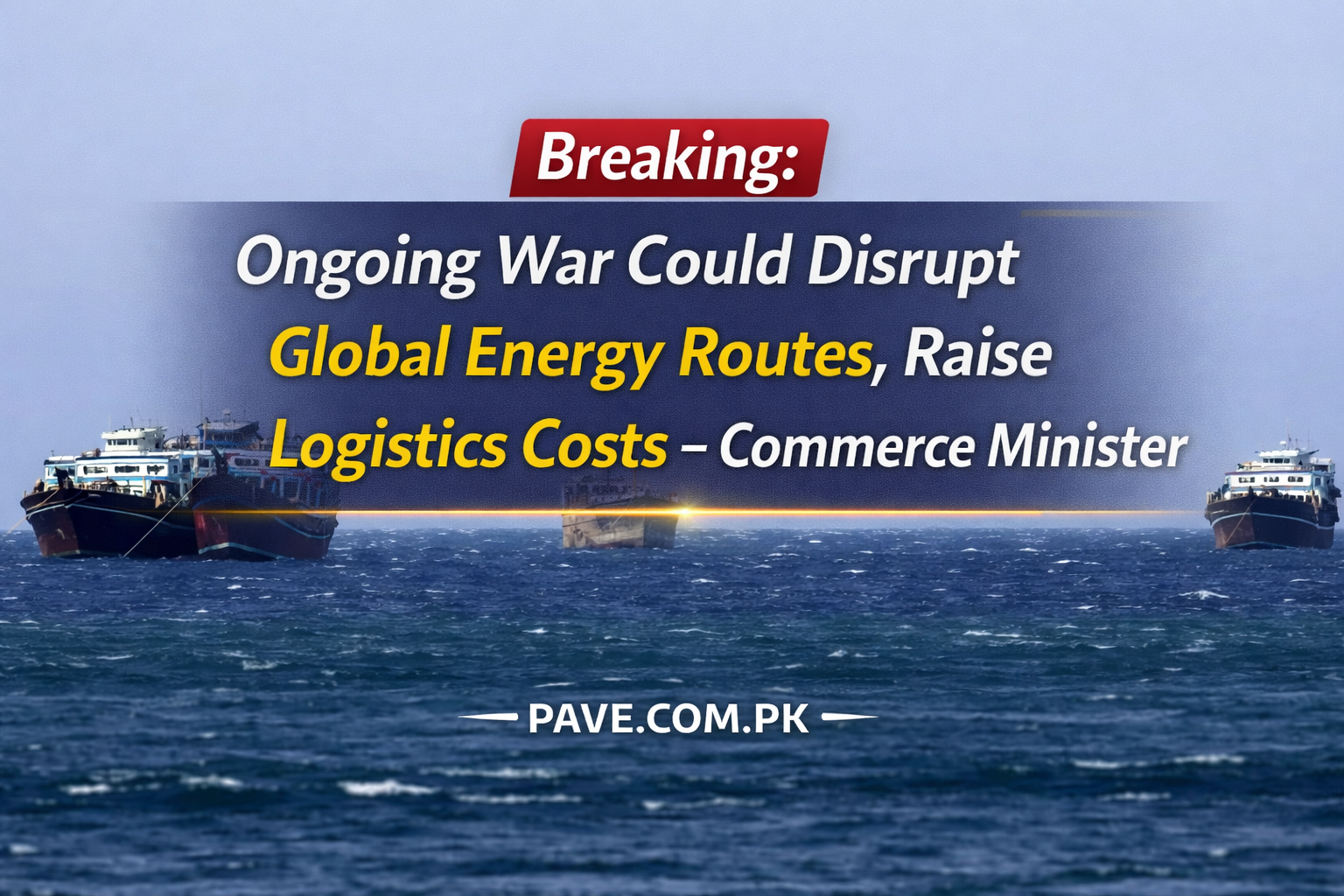
The global economy could face serious challenges as ongoing geopolitical conflicts threaten to disrupt major energy transportation routes. Pakistan’s Commerce Minister has warned that the continuing war in key regions could significantly impact global energy supply chains, increase shipping costs, and create pressure on international trade.
According to the minister, instability in strategic maritime corridors and energy transit routes may lead to higher transportation costs and delays in fuel shipments. These disruptions could affect oil-importing countries like Pakistan and create volatility in global markets.
This warning comes at a time when the world is already dealing with fluctuating oil prices, rising inflation, and fragile supply chains.
Why Global Energy Routes Are Important
Energy transportation routes play a critical role in the global economy. Oil, gas, and other energy resources are transported across continents through shipping routes, pipelines, and maritime trade corridors.
Some of the world’s most important energy routes include:
- The Strait of Hormuz
- The Suez Canal
- The Bab el-Mandeb Strait
- Major pipeline networks in Asia and Europe
These routes handle a significant portion of the world’s oil and natural gas shipments.
Any disruption in these strategic corridors can lead to delays, price increases, and instability in global energy markets.

War and Geopolitical Tensions Impact Supply Chains
Geopolitical conflicts often disrupt supply chains because they affect transportation infrastructure and shipping security.
When conflicts escalate near major energy routes, shipping companies may face increased risks, including:
- Maritime security threats
- Delayed shipping schedules
- Higher insurance costs
- Changes in shipping routes
These disruptions can force shipping companies to take longer routes, increasing the overall cost of transporting energy resources.

Rising Logistics Costs Could Affect Global Trade
The Commerce Minister emphasized that disruptions in energy transportation routes can significantly increase global logistics costs.
Shipping costs depend on several factors including:
- Distance traveled
- Fuel costs
- Security risks
- Insurance premiums
When ships must avoid conflict zones, they often take longer routes, which increases fuel consumption and operational expenses.
These higher logistics costs eventually impact businesses and consumers around the world.

Impact on Oil Prices
One of the biggest concerns related to disrupted energy routes is the potential rise in oil prices.
Oil prices are highly sensitive to supply disruptions.
When supply becomes uncertain, markets often react quickly, leading to higher prices.
If energy shipments are delayed or reduced due to war-related disruptions, global oil prices may rise sharply.
Higher oil prices affect multiple sectors including:
- Transportation
- Manufacturing
- Agriculture
- Power generation
Countries that rely heavily on imported fuel are particularly vulnerable to these changes.

Pakistan’s Dependence on Imported Energy
Pakistan imports a large portion of its oil and energy requirements from international markets.
Because of this dependency, disruptions in global energy supply routes can directly affect Pakistan’s economy.
Possible consequences include:
- Higher fuel prices
- Increased electricity generation costs
- Rising transportation expenses
- Higher inflation
Energy imports are a major part of Pakistan’s trade balance, so any increase in global oil prices can put additional pressure on the national economy.
Global Shipping Industry Under Pressure
The global shipping industry is already dealing with multiple challenges including rising fuel costs and supply chain disruptions.
If geopolitical tensions continue to escalate, shipping companies may face additional challenges such as:
- Rerouting vessels away from conflict zones
- Increased security requirements
- Higher insurance costs for cargo
Shipping companies may also pass these increased costs on to businesses and consumers.
As a result, global trade may become more expensive.
Effects on International Trade
Energy routes are closely connected to global trade networks.
When energy transportation becomes more expensive or difficult, it affects the entire supply chain.
Industries that rely heavily on international shipping include:
- Manufacturing
- Technology production
- Automotive industries
- Consumer goods distribution
Higher shipping costs can increase the prices of products worldwide.
This is one reason why geopolitical conflicts often lead to broader economic consequences.
Economic Risks for Developing Countries
Developing economies are especially vulnerable to global supply disruptions.
Countries that rely heavily on imports for energy and raw materials may face greater economic pressure.
Possible economic risks include:
- Currency depreciation
- Rising inflation
- Increased cost of living
- Reduced economic growth
Governments often need to adjust economic policies to manage these risks.
Global Energy Security Concerns
Energy security has become a major global issue in recent years.
Countries are increasingly looking for ways to diversify their energy sources and reduce dependence on unstable supply routes.
Some strategies being explored include:
- Expanding renewable energy sources
- Increasing domestic energy production
- Developing alternative trade routes
- Investing in strategic energy reserves
These strategies aim to reduce the risks associated with geopolitical disruptions.
Possible Long-Term Implications
If conflicts continue to affect energy transportation routes, the global economy may experience long-term changes.
These may include:
- Higher global energy prices
- Increased focus on renewable energy
- New trade alliances
- Investment in alternative shipping routes
Some countries may also accelerate their transition toward clean energy technologies to reduce reliance on fossil fuels.
Government Response and Economic Planning
Governments around the world are closely monitoring the situation.
Economic policymakers are evaluating possible strategies to reduce the impact of energy supply disruptions.
Possible measures include:
- Strengthening trade partnerships
- Increasing energy reserves
- Encouraging domestic energy production
- Promoting energy efficiency programs
These steps can help countries prepare for potential supply disruptions.
Conclusion
The Commerce Minister’s warning about the potential disruption of global energy routes due to ongoing war highlights the serious economic risks facing the world today.
Energy transportation routes are critical to the stability of global markets, and any disruption can lead to higher logistics costs, rising oil prices, and economic uncertainty.
For countries like Pakistan that rely heavily on imported fuel, these developments could have significant economic implications.
As geopolitical tensions continue, governments, businesses, and international organizations will need to work together to ensure the stability of global supply chains and energy markets.