Who Will Be the Next Target After Iran? Inside the Alleged US Global Plan
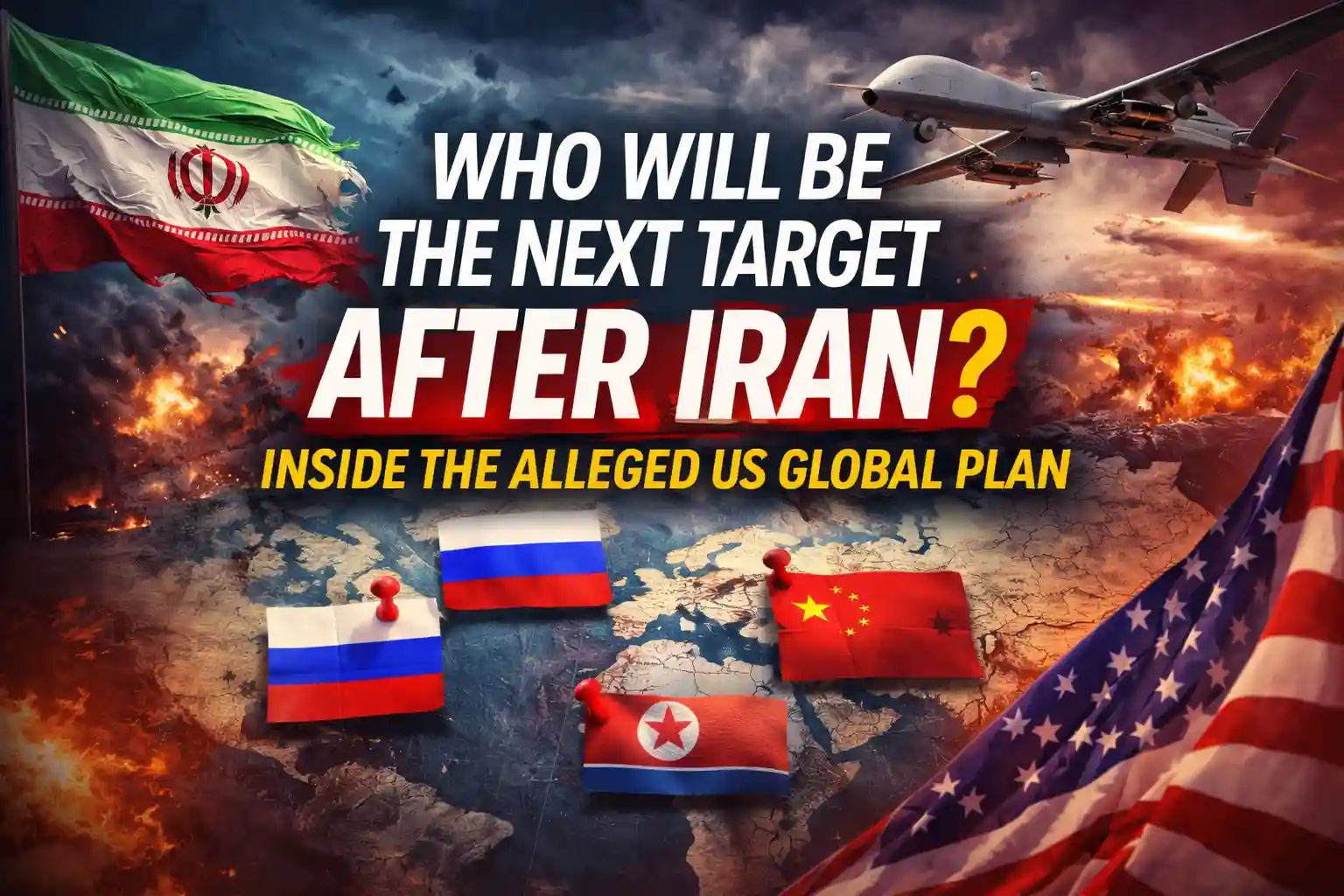
Global geopolitics has entered a tense phase following the escalation of military conflict involving the United States, Israel, and Iran. In recent months, reports of airstrikes, military operations, and political statements have intensified speculation about what could happen next. Many analysts, journalists, and political observers are asking an important question: Who will be the next target after Iran if tensions continue to escalate?
While some narratives on social media claim there is a larger “US global plan,” the reality is far more complex. Military strategies, alliances, regional politics, and international diplomacy all influence global decisions. This article explores the geopolitical context behind the Iran conflict, the speculation surrounding future targets, and the possible scenarios that could shape international security in the coming years.
Understanding the Current US–Iran Conflict
The conflict between the United States and Iran has deep historical roots. Tensions increased dramatically after the United States withdrew from the 2015 Iran nuclear deal (JCPOA) and reintroduced sanctions on Tehran. Over time, confrontations expanded through proxy conflicts across the Middle East.
Recently, the situation escalated further as military strikes targeted Iranian infrastructure and leadership figures. The conflict has already spread beyond Iran’s borders, with attacks and retaliatory actions affecting multiple countries in the region.
Iran has responded with missile and drone attacks targeting regional allies of the United States and Israel, raising fears that the conflict could expand into a wider regional war.
These developments have triggered intense speculation about the next phase of global military strategy.

Why Some Analysts Talk About a “US Global Plan”
The idea of a broader US strategy often appears in political commentary and strategic analysis. Some observers believe the United States aims to reshape security dynamics in the Middle East by weakening hostile regimes or limiting their military capabilities.
Several factors contribute to this perception:
1. Strategic Alliances
The United States maintains strong alliances with countries such as Israel, Saudi Arabia, and NATO partners.
2. Containment Strategy
Historically, US foreign policy has focused on containing perceived threats to global stability.
3. Military Presence
The United States operates military bases and naval fleets across the Middle East, Europe, and Asia.
4. Counterterrorism Operations
Many US military operations are justified as efforts to combat extremist groups and protect international security.
These policies sometimes create the impression of a larger coordinated global strategy.

Potential Regions Often Mentioned in Speculation
It is important to note that speculation about future targets is largely based on geopolitical analysis rather than confirmed policy decisions. Experts often mention several regions where tensions already exist.
Middle East
The Middle East remains one of the most sensitive geopolitical regions in the world. Countries frequently mentioned in discussions include:
- Syria
- Yemen
- Lebanon
- Iraq
Many of these areas are connected to Iran through political alliances or proxy groups.
For example, Iran-backed groups in Yemen have previously been targeted by US and allied strikes due to attacks on shipping routes and regional security threats.
The Caucasus and Central Asia
Another region drawing attention is the South Caucasus. Recent accusations of drone attacks in Azerbaijan have raised concerns about how regional tensions might spread beyond the Middle East.
Because this area sits between Europe and Asia, any conflict could impact energy routes, international trade, and military alliances.
East Asia and Global Power Rivalries
Some analysts expand the discussion beyond the Middle East to include global power competition involving:
- China
- Russia
- North Korea
Certain political leaders in the United States have referred to these countries as part of a broader strategic challenge to Western influence.
However, these rivalries are primarily political, economic, and technological rather than immediate military targets.

Why Pakistan Is Sometimes Mentioned in Rumors
In some online discussions, Pakistan has been mentioned as a potential future target after Iran. However, officials have strongly rejected these claims.
A senior security official in Pakistan recently dismissed speculation that Pakistan could become a target of US or Israeli military action, describing such narratives as unfounded and misleading.
Pakistan’s diplomatic relations with multiple global powers and its strategic role in regional stability make such scenarios highly unlikely.
The Role of Proxy Conflicts
Modern conflicts rarely involve direct wars between major powers. Instead, many disputes occur through proxy groups, militias, and regional alliances.
Examples include:
- Armed groups in Lebanon
- Militias in Iraq
- Houthi forces in Yemen
These conflicts often allow countries to exert influence without engaging in full-scale war.
Because of this, analysts believe the next stage of tensions may involve proxy confrontations rather than direct attacks on sovereign nations.
Possible Scenarios After the Iran Conflict
Several scenarios could unfold depending on how the current conflict evolves.
Scenario 1: Regional Escalation
If hostilities continue, fighting could expand to neighboring countries involved in the conflict.
This might include attacks on military bases, shipping routes, or allied forces.
Scenario 2: Diplomatic Negotiations
Another possibility is renewed diplomatic engagement. Historically, major conflicts have often led to negotiations after initial escalation.
International organizations and global powers may attempt to broker peace talks.
Scenario 3: Internal Political Changes
Some analysts believe internal political developments inside Iran could influence the future direction of the conflict.
Leadership changes or domestic political shifts may alter the country’s foreign policy.
Scenario 4: Long-Term Strategic Competition
The conflict may also evolve into a long-term geopolitical rivalry similar to the Cold War.
In such a scenario, tensions would continue through economic sanctions, cyber operations, and political pressure rather than open warfare.
Global Consequences of Expanding Conflict
If the conflict spreads beyond Iran, the impact could be felt worldwide.
Economic Effects
Global oil prices often rise during Middle Eastern conflicts because the region produces a significant portion of the world’s energy supply.
Security Concerns
Countries may increase military spending and strengthen alliances in response to rising tensions.
Humanitarian Impact
Regional conflicts often lead to displacement, economic hardship, and humanitarian crises.
Why Predictions About “Next Targets” Are Often Unreliable
Predicting future military targets is extremely difficult because international relations change rapidly.
Decisions depend on:
- Political leadership
- Military assessments
- Diplomatic negotiations
- Global public opinion
- Economic factors
As a result, many predictions about future conflicts remain speculative rather than factual.
The Importance of Diplomatic Solutions
Most global leaders recognize that large-scale wars create long-term instability.
Diplomatic solutions such as negotiations, international agreements, and conflict mediation remain essential tools for preventing further escalation.
Organizations like the United Nations and regional alliances often play key roles in promoting dialogue between rival states.
Conclusion
The question of “Who will be the next target after Iran?” reflects widespread anxiety about rising global tensions. While speculation about a larger US global strategy continues to circulate online, there is no confirmed list of future targets.
Current developments suggest that the conflict surrounding Iran could influence regional politics, proxy conflicts, and global power dynamics. However, the future remains uncertain.
Rather than focusing on speculation, most experts emphasize the importance of diplomacy, international cooperation, and conflict resolution to prevent further escalation.
In an interconnected world, maintaining stability requires careful political decisions and sustained global dialogue.
FAQs Who Will Be the Next Target After Iran
Who could be the next target after Iran according to analysts?
Some geopolitical analysts discuss regions with existing tensions, such as Syria, Yemen, or Lebanon. However, these discussions are speculative and not based on confirmed policy decisions.
Is there an official US plan targeting other countries?
There is no verified evidence of an official US plan that lists future military targets after Iran. Most discussions about such plans come from political commentary or speculation.
Could the Iran conflict spread to other countries?
Yes, regional conflicts sometimes spread through alliances and proxy groups, which could affect neighboring countries in the Middle East.
Is Pakistan at risk after Iran?
Officials in Pakistan have rejected claims that the country could become a target, describing such rumors as baseless speculation.
Why is the Middle East often involved in global conflicts?
The Middle East is strategically important because of its energy resources, geographic location, and complex political alliances.