Pakistan Can Earn Billions as Global Cargo Diverts from War Zone
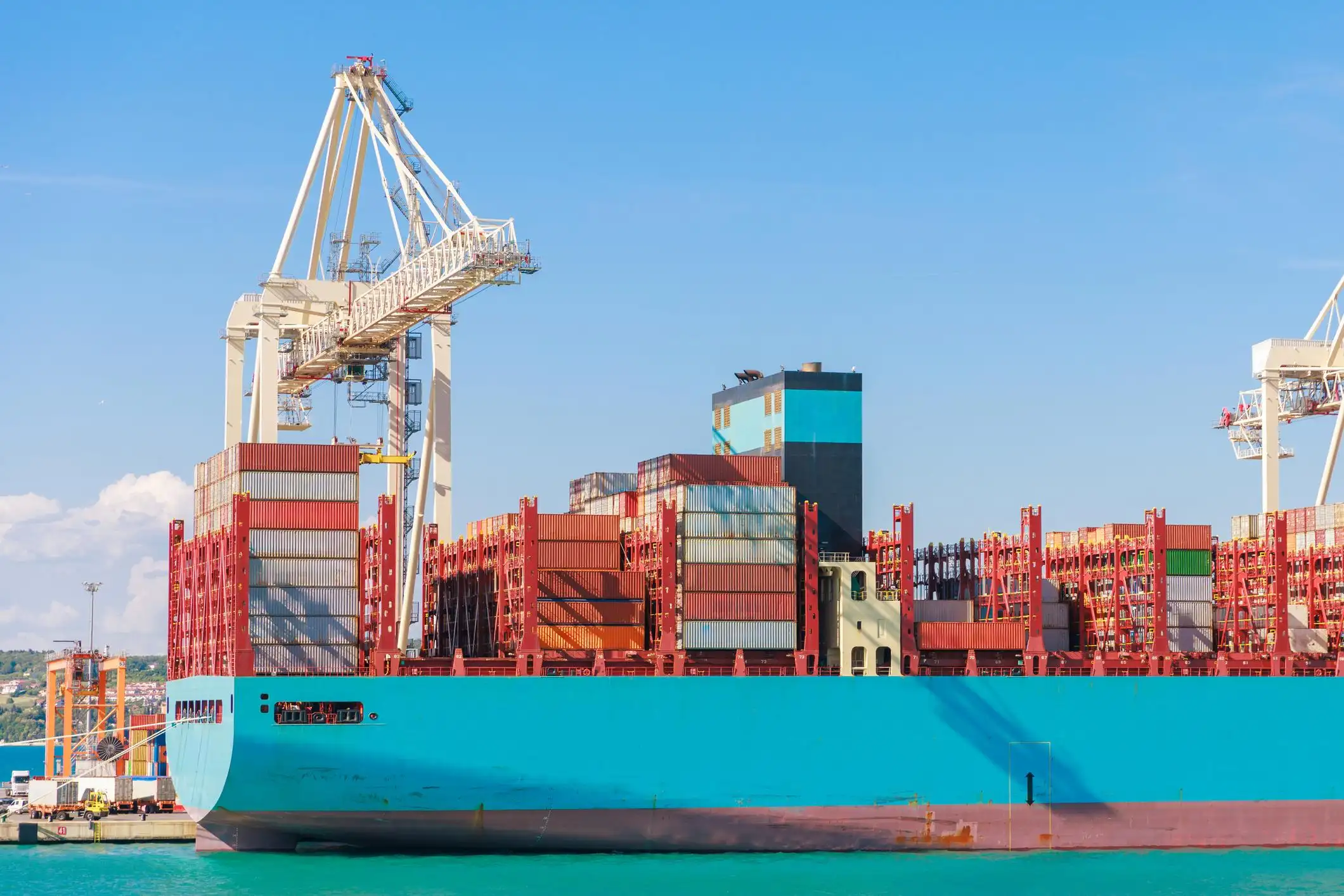
The ongoing geopolitical conflict in the Middle East is disrupting international shipping routes and global maritime trade. While many countries are facing economic uncertainty due to the crisis, Pakistan could potentially turn this challenge into a major economic opportunity.
Industry experts believe that Pakistan could earn billions of dollars in foreign exchange by attracting diverted cargo shipments that are avoiding conflict zones. The Pakistan Ships Agents Association (PSAA) has urged the government to introduce urgent regulatory reforms so that Pakistani ports can handle increased transshipment cargo.
This development has generated strong interest online, with people searching for topics such as:

- Pakistan diverted cargo opportunity
- Pakistan maritime trade earnings
- transshipment cargo Pakistan ports
- Middle East shipping disruption impact Pakistan
- Pakistan port business opportunity
- Karachi port cargo diversion news
This article explains the full situation, how Pakistan can benefit from diverted cargo, the role of policy reforms, and the economic potential for the country’s shipping sector.
Why Global Shipping Routes Are Changing
The ongoing war and rising tensions in the Middle East have disrupted shipping routes across the region. Key maritime routes near the Strait of Hormuz and surrounding Gulf waters have become risky for cargo vessels.
Shipping companies are now searching for alternative ports and safer transit routes to continue global trade operations.
Major Reasons for Cargo Diversions
- Security risks in conflict zones
- Delays in major shipping routes
- Higher insurance costs for vessels
- Limited tanker movement through the Gulf
These disruptions are forcing global cargo operators to reroute shipments through alternative regional ports.
Pakistan’s Strategic Geographic Advantage
Pakistan’s geographic location provides a major advantage in global maritime trade. The country lies near some of the world’s busiest shipping lanes connecting:
- Asia
- the Middle East
- Africa
- Europe
Because of this strategic position, Pakistani ports could serve as important alternative transshipment hubs during periods of regional instability.
Major Ports in Pakistan
- Karachi Port
- Port Qasim
- Gwadar Port
These ports have the potential to handle large volumes of cargo if proper infrastructure and policies are in place.
Pakistan Ships Agents Association Proposal
The Pakistan Ships Agents Association (PSAA) has formally requested the government to update transshipment rules so Pakistan can benefit from diverted cargo.
In a letter sent to the Chairman of the Federal Board of Revenue (FBR), Rashid Mahmood Langrial, the association emphasized the need for immediate action.
PSAA Chairman Mohammed A. Rajpar highlighted that the ongoing regional conflict has created a rare opportunity for Pakistan to expand its maritime trade.
What Is Transshipment Cargo?
Transshipment cargo refers to goods that are temporarily unloaded at one port before being transferred to another vessel for delivery to their final destination.
How Transshipment Works
- Cargo arrives at a regional port.
- It is temporarily stored.
- It is then loaded onto another ship heading to its final destination.
Major global transshipment hubs include:
- Singapore
- Dubai
- Hong Kong
- Rotterdam
Pakistan could potentially join this list if its policies support cargo handling.
Current Challenges in Pakistan’s Transshipment System
Despite the opportunity, Pakistan currently faces several logistical and regulatory limitations.
One of the main issues highlighted by the Pakistan Ships Agents Association is limited storage capacity at port terminals.
Major Problems
- Cargo cannot be stored at off-dock terminals
- Limited space at existing port facilities
- Strict customs regulations
These restrictions prevent Pakistan from handling large volumes of international transshipment cargo.
Request for Policy Reform
To solve these problems, PSAA has asked the government to introduce a Special Regulatory Order (SRO) amendment.
The amendment would allow international transshipment cargo to be stored at off-dock terminals.
Benefits of the Proposed Reform
- Increased storage capacity
- Faster cargo handling
- Ability to accommodate more international shipments
- Improved competitiveness of Pakistani ports
Industry experts believe that quick policy changes could allow Pakistan to capture a significant share of diverted cargo traffic.
Potential Economic Benefits for Pakistan
If Pakistan successfully attracts diverted cargo shipments, the country could generate billions of dollars in revenue.
Economic Advantages
- Increased port handling fees
- Higher customs revenues
- Growth in logistics and shipping industries
- Job creation in port operations
- Increased foreign exchange earnings
The maritime sector could become an important driver of economic growth.
Impact on Pakistan’s Port Cities
Greater cargo activity would benefit cities that host major ports.
Key Beneficiary Cities
- Karachi
- Gwadar
- Port Qasim region
Increased shipping activity could boost:
- transportation industries
- warehouse businesses
- freight forwarding companies
- port service providers
This could significantly strengthen the local economy.
Gwadar Port’s Role in Regional Trade
Gwadar Port has long been promoted as a major trade hub under the China-Pakistan Economic Corridor (CPEC) initiative.
The diversion of cargo could provide Gwadar with an opportunity to increase international shipping traffic.
If supported by proper infrastructure and policies, Gwadar could become a major regional logistics center.
Global Shipping Industry Response
Shipping companies constantly adjust routes based on safety, efficiency, and cost.
During times of geopolitical tension, cargo operators prioritize ports that offer:
- Security
- Efficient customs clearance
- Adequate storage capacity
- Fast turnaround times
Pakistan must improve its port operations to compete with established regional hubs.
Importance of Quick Government Action
Industry experts warn that the opportunity created by diverted cargo may be temporary.
If Pakistan fails to act quickly, cargo operators may choose alternative ports in nearby countries.
Competitors in the Region
- UAE ports
- Oman ports
- Saudi Arabian ports
- Indian ports
These countries are also trying to attract cargo diverted due to regional conflicts.
Maritime Trade and Pakistan’s Economic Future
The shipping and logistics sector plays a vital role in global trade.
Countries with efficient port infrastructure often become major international trade hubs.
For Pakistan, improving port operations could support:
- Export growth
- International trade connectivity
- Regional economic integration
Capturing diverted cargo could be an important step toward strengthening Pakistan’s maritime economy.
Lessons from Global Port Hubs
Major transshipment hubs like Singapore and Dubai succeeded because they invested heavily in:
- Modern port infrastructure
- Efficient customs systems
- Logistics services
- Business-friendly regulations
Pakistan could adopt similar strategies to enhance its competitiveness.
Government and Industry Cooperation
For Pakistan to fully benefit from diverted cargo opportunities, close cooperation between government institutions and industry stakeholders is essential.
Key participants include:
- Federal Board of Revenue (FBR)
- Ministry of Maritime Affairs
- Pakistan Ports Authority
- shipping companies
- logistics operators
Together, they can develop policies that attract international trade.
Future Outlook for Pakistan’s Shipping Industry
The current global crisis may present a unique opportunity for Pakistan to expand its role in maritime trade.
If policy reforms are implemented quickly, Pakistan could:
- increase cargo throughput
- strengthen port infrastructure
- become a regional logistics hub
However, success will depend on efficient planning, regulatory reforms, and infrastructure investment.
Conclusion
The disruption of global shipping routes due to ongoing conflict in the Middle East has created a rare economic opportunity for Pakistan. With its strategic location and growing port infrastructure, the country could potentially attract large volumes of diverted cargo and generate significant revenue.
However, to capitalize on this opportunity, Pakistan must quickly implement regulatory reforms, improve port logistics, and enhance cargo storage capacity. If the government and industry stakeholders act swiftly, Pakistan could strengthen its position as a regional maritime hub and unlock billions of dollars in economic benefits.