Israel Iran Conflict Latest News | Iran vs Israel War Updates
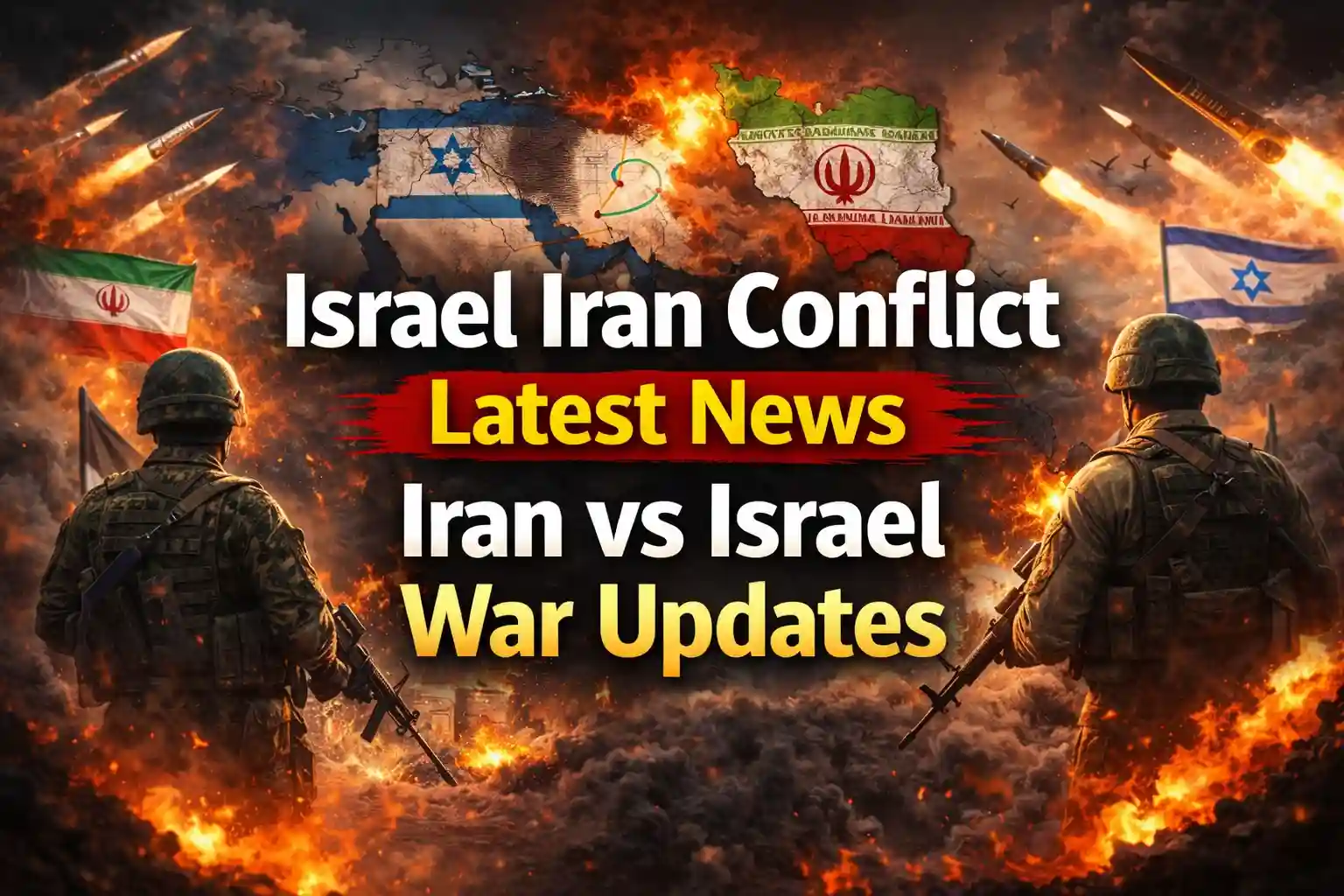
The Israel Iran conflict has become one of the most serious geopolitical crises in the Middle East in 2026. Rising tensions between the two nations have resulted in airstrikes, missile attacks, and growing fears of a wider regional war. The conflict involves not only Israel and Iran but also other regional actors and global powers, making it a major international issue.
In recent weeks, the situation has escalated rapidly with military operations, retaliatory strikes, and diplomatic tensions increasing across the region. Governments, analysts, and international organizations are closely monitoring the Iran vs Israel war updates because the conflict could affect global security, oil markets, and international relations.
This article explains the latest news about the Israel Iran conflict, the background of the rivalry, major military developments, regional impact, and possible future outcomes.
Israel Iran Conflict Latest News 2026
Recent reports indicate that the conflict intensified after large scale military operations targeted key sites in Iran. Israeli forces have carried out multiple airstrikes on Iranian military facilities, missile bases, and security centers as part of a broader campaign aimed at weakening Iran’s military capabilities.
In response, Iran launched missile attacks toward Israel and other strategic locations in the region. These attacks marked a major escalation and demonstrated Iran’s ability to retaliate with long range missile systems.
The conflict has already resulted in heavy casualties and destruction in several areas, while regional tensions continue to grow.
Experts warn that if the fighting continues, it could evolve into a broader Middle East conflict involving additional countries and armed groups.

Iran vs Israel War Updates and Military Developments
The current war between Israel and Iran involves a variety of modern military strategies including airstrikes, missile warfare, cyber operations, and drone attacks.
Israeli Military Operations
Israel has focused on targeting Iran’s military infrastructure and strategic facilities. These operations include attacks on missile storage locations, air defense systems, and command centers.
The goal of these operations is to weaken Iran’s military capability and prevent potential threats from developing further.
Several airstrikes have been reported in cities including Tehran and Isfahan, where key military installations are located.
Iranian Retaliation
Iran responded by launching missile and drone attacks toward Israeli territory and regional military bases. Some reports indicate that Iranian forces targeted important infrastructure and military facilities as part of their response.
Iran has also warned that it could target strategic Israeli locations if the conflict continues to escalate.

Historical Background of the Israel Iran Conflict
To understand the current crisis, it is important to examine the long history of hostility between Iran and Israel.
Iran and Israel previously maintained diplomatic relations before the 1979 Iranian Revolution. After the revolution, relations between the two countries deteriorated dramatically, and Iran adopted a strongly anti Israel position.
Since then, tensions have grown due to ideological differences, geopolitical rivalry, and regional power struggles.
Proxy Conflicts Between Iran and Israel
For decades, Iran and Israel have engaged in indirect conflict through regional allies and militant groups.
Iran has supported organizations such as Hezbollah and other armed groups that oppose Israel, while Israel has conducted military operations against Iranian backed forces in countries like Syria and Lebanon.
This long running proxy war has contributed significantly to the ongoing hostility between the two nations.
Experts often describe this rivalry as a shadow war that occasionally erupts into direct confrontation.
Nuclear Tensions Between Israel and Iran
One of the biggest causes of the Israel Iran conflict is Iran’s nuclear program.
Israel has repeatedly expressed concern that Iran could develop nuclear weapons, which Israel views as a major security threat. Iran, however, insists that its nuclear activities are intended for peaceful purposes such as energy production.
International negotiations and inspections have attempted to manage these tensions, but disagreements and mistrust have continued for many years.
Recent military strikes have also targeted facilities associated with Iran’s nuclear infrastructure, further intensifying the conflict.

Regional Impact of the Iran Israel War
The war between Israel and Iran is not limited to the two countries. It has significant implications for the entire Middle East region.
Lebanon and Hezbollah
Hezbollah, a powerful militant group based in Lebanon and supported by Iran, has been involved in the conflict by launching rockets toward Israeli territory.
This has created another front in the conflict, increasing the risk of a wider regional war.
Gulf Region Security
Military actions have also affected several countries in the Gulf region, where attacks have targeted military bases and infrastructure linked to international forces.
These developments have raised concerns about stability in the region and the safety of global energy supply routes.
Economic Impact of the Israel Iran Conflict
The conflict has also affected global markets and economic stability.
Rising tensions in the Middle East have caused fluctuations in oil prices and financial markets. Investors worry that prolonged conflict could disrupt energy supply routes, particularly in strategic areas like the Strait of Hormuz.
Airlines, shipping companies, and international businesses are also closely monitoring the situation because regional instability can affect trade and transportation.
In addition, several countries have taken precautionary measures such as suspending flights and strengthening security in response to the conflict.
Global Reactions to the Iran Israel War
The international community has expressed serious concern over the escalation.
Many governments and international organizations have called for restraint and diplomatic dialogue to prevent further violence.
Major global powers including the United States, Russia, China, and European nations are closely monitoring the situation because the conflict could have far reaching consequences for international security.
Diplomatic efforts continue in an attempt to reduce tensions and encourage negotiations.
Possible Future Scenarios of the Conflict
Experts believe there are several possible outcomes for the ongoing Israel Iran war.
Regional War
If additional countries or armed groups join the conflict, it could develop into a large scale regional war.
Diplomatic Resolution
International pressure could lead to negotiations and ceasefire agreements that reduce tensions.
Long Term Military Standoff
Another possibility is a prolonged period of military confrontation without a decisive outcome.
The future of the conflict remains uncertain, and developments continue to unfold rapidly.
Conclusion
The Israel Iran conflict is one of the most complex and dangerous geopolitical crises in the modern Middle East. Recent military operations, retaliatory strikes, and escalating tensions have raised fears of a broader regional war.
The rivalry between the two countries has deep historical roots involving ideological differences, nuclear concerns, and regional power struggles. As the conflict continues to evolve, the world is closely watching the Iran vs Israel war updates to understand its impact on global security and stability.
Diplomatic efforts remain crucial in preventing further escalation and restoring peace in the region.
FAQs Israel Iran Conflict Latest News
What is the Israel Iran conflict about?
The Israel Iran conflict is mainly driven by geopolitical rivalry, Iran’s nuclear program, and Iran’s support for groups that oppose Israel.
When did the latest Iran Israel conflict escalate?
The most recent escalation occurred in early 2026 after large scale airstrikes and missile attacks between the two countries.
Why are Israel and Iran enemies?
Relations became hostile after the Iranian Revolution in 1979, when Iran ended diplomatic relations with Israel and adopted an anti Israel policy.
Could the Iran Israel war become a regional conflict?
Yes. The involvement of regional groups and military bases in the Middle East has increased the risk of a wider regional war.
How does the conflict affect the global economy?
The conflict can influence global oil prices, trade routes, and financial markets because the Middle East is a key region for energy production and transportation.