
US-Iran War Alerts – Iran Launches New Round Of Strikes Against US/Israel Targets
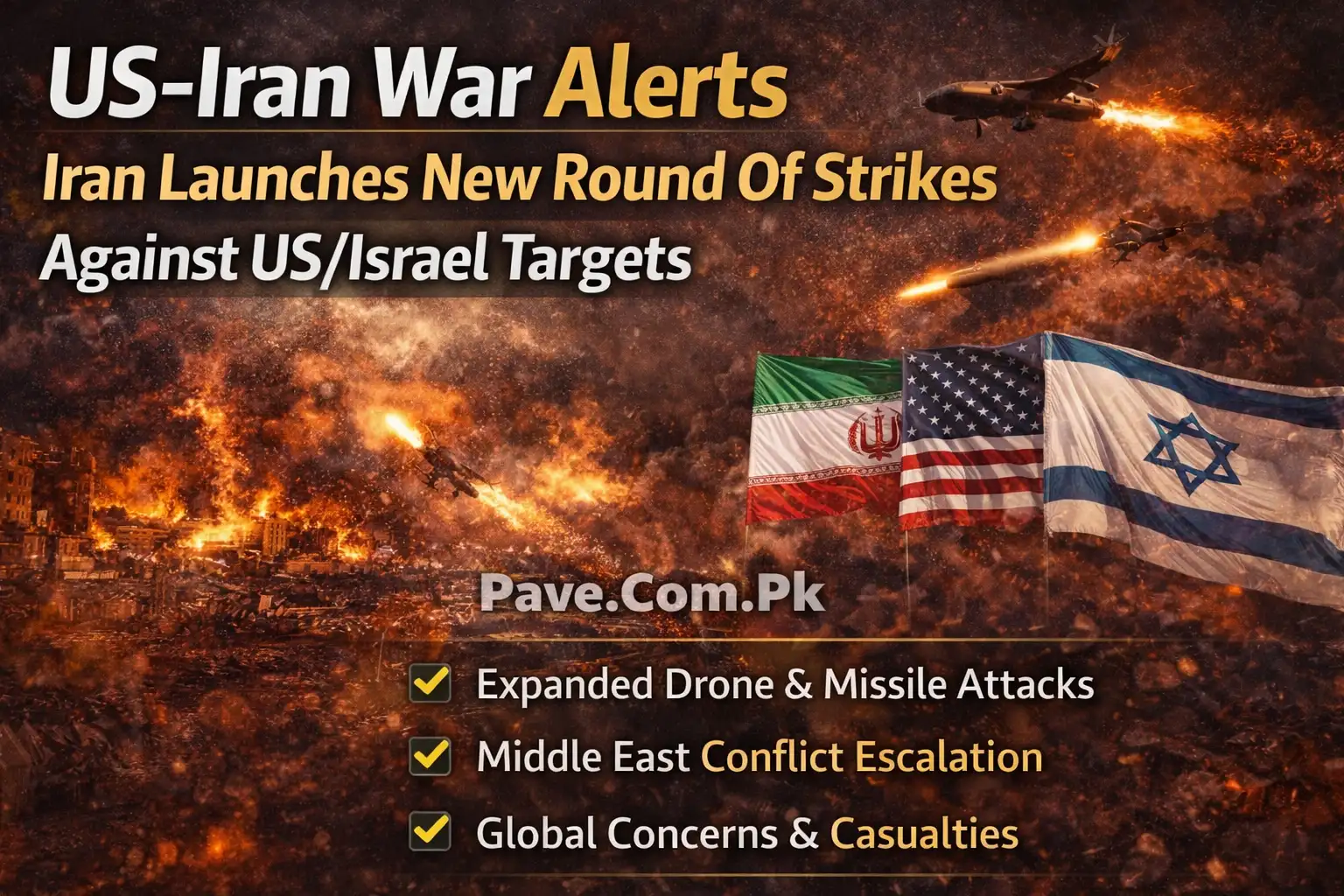
In the latest escalation of the ongoing US–Iran war in 2026, Iran has launched a new round of strikes against both United States and Israeli targets across the Middle East, heightening regional tensions and sparking urgent war alerts worldwide. This conflict — which erupted after a coordinated US-Israel military campaign against Iran — has now expanded into multiple fronts involving missile barrages, drone attacks, and retaliatory operations that have affected not only Iran, Israel, and the United States but also the broader Middle East.
People around the world are searching for terms like:
- US-Iran war updates 2026
- Iran attacks US and Israel
- Middle East conflict news
- Iran missile strikes Gulf states
- US casualties Iran conflict
- Hezbollah involvement Israel
This article covers the latest war alerts, how Iran’s new strikes unfolded, the military and civilian impact, regional reactions, global consequences, and what may happen next.
Background: How the 2026 US-Iran Conflict Started
The current conflict traces back to 28 February 2026, when the United States and Israel launched a major coordinated strike against Iran, named Operation Roaring Lion by Israel (also called Operation Epic Fury by the U.S.). This attack hit multiple Iranian cities, including Tehran, Isfahan, and Qom, targeting military bases, missile sites, and key government infrastructure.
Iran’s leadership was dealt a severe blow with high-level casualties, including the reported death of Supreme Leader Ayatollah Ali Khamenei, a development confirmed by Iranian authorities in the days that followed.
Following these strikes, Iran vowed retaliation — and that retaliation has now intensified into a full-scale wave of attacks against American and Israeli assets.

Iran’s New Round of Strikes: What Happened
In recent days, Iran has launched fresh missile and drone strikes against both United States military bases and Israeli positions, expanding its retaliation far beyond its borders. 🇮🇷
Targets of Iran’s Attacks
- US military bases across Gulf countries – including drones targeting the US embassy in Kuwait and other installations in Saudi Arabia, Qatar, Bahrain, Iraq and UAE.
- Israeli territory, where missiles and drones were fired from Iranian soil or via allied proxy groups.
- Gulf cities and oil infrastructure, including disruptions near Dubai and Doha.
These new strikes have amplified global warnings and sparked urgent war alerts from defense and diplomatic networks. Many governments have issued advisories urging civilians to take shelter and avoid travel near conflict zones.

Regional Conflict Escalation
The intensified strikes have not just remained confined to direct US-Iran clashes — they have triggered wider engagement across the Middle East:
1. Hezbollah and Lebanon
Iran-backed Hezbollah in Lebanon has entered the conflict, launching rockets into northern Israel in support of Tehran’s strike efforts. Israel responded with airstrikes around Beirut and called for evacuations in southern Lebanon.
2. Gulf States Affected
Iran’s missiles and drones have struck targets in several Gulf Cooperation Council (GCC) countries, forcing flight cancellations, airspace closures, and embassy warnings.
3. Wider Militia Involvement
Iran-aligned militias in Iraq, Syria, and Yemen have also launched attacks on US and allied positions, drawing them deeper into the conflict.
This widening battlefield marks a dangerous trend, as what began as a US-Israel operation has drawn in proxy forces and regional actors, increasing the scale and complexity of the war.

Casualties and Humanitarian Consequences
The human toll from the ongoing conflict has been significant. Multiple sources confirm casualties and extensive damage:
- Dozens of Iranian civilians killed and hundreds injured as airstrikes hit residential areas and military sites.
- US military casualties confirmed, including several service members killed during retaliatory strikes.
- Injuries and deaths in Israel and other Gulf cities due to missile barrages and explosions.
The escalation has also caused widespread displacement, fear, and interruption of daily life in cities across Iran, Israel, and neighboring states.

US and Israeli Military Strategy
Following Iran’s retaliation, the United States and Israel have continued to increase pressure through sustained air and missile strikes on Iranian military infrastructure. US military leaders say they have targeted:
- Iran’s ballistic missile facilities
- Revolutionary Guard bases
- Strategic command and control infrastructure
- Warships and military hardware in the Persian Gulf region
President Trump and Israeli officials have publicly declared that the goal of these strikes is to reduce Iran’s military capabilities and prevent further aggression against US and allied forces.
Global Economic and Security Impacts
The conflict is not only a military confrontation — it’s also affecting global markets and security dynamics:
Oil and Shipping
The closure of the Strait of Hormuz and disruption of shipping lanes have spiked global oil prices and triggered fears of supply shortages.
Air Travel and Trade
Airspace closures over the Gulf have disrupted international flights and trade routes, impacting global commerce.
Defense Spending and Alliances
Several nations are deploying additional defense assets to the region, signaling a prolonged security commitment.
This has led to economic turbulence, increased defense expenditures, and renewed debate about global energy dependence on the Middle East.
Diplomatic Reactions Around the World
The international community has responded with a mix of caution, condemnation, and calls for peace:
World Powers
- United Nations has called for de-escalation and urged both sides to return to negotiations.
- European nations have pushed for a ceasefire and diplomatic solutions.
- Russia and China have criticized the conflict and offered to mediate.
Regional Diplomacy
Some Gulf states have condemned Iranian strikes on their territories, while others remain neutral or call for negotiations.
These diplomatic tensions highlight how the conflict is shaping foreign policy across continents and may influence future geopolitical alliances.
Public Opinion and Domestic Politics
The war has triggered heated debates in the United States, Iran, and Israel:
- In the US, public support for continued military operations is divided, with many citizens questioning prolonged involvement abroad.
- In Iran, popular sentiment has swung between national solidarity and deepening fear due to civilian losses and economic instability.
- In Israel, ongoing rocket attacks from Hezbollah and Iranian forces have prompted security concerns and calls for further retaliation.
This complex mix of public opinion affects leadership decisions and potential peace negotiations in each country.
Possible Scenarios Moving Forward
Analysts suggest several possible paths for the conflict:
1. Continued Escalation
If both sides persist with military strikes, the war could expand into additional fronts.
2. Diplomatic Resolution
Pressure from international alliances could push for negotiated ceasefires and peace talks.
3. Proxy Intensification
Iran may rely more heavily on allied militia groups to stretch US and Israeli defenses.
4. Regional Coalition Intervention
A coalition of Arab states could become involved to stabilize the situation or defend territories.
Each scenario carries its own risks and consequences for global peace and security.
Conclusion
The latest US-Iran war alerts and Iran’s new round of strikes against US and Israeli targets represent a dangerous phase in a conflict that continues to escalate across the Middle East. With expanding military fronts, civilian suffering, economic disruption, and intense diplomatic pressure, the crisis is shaping up as one of the most critical geopolitical confrontations of the 2020s.
The world watches closely as leaders weigh further military action against the urgent need for peace and stability in a region vital to global security and economic stability.