Breaking: PMDC Orders Inquiry of Students Death at Medical University – What Happened & Why It Matters in 2026
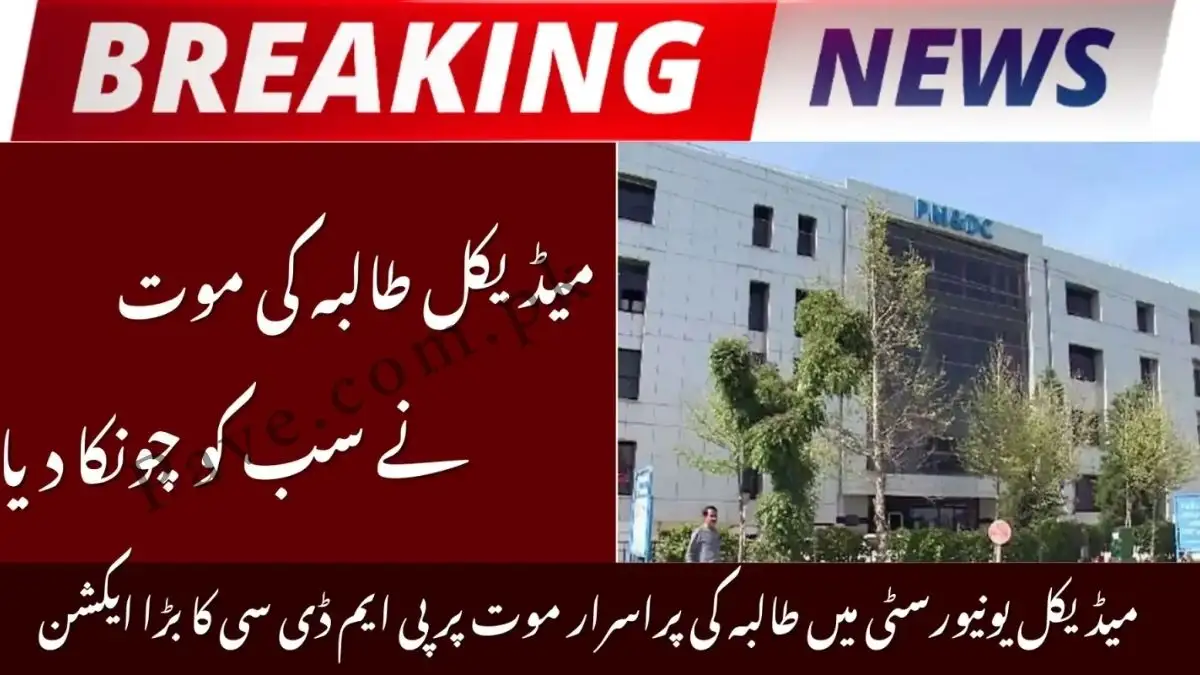
In February 2026, the Pakistan Medical and Dental Council (PMDC) initiated a high-level inquiry following the tragic death of a final-year MBBS student at Fatima Jinnah Medical University in Lahore.
The incident has triggered a nationwide debate on medical student mental health in Pakistan, institutional accountability, and the immense academic pressure faced by future doctors.
What initially appeared to be an isolated tragedy is now being seen as a potential turning point in how medical institutions approach student welfare, psychological support, and hostel safety standards in 2026.
What Happened at FJMU in February 2026?
On Tuesday night, February 17, 2026, a 22-year-old female student, originally from Azad Jammu and Kashmir, allegedly died by suicide after jumping from the fourth floor of the university hostel.
She was a final-year MBBS student residing in the government hostel of FJMU in Lahore.
The incident shocked the academic community and prompted immediate concern regarding:
- Mental health support mechanisms
- Hostel supervision and safety protocols
- Institutional response systems
- Psychological stress in final-year medical students
The tragedy also reignited public discussion about doctor burnout, depression among medical students, and suicide prevention policies in universities.

PMDC’s Immediate Action: Seven-Day Deadline
On February 19, 2026, the PMDC Registrar issued a formal directive to the FJMU Principal demanding a detailed factual report within seven days.
According to the official letter, the university must provide:
Incident Details
- Exact date and time
- Brief circumstances as per institutional records
Internal Inquiry Committee
- Composition of the fact-finding committee
- Terms of reference
- Timeline for completion of the report
- Any initial findings
Mental Health Support Review
- Existing counselling services
- Planned improvements
- Steps taken after the incident
Hostel Safety Measures
- Infrastructure review
- Monitoring mechanisms
- Safety upgrades implemented post-incident
The report deadline was set for February 26, 2026.
This response signals that the regulatory body is treating the matter as a systemic issue rather than an isolated event.

University Response: Classes Suspended, Exams Postponed
Following the incident, FJMU suspended all undergraduate MBBS classes.
Theory and practical examinations were postponed until at least February 24, 2026.
The campus entered a period of mourning, while administrative authorities began internal assessments.
Such suspension reflects the gravity of the situation and the psychological impact on fellow students.

Why This Case Matters in 2026
The significance of this inquiry extends far beyond one inst 1. Mandatory Mental Health Hiring Directive
For the first time, the PMDC has moved beyond recommendations.
All medical and dental colleges across Pakistan have been formally advised to:
- Hire qualified psychologists
- Appoint licensed counsellors
- Provide confidential counselling services
- Establish structured student support systems
This marks a major shift in regulatory enforcement concerning mental health policies in medical colleges.
Previously, student counselling was often optional or underfunded. In 2026, it is becoming a compliance expe 2. Addressing the Doctor Burnout Epidemic
Medical education in Pakistan is widely regarded as academically intense and emotionally demanding.
Final-year students often face:
- Clinical workload pressure
- Licensing exam stress
- Competitive postgraduate placement anxiety
- Family expectations
- Financial burden
Recent months have seen a worrying rise in reported self-harm incidents among university students, including cases in Lahore earlier this year.
In January 2026:
- A student at a private university in Lahore attempted suicide by jumping from the second floor.
- A month earlier, another male student at the same institution died after jumping from the fourth floor.
These patterns indicate a broader mental health crisis in higher education, particularly in demanding professional pr3. Hostel Safety Under Scrutiny
The inquiry specifically targets hostel infrastructure and student monitoring.
Questions being examined include:
- Are residential halls adequately supervised?
- Are there early warning systems for distressed students?
- Is there accessible psychological support within hostels?
- Are wardens trained to identify mental distress?
Hostel safety in universities is no longer limited to physical security. It now includes psychological risk monitoring and welfare reporting mech 4. Institutional Accountability Under PM&DC Act
Under the PM&DC Act, universities found negligent in safeguarding student welfare may face serious consequences, including:
- Regulatory warnings
- Fines
- Suspension of accreditation
- Revocation of institutional licenses
The PMDC letter emphasized that medical and dental students represent the “brightest and most valuable segment” of the nation’s future healthcare workforce.
Failure to provide a safe academic environment could invite strict regulatory intervention.
Summary of PMDC Inquiry
| Detail | Information |
|---|---|
| Institution | Fatima Jinnah Medical University (FJMU), Lahore |
| Student | 22-year-old, Final Year MBBS |
| Incident Date | February 17, 2026 |
| Inquiry Deadline | February 26, 2026 |
| Key Directive | Mandatory hiring of psychologists in all medical colleges |
| Academic Status | Classes suspended; exams postponed |
Strengthening Student Support Systems in Medical Colleges
The PMDC’s communication highlights the urgent need for proactive reform.
Key recommended reforms inConfidential Counselling Services
Students must be able to seek help without stigma or academic reperc Psychological Screening and Monitoring
Institutions are encouraged to maintain vigilance for signs of:
- Anxiety
- Depression
- Burnout
- Emotional iso Crisis Response Protocols
Universities should implement:
- Emergency psychological response teams
- 24/7 helpline systems
- Trained hostel wardens
- Peer support Academic Pressure Management
Institutions may need to reconsider:
- Examination scheduling
- Attendance rigidity
- Clinical rotation load
- Internal assessment intensity
Balancing academic rigor with student wellbeing is becoming a regulatory requirement rather than a voluntary initiative.
A Turning Point for Medical Education in Pakistan
This inquiry is widely expected to set a precedent.
If enforced rigorously, it could result in:
- Standardized mental health frameworks across medical colleges
- Mandatory psychologist appointments nationwide
- Structured hostel safety guidelines
- Regular compliance audits
The mental health of medical students is no longer treated as a personal issue. It is now a public health concern.
The pressure placed on future doctors has long been acknowledged informally. In 2026, it has formally entered the regulatory domain.
The Broader Mental Health Crisis in Higher Education
Across Pakistan, awareness of depression, academic stress, and suicide prevention is growing. However, implementation gaps remain.
Cultural stigma continues to prevent many students from seeking psychological help.
Common barriers include:
- Fear of being labeled weak
- Concerns about academic consequences
- Confidentiality doubts
- Family pressure
The PMDC’s directive attempts to address these concerns by institutionalizing support systems rather than leaving them optional.
What Happens Next?
The FJMU report is expected to be submitted by February 26, 2026.
Possible outcomes may include:
- Formal compliance directives
- Mandatory mental health staffing timelines
- Hostel safety audits
- National policy updates
The final findings could reshape regulatory standards for all medical and dental institutions in Pakistan.
Conclusion: Beyond Investigation Toward Reform
The tragic death of a young medical student in Lahore has sparked more than grief. It has forced institutions and regulators to confront uncomfortable realities about mental health in medical education.
In 2026, the focus is shifting from damage control to prevention.
If the PMDC’s directives are implemented strictly, this case may mark a defining moment in strengthening student mental health services in Pakistan’s medical colleges.