Pakistan Electric Vehicle Policy 2026 – Accelerated Vehicle Electrification Plan Explained
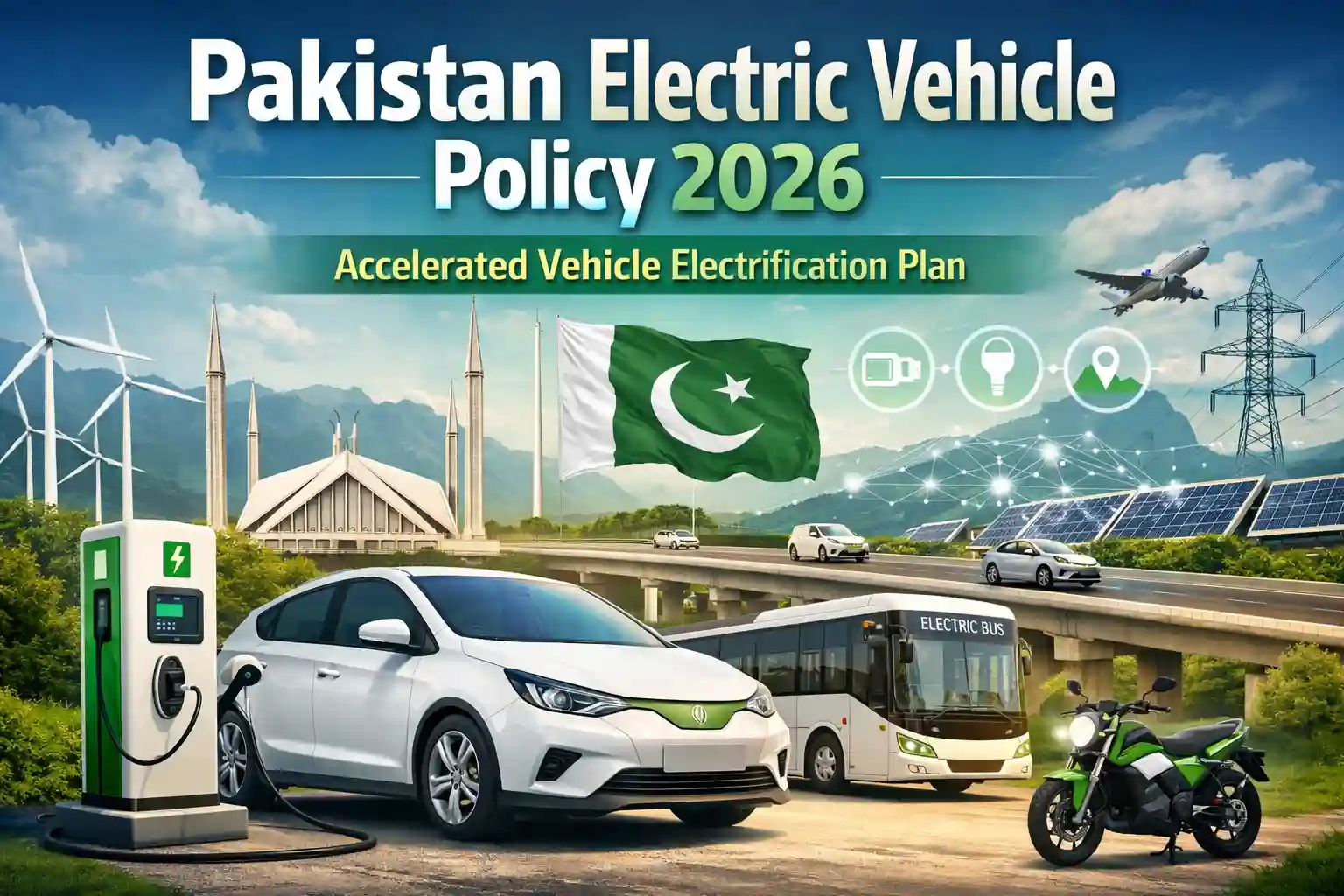
Pakistan is rapidly moving toward clean mobility under its Accelerated Vehicle Electrification (AVE) strategy. With rising fuel prices, increasing air pollution, and global climate commitments, electric vehicles (EVs) are becoming a national priority.
Search trends show people are actively looking for:
- Pakistan EV Policy 2026
- Electric Vehicle Incentives in Pakistan
- EV Charging Stations in Pakistan
- Government Electric Vehicle Plan Pakistan
This article explains the Pakistan Electric Vehicle Policy 2026, targets, incentives, infrastructure plans, and investment opportunities.
Why Pakistan Is Accelerating Vehicle Electrification
4
Pakistan’s transport sector contributes significantly to carbon emissions and petroleum imports. Electrification aims to:
- Reduce fuel import dependency
- Improve urban air quality
- Lower transport costs over time
- Support climate commitments
The shift is not only environmental — it is economic and strategic.
Government EV Policy Framework 2026
The EV transition is supported by multiple ministries including:
- Ministry of Industries and Production
- Ministry of Climate Change
Key components of the policy include:
1️⃣ Tax & Import Incentives
- Reduced customs duties on EV components
- Lower registration fees
- Tax exemptions for manufacturers
2️⃣ Local Manufacturing Promotion
- Encouragement of EV assembly plants
- Battery localization programs
- Public-private industrial partnerships
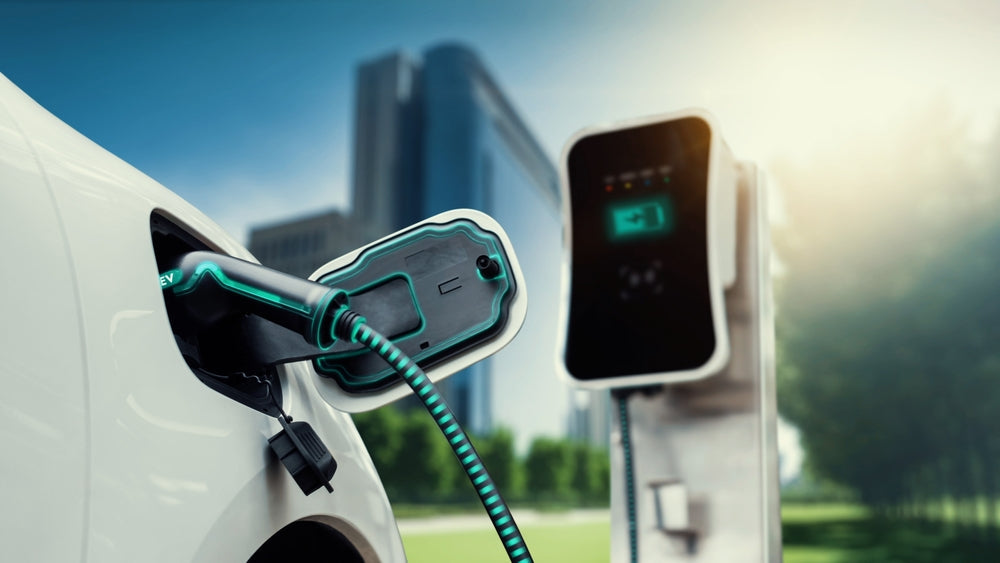
3️⃣ Charging Infrastructure Expansion
- Fast-charging corridors on national highways
- Urban charging hubs in major cities
- Solar-based charging integration
EV Charging Stations in Pakistan – Expansion Plan
One of the most searched queries is:
“How many EV charging stations are in Pakistan?”
The accelerated plan includes:
- Charging stations every 30–40 km on motorways
- Public charging hubs in Lahore, Karachi, and Islamabad
- Incentives for private investors to install EV stations
Infrastructure expansion is the backbone of the electrification strategy.
Public Transport Electrification
Electrification is not limited to private cars.
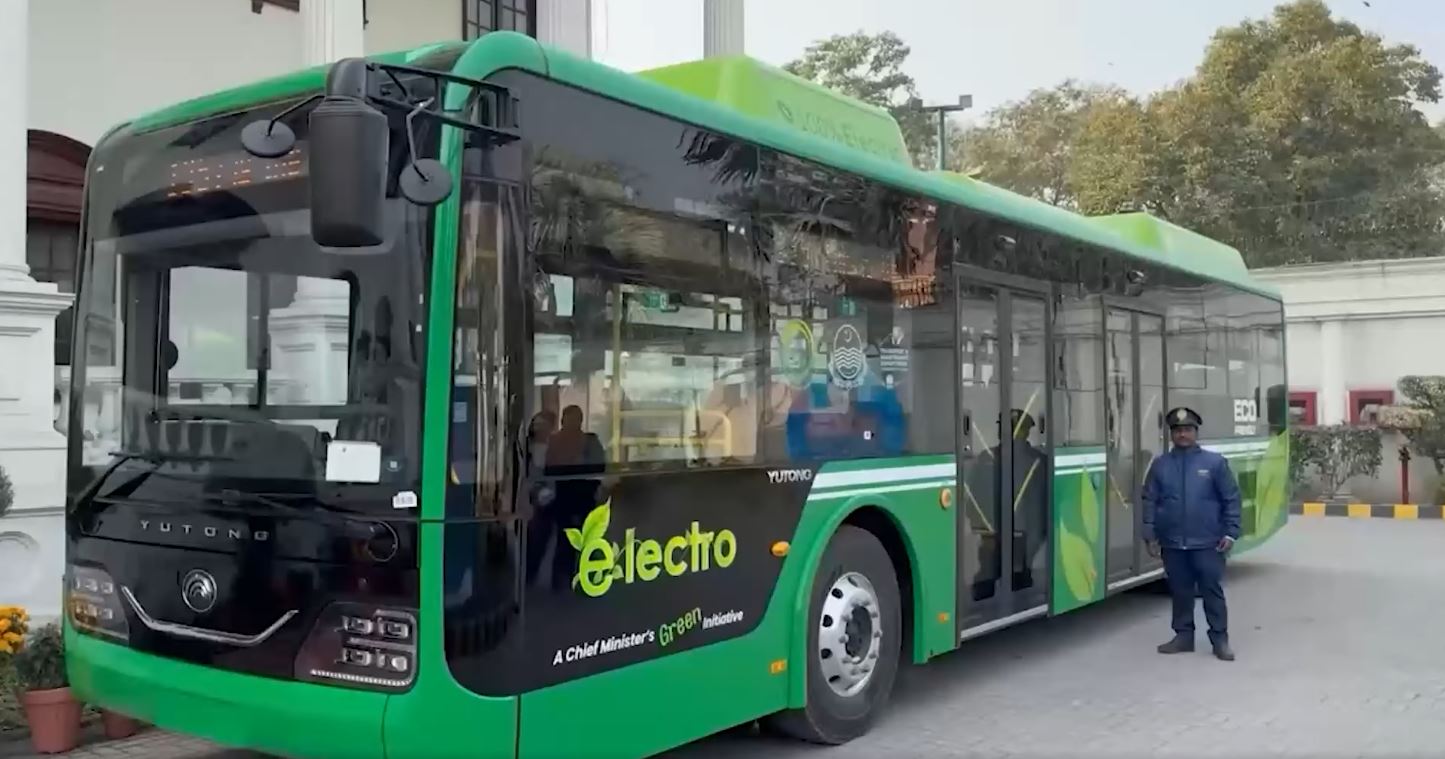
- Electric buses are being introduced in major cities
- Government fleet conversion plans are under discussion
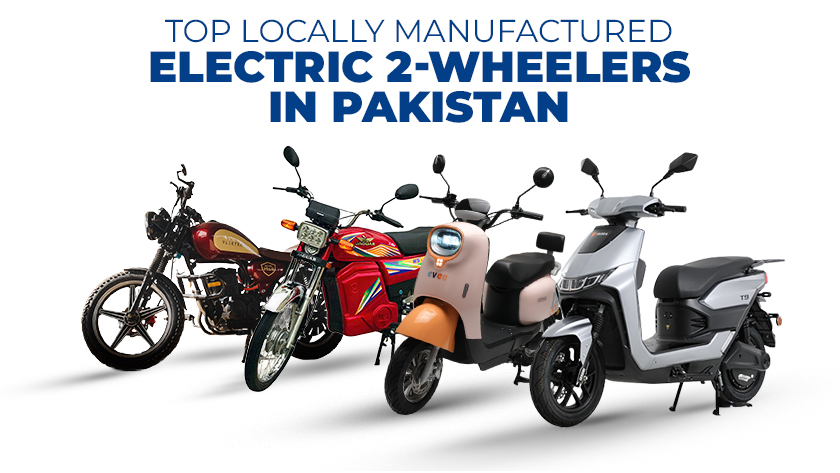
- Electric motorcycles are gaining popularity due to affordability
This reduces urban pollution significantly.
Investment Opportunities in Pakistan’s EV Sector
Search trend: “Is EV business profitable in Pakistan?”
Yes — major opportunities exist in:
- Charging station installation
- EV import & distribution
- Battery technology
- Fleet electrification services
With global green financing increasing, Pakistan’s EV market has long-term potential.
Climate & Economic Impact
Electrification supports Pakistan’s commitments under global climate frameworks and improves ESG compliance for industries.
Benefits include:
- Lower greenhouse gas emissions
- Reduced foreign exchange pressure
- Job creation in green industries
- Technology transfer & innovation
Challenges to Overcome
Despite progress, challenges remain:
- High upfront EV costs
- Limited nationwide charging network
- Consumer awareness gap
- Battery disposal & recycling policies
However, policy acceleration aims to address these issues gradually.
Conclusion
The Pakistan Electric Vehicle Policy 2026 represents a major step toward sustainable transport and economic modernization.
Accelerated Vehicle Electrification is not just about cars — it is about:
- Energy security
- Industrial growth
- Climate responsibility
- Smart mobility transformation
With structured implementation and infrastructure investment, Pakistan can position itself as a regional leader in electric mobility.