‘Bad Day for Iran’: Trump Signals Window for Potential Military Strike
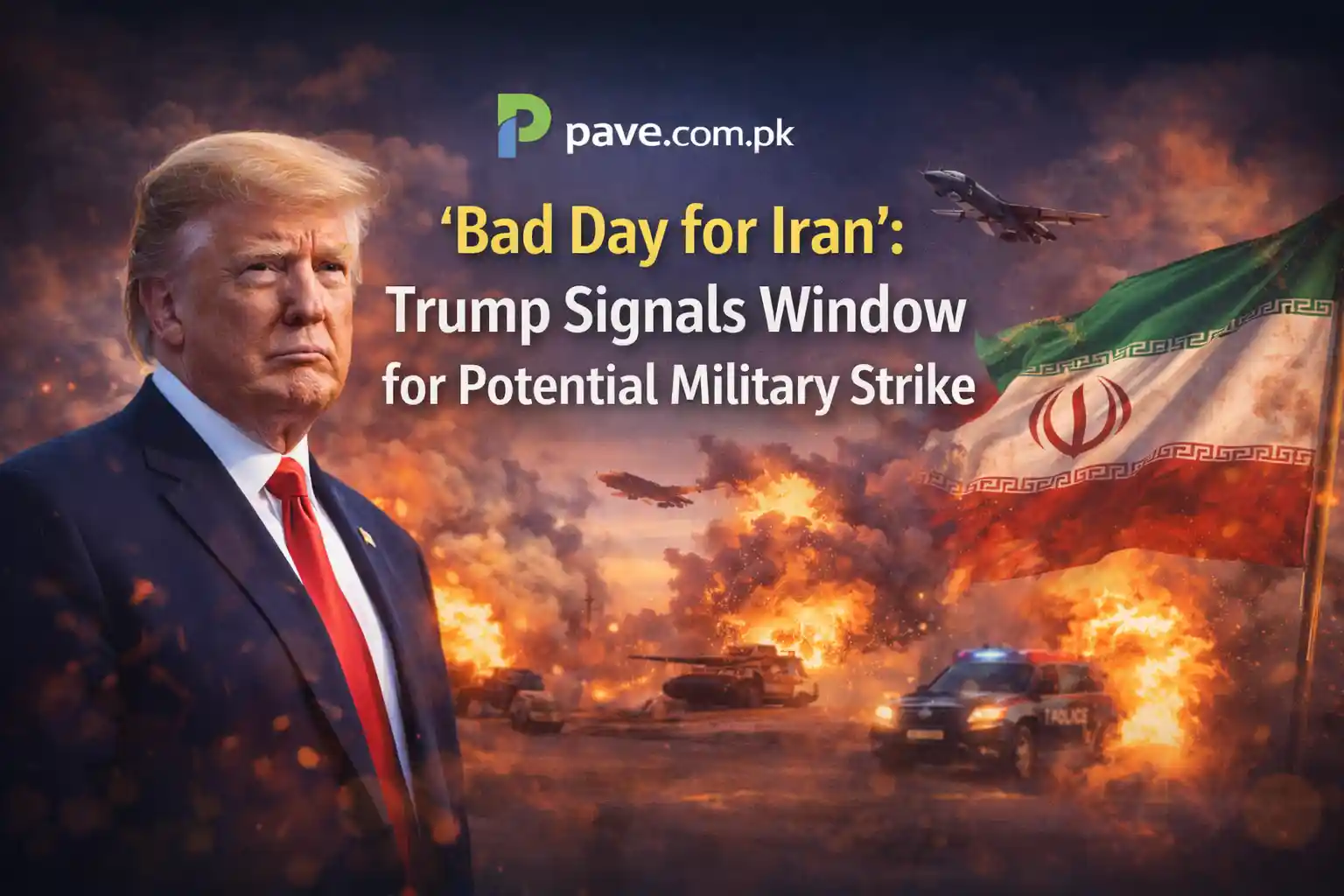
In early February 2026, geopolitical tensions between the United States and Iran escalated to their most acute level in years, drawing global concern. President Donald Trump significantly intensified his “maximum pressure” strategy, combining aggressive rhetoric with forward deployment of military assets, while simultaneously pushing for a new diplomatic settlement. This entanglement of diplomacy and deterrence is unfolding against a backdrop of massive protests and brutal crackdowns inside Iran — creating one of the most complex flashpoints since the last major conflict between Tehran and Washington.
This article explains the latest developments, the U.S. military posture, the evolving demands from Washington, the context of Iranian domestic unrest, and the strategic forces shaping the next possible phase of this crisis.
1. Massive U.S. Military Build-Up: Two Aircraft Carriers Headed Toward Iran
In a striking show of force, President Trump confirmed on February 13, 2026 that a second U.S. aircraft carrier strike group led by the USS Gerald R. Ford is being redeployed toward the United States Navy presence in the Middle East. The Gerald R. Ford is joining the USS Abraham Lincoln, which has already been positioned near Iranian waters as tensions rise.

Together, these carrier strike groups, supported by guided-missile destroyers and surveillance assets, constitute one of the most significant concentrations of U.S. naval power in the region in recent years. The deployment signals that Washington is keeping military options open while pressing Tehran for concessions on nuclear, missile, and regional security issues.
The strategic logic behind this buildup is twofold: to deter Iranian aggression against U.S. forces or allies, and to provide credible options should diplomatic efforts fail. However, global analysts note that maintaining two carriers at sea — especially one as sophisticated and resource-intensive as the Gerald R. Ford — stretches U.S. naval capacities and reflects the seriousness with which the administration views the situation.
2. A Sharper Rhetoric: “Regime Change” and Ultimatums
President Trump’s tone has shifted from negotiating around nuclear issues alone to embracing more expansive strategic aims. During a visit to Fort Bragg on February 13, he stated that a change in power in Iran “would be the best thing that could happen,” indicating that Washington may see Iran’s political structure itself as part of the core security problem.
Trump has framed the current negotiations as a final opportunity for diplomacy — suggesting that if Iran offers “the right deal,” military action might be avoided. But he has also warned that failure to reach acceptable terms would lead to consequences that Tehran will learn from. This kind of ultimatum signals a narrowing diplomatic window and raises the stakes for negotiations currently scheduled in Geneva.
3. Washington’s Expanded “Fair Deal” Conditions
According to recent White House statements and international coverage of the standoff, the benchmarks for a successful diplomatic resolution have widened beyond the traditional scope of nuclear containment to include:
- Zero nuclear capability: Full dismantling of enrichment programs.
- Missile program restrictions: Halting ballistic missile development.
- Human rights reforms: An end to executions and harsh crackdowns on dissent.
- Regional influence: Curbing Iran’s support for allied militias and political partners across the Middle East.
While Tehran continues to assert the peaceful nature of its nuclear program, it remains adamant that its strategic defenses, including missiles, are sovereign and legitimate. This fundamental disconnect — along with Tehran’s internal narrative of resisting foreign pressure — makes convergence in negotiations difficult.
4. Diplomatic Engagement: Geneva Talks in Focus
Despite the tough talk, diplomatic channels remain active. A new round of negotiations is scheduled for February 17, 2026 in Geneva, facilitated by intermediaries including Oman and Russia. These talks represent the last formal chance to bridge differences before potential escalation.
Iran has been clear that it views its nuclear program as peaceful and non-negotiable in terms of sovereign rights. This stance complicates any agreement seeking immediate dismantling or full inspections beyond what Tehran deems acceptable.
5. The Catalyst: Domestic Unrest and Brutal Crackdown
A critical backdrop to the international confrontation is the unprecedented domestic unrest within Iran. Protests erupted in late December 2025 over economic grievances — especially the sharp depreciation of the Iranian rial, soaring inflation, and chronic mismanagement — and quickly morphed into widespread calls for political reform.
Security forces responded with extreme force, leading to a crackdown that at last count has caused over 7,000 confirmed deaths and tens of thousands of arrests. Human rights groups warn the real toll could be significantly higher due to restrictions on information and internet blackouts imposed during key moments of violence.
What began as localized demonstrations against economic hardship evolved into broader calls for systemic change — with protesters chanting slogans against the clerical establishment and demanding accountability from the ruling hierarchy.
Iranian authorities have sought to suppress independent reporting by limiting internet access and tightly controlling communications — a strategy seen in previous protest cycles but intensified amid the current crisis.
6. Strategic Considerations: Why War Is Not Yet Certain
Even as Trump presses Tehran and positions forces, several factors act as brakes on immediate military conflict:
Missile Defense Limitations: The U.S. and allies like Israel are actively replenishing interceptor stocks such as THAAD and Arrow-3 systems following previous conflicts, including the 12-day war in mid-2025. Extended conflict would strain these expensive defenses.
Economic Fallout: A regional war could disrupt global energy markets, especially if the Strait of Hormuz is threatened — jeopardizing global oil supplies and potentially undermining the U.S. economic narrative ahead of key electoral cycles.
Symbolic vs. Full-Scale War: Many analysts believe Washington may prefer limited or symbolic military demonstrations — targeted strikes or shows of force designed to pressure Tehran without sparking a full-blown ground war. Such limited action could be easier to manage politically and militarily.
7. Opposition Voices and Internal Iranian Politics
Adding complexity to the picture, prominent Iranian exile figures like Reza Pahlavi, son of the last monarch, have publicly urged U.S. military intervention to accelerate the collapse of the existing regime. Such voices amplify debate within international policy circles about the future of Iran’s governance — but officials remain cautious about overestimating external figures’ influence inside Iran.
8. Key Dates to Watch
| Event | Date | Status |
|---|---|---|
| New Diplomatic Round | Feb 17, 2026 | Scheduled in Geneva |
| USS Gerald R. Ford Arrival | Late Feb 2026 | En route from Caribbean |
| Iranian Domestic Pressure Peak | Feb 2026 ongoing | Protests + crackdown |
9. What’s Next?
As of mid-February 2026, the crisis remains at a tipping point. With both diplomatic negotiations and military deployments converging, the next few weeks will be crucial in determining whether the situation escalates into open conflict or recedes into managed tension.
Iran’s insistence on sovereign rights, coupled with hope for diplomatic resolution, contrasts sharply with U.S. demands for sweeping concessions and a hardening military posture. The outcome in Geneva and the evolution of protests inside Iran will be decisive factors as February unfolds.