Why Did Pakistan Boycott India Match? T20 World Cup 2026 Controversy Explained
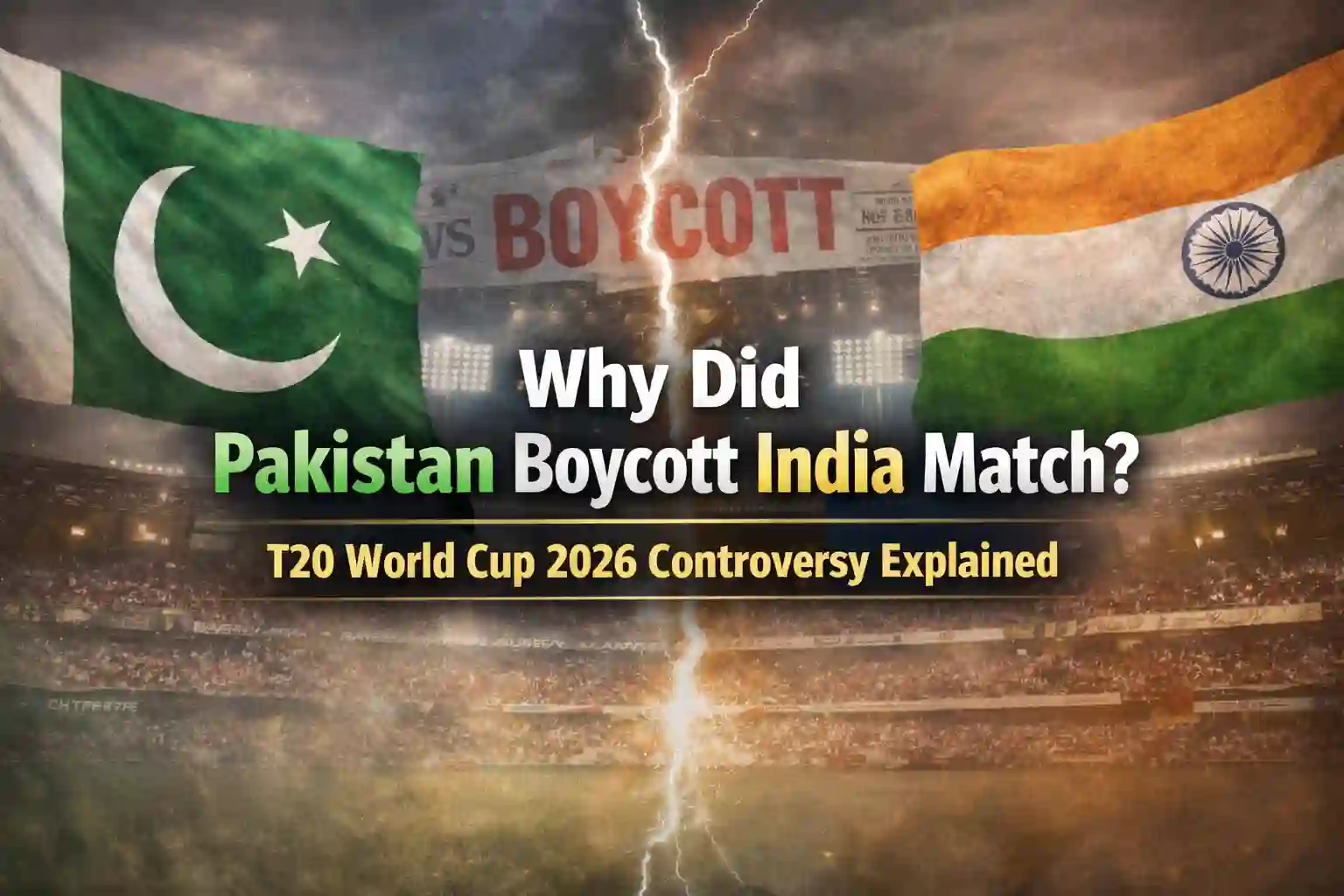
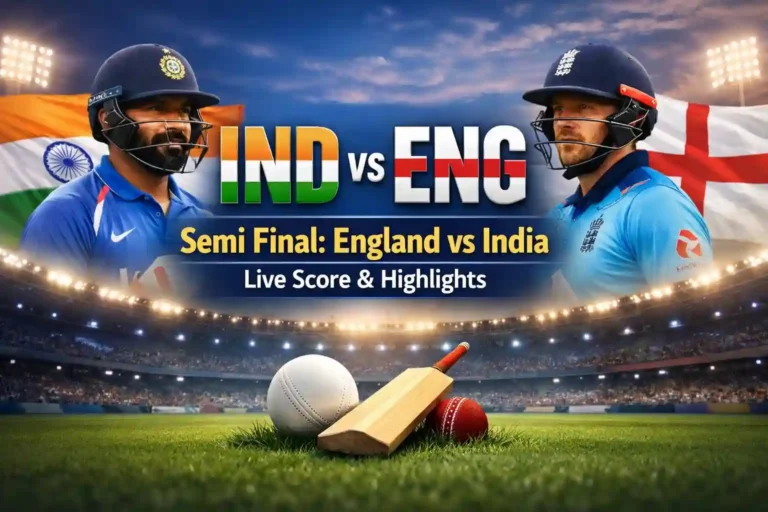
Cricket fans across the world were shocked when reports emerged that Pakistan might boycott or refuse to play a scheduled match against India during the T20 World Cup 2026. Since Pakistan vs India matches are among the biggest sporting events globally, any disruption quickly becomes headline news.
The controversy created confusion, anger, and debates among cricket lovers. Social media exploded with opinions, while sports analysts tried to understand whether the issue was political, logistical, or administrative.
In this article, we break down the situation in simple terms. We explain what led to the controversy, why Pakistan took a strong position, how the International Cricket Council reacted, and what this means for the future of cricket between the two rivals.
Why Pakistan vs India Matches Matter So Much
Before discussing the boycott issue, it is important to understand why this match carries such huge importance.
Pakistan and India share one of the biggest rivalries in world sport. Their matches attract:
- Hundreds of millions of viewers worldwide
- Record-breaking TV ratings
- Massive stadium crowds
- Huge sponsorship deals
- Global media attention
Because bilateral series between the two countries rarely happen due to political tensions, ICC tournaments are often the only chance fans get to see them play each other.
This is why any threat to such matches becomes global news.
What Triggered the 2026 Controversy?
The controversy reportedly started due to disagreements related to tournament hosting arrangements and security concerns.
The T20 World Cup 2026 is scheduled to be hosted jointly by countries in the region, and there were debates regarding match venues, travel arrangements, and political approvals required for teams.
Pakistan cricket officials reportedly raised concerns over:
1. Venue Neutrality Concerns
Pakistan wanted assurances about neutral or safe venues for matches involving India, especially considering past issues related to hosting rights and travel permissions.
2. Government Clearance Requirements
Cricket boards often need government approval before touring certain countries. Political relations between Pakistan and India remain sensitive, affecting sporting tours.
3. Fair Scheduling and Travel Arrangements
Pakistan officials reportedly felt scheduling decisions placed unfair travel burdens or disadvantages on their team compared to others.
These issues combined to create uncertainty about Pakistan’s participation in certain matches.
Was It an Official Boycott?
One major confusion among fans was whether Pakistan officially announced a boycott.
In reality, early reports suggested that Pakistan cricket authorities expressed strong reservations rather than confirming a complete withdrawal from the match.
Often, such situations involve negotiations, warnings, or pressure tactics rather than immediate final decisions.
Cricket boards sometimes use strong statements to push for changes in scheduling or venue decisions.
So, at least initially, the situation appeared more like a dispute rather than a confirmed boycott.
Political Tensions and Cricket
Politics and cricket have often mixed between Pakistan and India.
Past examples include:
- Cancelled bilateral series
- Neutral venue matches
- Hybrid tournament models
- Visa and travel issues for players and fans
Sports diplomacy has sometimes improved relations, but tensions frequently affect cricket schedules.
Because of this history, even small disputes quickly become major controversies.
ICC’s Role in the Situation
The International Cricket Council plays a crucial role in resolving such disputes.
ICC aims to ensure:
- Smooth tournament operations
- Fair scheduling
- Security arrangements for all teams
- Commercial commitments are fulfilled
If one of the biggest matches in the tournament is at risk, ICC faces massive financial and reputational pressure.
Reports suggested ICC officials entered discussions with both boards to find a compromise solution.
Possible solutions discussed included:
- Adjusting match venues
- Changing scheduling arrangements
- Using neutral venues if necessary
ICC generally tries to avoid cancellations because global broadcasters and sponsors rely heavily on Pakistan vs India matches.
Impact on Cricket Fans
The biggest losers in such controversies are fans.
Supporters from both countries, as well as neutral cricket fans worldwide, eagerly wait for these clashes.
A cancelled match would mean:
- Disappointment for millions of viewers
- Ticket refund issues
- Reduced tournament excitement
- Financial losses for organizers
Fans often express frustration when politics interrupts sports.
Many former players have also said cricket should remain separate from political disputes.
Financial Stakes Behind the Match
Pakistan vs India matches generate huge revenue.
Broadcasters pay massive amounts for ICC tournament rights mainly because of this rivalry.
Sponsors also depend on these matches for maximum exposure.
If such matches are cancelled:
- ICC loses significant advertising revenue
- Sponsors may renegotiate contracts
- Ticket revenue drops
- Tournament excitement decreases
This financial pressure usually pushes boards toward compromise.
Media Reactions and Public Debate
News channels and social media platforms quickly turned the issue into a heated debate.
Some commentators supported Pakistan’s stance, arguing that fair treatment and security assurances are necessary.
Others criticized the move, saying sports should remain separate from politics.
Former cricketers from both countries urged authorities to resolve disputes and allow matches to proceed.
Public opinion remained divided, but most fans simply wanted cricket to continue.
Possible Outcomes of the Dispute
Several scenarios were discussed in cricket circles:
Match Played as Scheduled
Negotiations succeed and teams play without changes.
Match Shifted to Neutral Venue
Game takes place in another country acceptable to both teams.
Schedule Adjustments
Tournament organizers modify match timings or venues.
Match Cancellation
Worst-case scenario, leading to major disappointment.
Historically, compromise solutions are usually found before tournaments begin.
What This Means for Future Pakistan-India Cricket
The controversy again highlighted how fragile cricket relations remain between the two nations.
Future tournaments could see:
- More neutral venue matches
- Hybrid hosting models
- Greater ICC involvement in planning
- Political approvals becoming standard procedure
Unless political relations improve significantly, cricket scheduling disputes may continue.
However, financial and fan pressure often ensures matches eventually happen.
Short News Summary
- Reports suggested Pakistan raised concerns about playing India in T20 World Cup 2026.
- Issues involved venues, scheduling, and government clearances.
- No final official boycott confirmed initially.
- ICC entered discussions to resolve the matter.
- Fans worldwide feared cancellation of the biggest match.
- Negotiations aimed to ensure matches proceed smoothly.
Final Thoughts – Pakistan Boycott India Match T20 World Cup 2026
The Pakistan vs India cricket rivalry remains the biggest attraction in world cricket. Every controversy around it quickly becomes global news.
The T20 World Cup 2026 situation shows once again how politics, security concerns, and tournament logistics can complicate sporting events.
However, history shows that commercial interests, fan expectations, and ICC pressure usually push both sides toward compromise.
Cricket fans across the world hope that sporting competition continues to unite people rather than divide them.
For now, supporters can only wait for final decisions and hope the rivalry continues on the field rather than in boardrooms.