Alina Amir Tiktok AI Video Exposed – Viral Clip Real or Fake? Full Reality Check
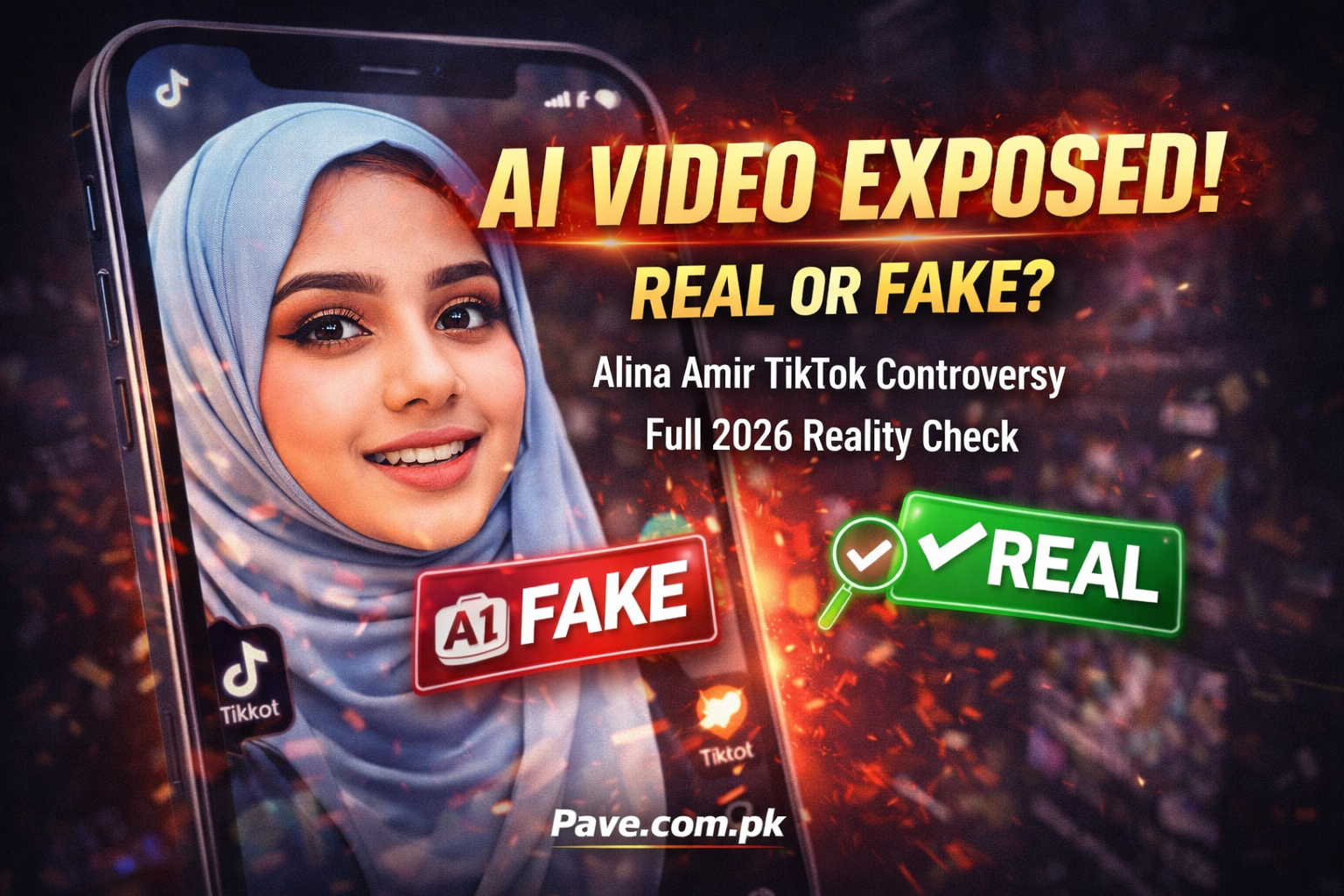
In 2025 and 2026, one name repeatedly dominated TikTok trend pages across Pakistan and India:
Alina Amir. Her sudden rise triggered admiration, memes, and inevitable controversy. Here is the complete, verified breakdown of her viral fame and the AI rumors surrounding it.
The “Sarsarahat Girl” Moment: How It All Started
Alina Amir’s breakthrough came from a lip-sync video using a famous dialogue delivered by Parineeti Chopra in the Bollywood film Hasee Toh Phasee.
The line
“Meri body mein sensation ho rahi hai”
instantly clicked with TikTok audiences.
Why This Clip Exploded
- Strong facial expressions
- Perfect dialogue timing
- Natural loop replay
- Cross-border relatability
Within days, the video crossed millions of views, and Alina was branded the “Sarsarahat Girl”, a nickname that stuck across South Asian social media.
AI Video Rumors: Real or Fake?
As AI-generated content surged in 2026, many viral creators faced deepfake accusations. Alina Amir was no exception. However, no verified evidence supports claims that her viral videos are AI-generated.
What Most “AI Exposed” Videos Actually Show
1. Filter vs Reality Comparisons
Several YouTube reaction channels published “filter vs reality” videos, comparing:
- TikTok videos (with beauty filters and studio lighting)
- Live interviews or candid clips
These are not AI deepfakes, just normal differences between polished social media content and real-world footage.
2. Clickbait Thumbnails and Titles
Phrases like “Alina Amir AI Exposed” are used mainly to drive clicks. In most cases, the videos contain:
- TikTok Live clips
- Interview snippets
- Reaction commentary
No AI manipulation is demonstrated.

Why People Mistake Her Videos for AI
The suspicion around Alina Amir comes from a mix of factors:
- Highly expressive facial movements
- Clean dialogue delivery
- Advanced TikTok beauty filters
- High-resolution front-camera recording
To casual viewers, this combination can appear “too perfect,” triggering AI speculation.
However, these traits are performance skills, not artificial generation.

Mainstream Media Proof: She Is 100% Real
Alina Amir has appeared on multiple Pakistani TV platforms, including:
- City 42
- Suno News
Live interviews, unscripted conversations, and studio appearances clearly confirm:
- She is a real person
- Her expressions and acting are natural
- No AI avatar or deepfake tech is involved
Fact-Checking Summary (Quick Verdict)
- Viral TikTok clips: ✅ REAL
- Acting & lip-sync: ✅ Genuine performance
- AI deepfake scandal: ❌ None confirmed
- “Exposed” videos: Mostly reactions and appearance comparisons
As of late January 2026, there is no verified AI controversy linked to Alina Amir.
Which Country Is Alina Amir From?
Alina Amir is primarily associated with Pakistan, where she gained mainstream media coverage and public recognition. However, her viral content spread rapidly in India due to the Bollywood dialogue and shared TikTok trends across both countries.
This cross-border virality is common on TikTok, especially for lip-sync and expression-based content.
How to Check Viral Videos on TikTok (2026 Method)
To verify whether a TikTok video is real or manipulated:
- Check the creator’s profile history
- Look for live videos or interviews
- Search mainstream media appearances
- Compare reposts from verified sources
- Avoid believing titles without proof
If a creator appears consistently across platforms, the content is almost always authentic.
Final Reality Check
Alina Amir’s fame is organic, performance-driven, and platform-native. Her rise reflects how expressive acting and timing still outperform gimmicks and AI tricks on TikTok.
The “AI exposed” narrative is largely a byproduct of:
- Clickbait culture
- Filter misunderstanding
- Viral jealousy cycles
Her story is not an AI scandal. It is a case study in how simple lip-sync content can still dominate TikTok in 2026.