Breaking News: Punjab Govt Extending Electric Buses at Tehsil Level
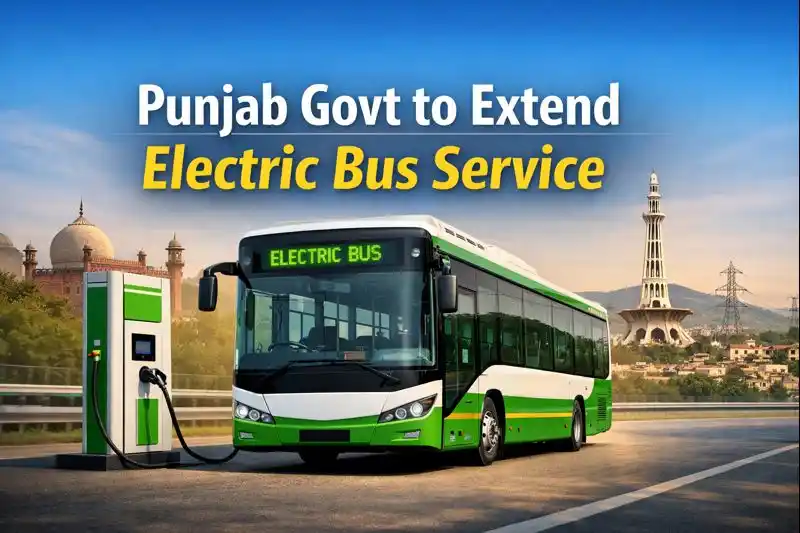
The Punjab government has announced a major expansion plan for electric bus services, aiming to extend modern public transport facilities from big cities to tehsil level. This move is being seen as a strong step towards affordable travel, reduced pollution, and improved mobility for people living in small cities and towns. Earlier, electric buses were limited to major urban centers, but now the government wants to ensure that citizens at the tehsil level also benefit from clean and reliable transport.
This initiative is part of Punjab’s broader strategy to modernize public transport, reduce fuel costs, and support an environmentally friendly transport system. With rising fuel prices and increasing traffic issues, electric buses are being presented as a long-term solution for daily commuters.
Why Punjab Is Expanding Electric Buses
The decision to extend electric bus services at the tehsil level comes after positive feedback from existing routes in major cities. These buses have provided affordable fares, comfortable travel, and reduced emissions compared to traditional diesel buses.

Punjab faces serious challenges such as air pollution, traffic congestion, and high transport costs. Electric buses help address these problems by offering zero tailpipe emissions and lower operational costs. The government believes that expanding this service will ease daily travel for students, office workers, and low-income families.
Another major reason behind this expansion is regional equality. Many tehsil-level areas lack proper public transport, forcing people to rely on expensive private options. The new electric bus routes aim to bridge this gap.
Coverage at Tehsil Level
According to initial planning, the electric bus service will be introduced in selected tehsils during the first phase. Priority will be given to tehsils with high population density, educational institutions, hospitals, and government offices.
The government is working on route mapping to ensure that buses cover important residential and commercial areas. Local administrations will also be involved in identifying suitable routes and bus stops. Over time, the network is expected to expand further based on demand and performance.
This approach ensures that the service remains practical, cost-effective, and aligned with local needs.
Facilities and Features of Electric Buses
The electric buses planned for tehsil-level operations will offer modern facilities similar to those operating in large cities. These include:
- Air-conditioned environment for comfortable travel
- Smooth and noise-free ride
- Easy access for elderly and differently-abled passengers
- Digital ticketing and fare transparency
- Security cameras for passenger safety
The buses are designed to operate efficiently even during long daily schedules, with charging stations planned at depots and key locations.
Affordable Fares for Daily Commuters
One of the main highlights of this project is affordability. The Punjab government aims to keep fares within reach of the general public. Electric buses have lower fuel and maintenance costs, allowing authorities to offer reasonable ticket prices without compromising service quality.
Affordable fares are especially important for students and low-income workers who rely heavily on public transport. By reducing travel costs, the government hopes to improve access to education, healthcare, and employment opportunities.
Environmental Impact and Clean Energy Goals
Electric buses play a crucial role in reducing carbon emissions and improving air quality. Punjab has been struggling with smog and air pollution, especially during winter months. Transitioning from diesel buses to electric alternatives can significantly reduce harmful emissions.
This initiative aligns with Pakistan’s broader environmental commitments and clean energy goals. By promoting electric transport at the grassroots level, Punjab is setting an example for sustainable urban and rural mobility.
Economic and Employment Benefits
Apart from environmental advantages, the electric bus expansion is expected to create new employment opportunities. Jobs will be generated in areas such as bus operations, maintenance, charging infrastructure, and route management.
Local businesses may also benefit from improved connectivity, as better transport increases customer access and workforce mobility. Tehsil-level markets and commercial centers are likely to see positive economic activity.
Challenges and Government Strategy
While the project has strong potential, it also comes with challenges. These include charging infrastructure development, technical training for staff, and ensuring uninterrupted power supply.
The Punjab government is reportedly working with relevant departments and private partners to address these issues. Solar-powered charging stations and phased implementation are among the strategies being considered to ensure smooth operations.
Regular monitoring and public feedback will play a key role in improving service quality.
Future Expansion Plans
If the tehsil-level electric bus service proves successful, the government plans to expand it further to smaller towns and rural routes. Integration with existing transport systems is also under consideration to create a seamless travel experience.
Long-term plans may include smart ticketing systems, mobile apps for route tracking, and increased fleet size based on passenger demand.
Conclusion – Punjab Govt Extending Electric Buses at Tehsil Level
The Punjab government’s decision to extend electric bus services to the tehsil level marks an important step towards inclusive and sustainable public transport. By focusing on affordability, environmental protection, and regional connectivity, this initiative has the potential to improve daily life for millions of citizens.
If implemented effectively, electric buses at the tehsil level can reduce transport inequality, support clean energy goals, and strengthen local economies. This project reflects a forward-looking approach to public transport in Punjab.