Electricity Bills Likely to Rise in 2026 – Complete Analysis for Consumers, Businesses & Industries
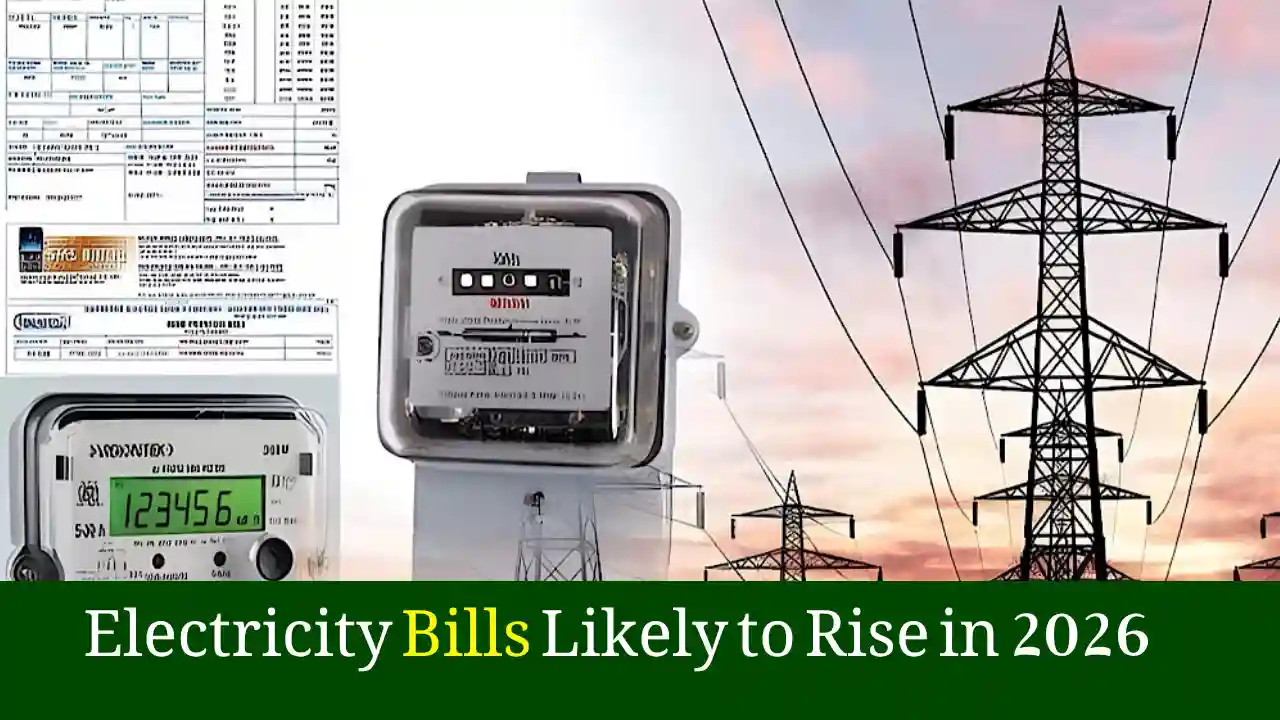
Pakistan is preparing for another possible wave of increased electricity bills in 2026, as fresh proposals submitted to the National Electric Power Regulatory Authority (NEPRA) indicate a higher national power purchase price (NPPP) for the upcoming fiscal year. The Central Power Purchasing Agency (CPPA) has recommended setting the power purchase price in the range of Rs. 25.69 to Rs. 26.69 per unit, raising serious concerns for households, industries, and commercial consumers across the country.
This development once again puts the spotlight on Pakistan’s long-standing energy crisis—dominated by expensive fuel imports, dollar-based power contracts, and rising circular debt. If approved, the proposal could push electricity tariffs further upward in 2026, adding more pressure on already struggling consumers.
In this detailed 1500-word analysis, we break down what the proposal means, why prices may increase, how industries are reacting, and what consumers should expect next year.
Why Electricity Bills May Increase in 2026
The CPPA’s proposal is centered on the National Power Purchase Price (NPPP)—a key component used by NEPRA to determine how much consumers ultimately pay per unit of electricity.
Key factors behind the proposed increase:
- Higher fuel costs expected in 2026
- Dollar exchange rate volatility
- Capacity payments to IPPs (Independent Power Producers)
- Projected increase in electricity demand
- Circular debt pressure on the national grid
Each of these factors influences how much the government pays to generate, transmit, and distribute power. When these costs rise, the burden is passed on to consumers through increased tariffs.

Overview of CPPA’s Proposal
During the public hearing, CPPA submitted that based on future demand, fuel prices, and financial assumptions, the national power purchase price should fall between:
Rs. 25.69 and Rs. 26.69 per unit
This price is not the final consumer tariff, but it heavily influences how much NEPRA sets as the base tariff for the coming year.
Read Also: Breaking News: Government Announces Local Holiday in Sindh District
Industries warn of economic slowdown
Business associations fear that approving these rates would:
- Increase production costs
- Reduce Pakistan’s competitiveness
- Lead to more factory closures
- Push exports downward
- Increase unemployment
The Federation of Pakistan Chambers of Commerce & Industry (FPCCI) noted that high electricity costs are already forcing industries to cut operations.

What Happened at the NEPRA Public Hearing?
NEPRA Chairman Wasim Mukhtar chaired the hearing, where CPPA officials defended their proposal.
Major highlights from the hearing:
1. NEPRA questioned incomplete data
Member Rafiq Ahmed Sheikh called the proposal “incomplete and unclear”, raising doubts about the assumptions used.
2. Businesses warned of economic danger
Industry leaders said persistent high power prices:
- Reduce exports
- Increase cost of doing business
- Slow economic growth
- Deter foreign investment
3. Debate over exchange rate
Business groups urged NEPRA not to set unrealistic dollar assumptions, since even a small depreciation increases fuel costs dramatically.
4. Final decision pending
NEPRA stated it will consult all stakeholders before making a final decision for FY 2026.
A final ruling is expected at the end of this year.

Why Electricity Prices in Pakistan Keep Rising
Pakistan’s energy sector has long been plagued by structural issues. The biggest reasons electricity remains expensive include:
1. Dollar-linked IPP contracts
Many independent power producers (IPPs) receive:
- Dollar-indexed capacity payments
- Guaranteed returns even if power is NOT consumed
This adds billions to circular debt every year.
Read Also: Breaking News: Japan Announces Fully Funded ADB Scholarship 2025 for Pakistani Students
2. Expensive imported fuels
Pakistan relies heavily on:
- Furnace oil
- LNG
- Coal
When global fuel prices rise, electricity costs immediately increase.
3. Transmission losses and theft
Power theft and technical losses add Rs. 80–120 billion yearly, which consumers eventually pay for.
4. Circular debt
Circular debt crossed Rs. 2.7 trillion, forcing the government to increase tariffs to reduce financial burden.
5. Low recovery rates
Poor bill collection means electricity companies fail to recover full costs—again passed on to taxpayers and consumers.

How Higher Power Tariffs Will Affect Consumers in 2026
If NEPRA approves the CPPA’s proposed price range, consumers may face:
✔ Higher monthly bills
- Residential users will pay more per unit
- Commercial shops will face increased operating costs
- Farms and tube wells will become more expensive to run
✔ Increased fuel price adjustments (FPA)
As fuel costs fluctuate, monthly FPA charges may also increase.
✔ Higher taxes & surcharges
Govt often adds extra charges to meet IMF conditions.
✔ Higher industrial tariffs
Industries may pass these costs to consumers through increased product prices.
✔ Inflation may rise again
Electricity cost is a major contributor to inflation.
What Business Leaders Are Saying
FPCCI concerns
FPCCI’s Rehan Javed warned that numbers indicate electricity “will not become cheaper in 2026”, calling it a major threat to economic stability.
Karachi Chamber’s warning
KCCI’s Tanveer Bari urged regulators not to overestimate the dollar rate, saying inflated estimates directly hurt consumers and industries.
Impact on the Average Household
For families already struggling with rising:
- Grocery prices
- Fuel costs
- School fees
- Gas bills
…a further increase in electricity rates will add more burden.
A typical household using 300–500 units may see an increase of Rs. 800–2,500 per month if tariffs rise in 2026.
Does the Government Have Alternatives?
Experts have repeatedly recommended the following solutions:
1. Shift to local renewable energy
Pakistan has huge potential for:
- Solar
- Wind
- Hydropower
but investment remains low.
2. Renegotiate IPP contracts
IPP capacity payments can be reduced through renegotiation.
3. Improve transmission efficiency
Better lines and systems can save billions in losses.
4. Energy conservation
Large-scale conservation policies can reduce peak demand.
5. Encourage rooftop solar
Net metering expansion can reduce dependency on the central grid.
But experts warn that without structural reforms, electricity prices will continue to rise every year.
When Will NEPRA Announce the Final Tariff for 2026?
NEPRA will review:
- CPPA’s data
- Market fuel prices
- Stakeholder feedback
- IMF commitments
- Exchange rate projections
A final tariff decision is expected by December 2025.
If approved, the new prices will apply from July 2026.
Read Also: Breaking News: FBR Announces One Last Extension for Manual Tax Returns – Shift to Online Filing Now
Conclusion About Electricity Bills Likely to Rise in 2026:
Pakistan’s electricity prices are likely to increase again in 2026 as the national power regulator evaluates a proposal suggesting a higher national power purchase price. With rising fuel costs, dollar-linked contracts, and ongoing circular debt challenges, the energy sector remains financially unstable. Industries fear declining competitiveness, while households may face higher monthly bills. NEPRA’s final decision later this year will determine the extent of the tariff hike, but the warning signs indicate another expensive year for consumers.
Frequently Asked Questions (FAQs)
1. Why are electricity bills expected to increase in 2026?
Electricity bills may rise because the CPPA has proposed a higher national power purchase price based on expected fuel costs, dollar exchange rate assumptions, and rising electricity demand. NEPRA is reviewing this proposal, which could increase the base tariff for all consumers.
2. How much could electricity prices increase next year?
If approved, the new power purchase price between Rs. 25.69–26.69 per unit could lead to higher tariffs. Final consumer prices will depend on NEPRA’s decision and additional taxes, surcharges, and monthly fuel price adjustments.
3. Who will be affected the most by the hike?
Households using 300–500 units per month, small businesses, industries, and commercial consumers will face higher monthly bills. Industries warn that increased tariffs will reduce competitiveness and raise product prices.
4. When will NEPRA announce the final decision for 2026 electricity rates?
NEPRA is expected to announce the final decision by December 2025 after consulting industry stakeholders and reviewing CPPA’s data. New rates will apply from July 2026.
5. Can the government reduce electricity prices?
Yes, but only through long-term reforms like expanding renewable energy, improving transmission systems, renegotiating IPP contracts, reducing line losses, and promoting rooftop solar. Without reforms, prices will continue rising yearly.