
How to Charge an Electric Bike at Home Safely – Step-by-Step User Guide
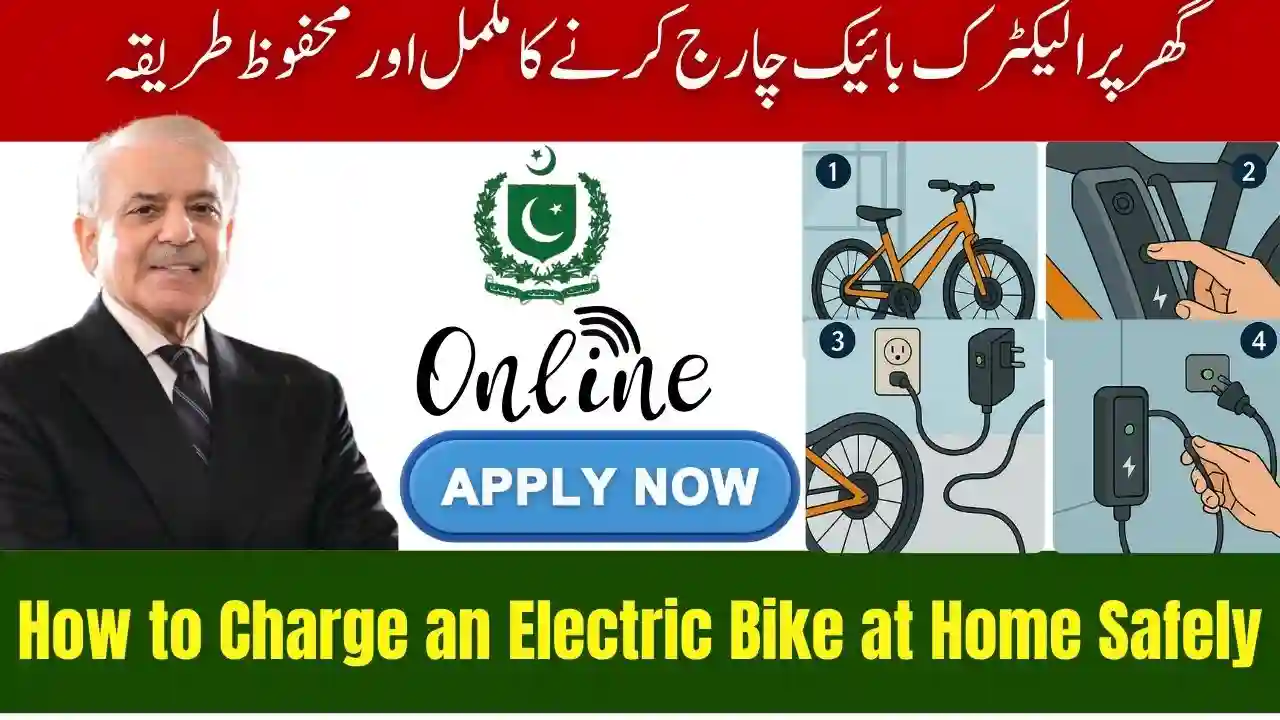
Charge Electric Bike at Home Guide are becoming increasingly popular in Pakistan and around the world due to their affordability, eco-friendliness, and low running cost. But one of the most common questions new e-bike owners ask is: “How do I charge my electric bike safely at home?”
In this detailed guide, we’ll explain how to charge your e-bike battery at home safely, including step-by-step instructions, charging time, dos and don’ts, safety tips, and battery-care recommendations to help you extend your e-bike’s lifespan.
🚴♂️ Why Proper Charging Matters for Your Electric Bike Battery
The battery is the heart of your electric bike, and proper charging habits directly affect its lifespan and performance. A typical lithium-ion battery (used in most e-bikes) lasts between 700–1,000 charge cycles, depending on how well you maintain and charge it.
Key Benefits of Safe Charging:
- Increases battery life and range
- Prevents overheating or short circuits
- Improves overall performance
- Reduces maintenance cost
- Enhances safety during daily use

🔋 Step-by-Step Guide: How to Charge an Electric Bike at Home Safely
Charging your electric bike is simple — but doing it correctly and safely is essential to avoid battery damage. Here’s a complete step-by-step process for home charging:
Step 1: Park Your Bike in a Safe, Dry, and Ventilated Place
Before charging:
- Choose a cool, dry indoor space — avoid sunlight, rain, or humid environments.
- Do not charge outdoors or near flammable materials (e.g., petrol, gas cylinders, paper, cloth).
- Place your bike on a flat surface so it won’t fall during charging.
✅ Pro Tip: If you live in an apartment or area with unstable power supply, use a surge protector or voltage stabilizer.
Step 2: Turn Off the Bike Before Charging
- Always switch off the ignition or power button before connecting the charger.
- Unplug other high-load appliances from the same outlet to prevent voltage fluctuations.
This step ensures the charger and battery system are synchronized safely before current flows.
Step 3: Remove the Battery (If Detachable)
Most modern electric bikes in Pakistan (e.g., Jolta, Road Prince, Metro, Evee, or Yadea) feature removable lithium-ion batteries.
- Unlock the battery with the key.
- Carefully remove it and place it on a non-metallic surface.
- Avoid touching both terminals simultaneously.
If your e-bike has a built-in battery, simply connect the charging cable directly to the bike’s charging port.
Step 4: Plug the Charger into the Power Source First
Always connect the charger to the wall socket first and then to the bike battery.
This order prevents short circuits or power surges that can harm the charger.
- Insert the charger plug into a properly grounded outlet.
- Ensure there’s no spark or loose connection.
Step 5: Connect the Charger to the Battery Port
Now attach the charger’s connector to your battery’s charging input port.
- The port is usually labeled “Charge” or marked with a lightning symbol.
- Plug it firmly to ensure a tight fit.
- Once connected, the indicator light on the charger should turn red, showing that charging has started.
Step 6: Monitor the Charging Process
- Check the LED indicator:
- Red light → Charging in progress
- Green light → Fully charged
- Normal charging time ranges from 3 to 6 hours, depending on battery capacity (e.g., 48V/60V).
Avoid leaving the battery charging overnight or unattended for long hours.
✅ Tip: If your battery gets unusually hot, stop charging immediately and let it cool.
Step 7: Disconnect After Full Charge
Once fully charged:
- Turn off the power switch or unplug the charger from the wall socket.
- Then remove the charging plug from the battery or bike port.
- Reinstall the battery (if removed) into the e-bike securely.
⚠️ Do not keep your charger plugged in after the green light — overcharging reduces battery lifespan.

⚙️ Understanding Electric Bike Battery Types and Charging Time
Different e-bikes use different types of batteries. Knowing your battery type helps you charge it properly.
| Battery Type | Typical Voltage | Charging Time | Lifespan (Cycles) | Notes |
|---|---|---|---|---|
| Lithium-Ion (Li-ion) | 48V / 60V | 4–6 hours | 700–1,000 | Most common in modern e-bikes |
| Lithium-Phosphate (LiFePO4) | 60V / 72V | 5–8 hours | 1,000–1,500 | More stable and long-lasting |
| Lead-Acid | 48V / 60V | 6–8 hours | 300–500 | Heavier, cheaper, older technology |
✅ Recommendation: Always use the original charger provided by the manufacturer.

🧠 Smart Charging Habits to Extend Battery Life
Here are the most effective tips to make your e-bike battery last longer:
- Avoid deep discharges – recharge when battery level drops to 30–40%, not 0%.
- Partial charging is better – it’s fine to charge your e-bike daily, even if not fully drained.
- Keep battery between 20°C–30°C – extreme heat or cold shortens lifespan.
- Unplug after full charge – never keep charging overnight.
- Use a surge protector – it prevents voltage spikes from damaging cells.
- Store battery at 50–60% charge if unused for weeks.
- Clean charging port regularly to prevent dust or corrosion.

🔥 Common Mistakes to Avoid When Charging an Electric Bike
| ❌ Mistake | ⚠️ Why It’s Harmful |
|---|---|
| Leaving on charge overnight | Causes overcharging and heat buildup |
| Using non-original or cheap charger | Can damage battery or cause short circuit |
| Charging under direct sunlight | Overheats cells, reduces efficiency |
| Plugging in before switching off | May cause electric spark or shock |
| Ignoring ventilation | Traps heat, risks fire hazard |
| Charging immediately after riding | Battery is still hot — wait 15–20 minutes |
| Using wet or rusted sockets | Increases risk of electric shock |
🏠 Can You Charge an Electric Bike with Solar Power?
Yes! If you have solar panels at home, you can easily charge your e-bike battery through:
- Direct DC output system using a solar charge controller
- AC inverter system that powers the normal charger
However, ensure:
- The voltage output matches your e-bike charger rating
- The inverter is stable and surge-protected
- Charging time may be longer on cloudy days
✅ Example:
A 60V 20Ah battery (≈1,200 Wh) can be fully charged using a 200W solar panel in about 6–7 hours of sunlight.
⚡ How Much Does It Cost to Charge an Electric Bike at Home?
Charging cost depends on your electricity tariff and battery capacity.
Example Calculation:
- Battery: 60V × 20Ah = 1.2 kWh
- If 1 unit (kWh) = Rs. 50 (average domestic rate)
→ Charging cost ≈ Rs. 50 per full charge
That’s enough for 70–100 km of travel, costing less than Rs. 1 per km, compared to petrol bikes that cost Rs. 4–6/km.
🧯 Electric Bike Charging Safety Checklist
Before plugging in your e-bike, review this quick checklist:
✅ Use original charger only
✅ Plug into grounded socket
✅ Keep charger away from flammable items
✅ Charge in a cool, dry place
✅ Never cover charger while in use
✅ Do not charge damaged or swollen batteries
✅ Turn off after green light
✅ Keep out of children’s reach
🧰 Troubleshooting Common E-Bike Charging Problems
| Problem | Possible Cause | Solution |
|---|---|---|
| Charger light doesn’t turn on | Faulty socket or charger | Try different outlet; check fuse |
| Battery not charging | Loose connector or faulty battery | Inspect ports; replace cable if needed |
| Charger gets too hot | Poor ventilation or long usage | Move to ventilated area, allow to cool |
| Green light but bike won’t start | Faulty BMS or controller | Visit authorized service center |
| Spark during plug-in | Plug order incorrect | Always connect charger to wall first |
🌿 Environmental Benefits of Electric Bike Charging
Charging your e-bike at home is not only economical but also eco-friendly.
- Zero tailpipe emissions
- Lower carbon footprint than fuel vehicles
- Reduces dependency on fossil fuels
- Encourages sustainable urban transport
By charging at home, especially using solar or renewable energy, you directly contribute to clean mobility goals under Pakistan’s Green Energy Policy 2025.
Read Also: Breaking News: Peshawar to Launch Electric Rickshaw Project 2025 – KP Government Approves Green Transport Plan
🏁 Final Thoughts
Charging an electric bike at home safely is easy once you know the right steps. By following the above guidelines, precautions, and best practices, you can keep your e-bike battery healthy, efficient, and long-lasting.
Whether you own a Jolta, Evee, Metro, Yadea, or any other Pakistani e-bike brand, safe home charging ensures better performance, lower cost, and peace of mind.
🧩 FAQs — Electric Bike Charging at Home
Q1. Can I charge my electric bike overnight?
It’s not recommended. Overcharging may heat up the battery and reduce lifespan. Unplug once the green light shows.
Q2. How many hours does an e-bike take to charge?
Most lithium-ion e-bikes take 4–6 hours for a full charge, depending on the charger and battery capacity.
Q3. Can I use an extension cord to charge my e-bike?
Yes, but only use a high-quality, heavy-duty cord with surge protection to avoid overheating.
Q4. How do I know if my e-bike battery is fully charged?
Check the charger LED — red means charging, green means full. Some bikes also display charge percentage on the dashboard.
Q5. Is it safe to charge during rain or humidity?
No. Always charge indoors in a dry, ventilated space to avoid short circuits.
Q6. Can I charge my e-bike with solar power?
Yes, with a proper inverter or DC system. It’s an eco-friendly and cost-effective option.
Q7. How often should I charge my e-bike?
Charge daily if you ride frequently. Avoid letting it discharge below 20%.
Q8. What happens if I overcharge my battery?
Overcharging leads to cell degradation, heat buildup, and reduced lifespan. Always disconnect once fully charged.