Electric Vehicle Policy Pakistan 2025 – Goals, Benefits, and Future Vision
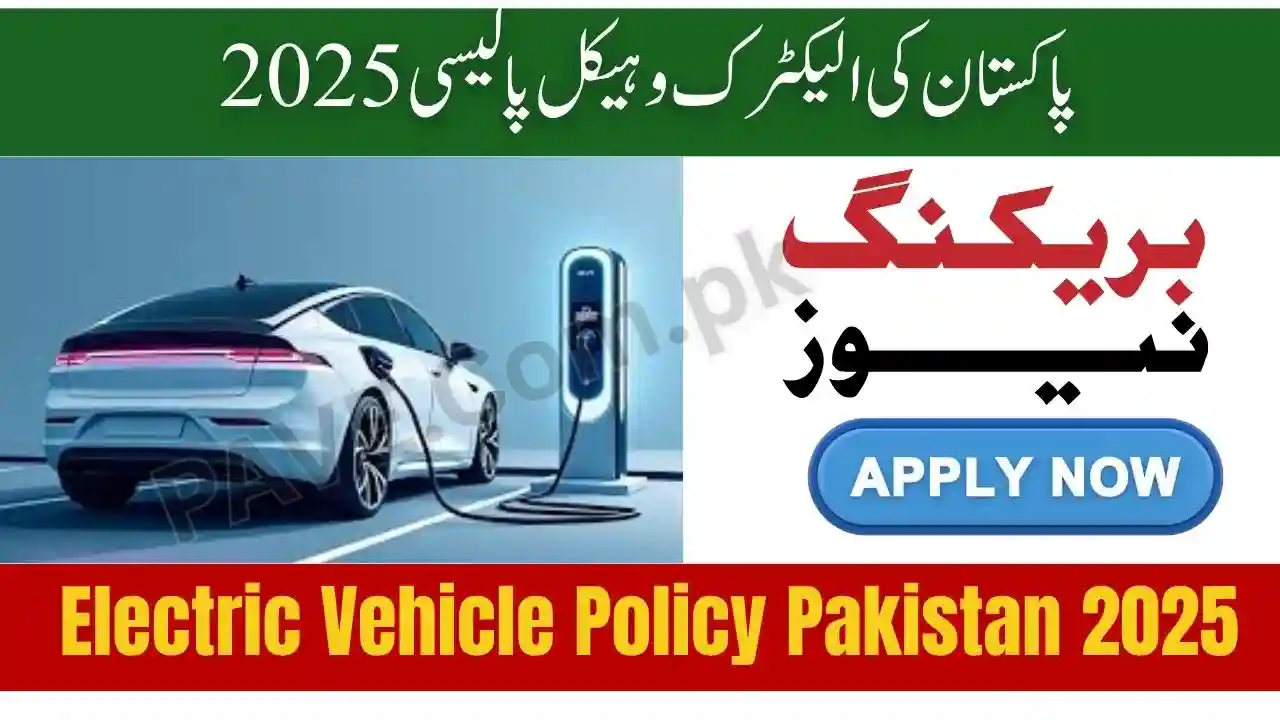
Electric Vehicle Policy Pakistan 2025 is undergoing a major shift as the government accelerates its strategic roadmap to reduce carbon emissions, cut fuel imports, and promote clean mobility across the country. The Electric Vehicle Policy Pakistan 2025 is a landmark initiative designed to transform the automotive landscape by promoting electric bikes, electric cars, electric rickshaws, buses, trucks, and commercial EV fleets.
This comprehensive article explores the goals, benefits, implementation strategy, incentives, charging infrastructure, private sector role, and the broader future vision of Pakistan’s electric vehicle ecosystem under the 2025 policy.
Understanding the Electric Vehicle Policy Pakistan 2025
The EV Policy 2025 aims to achieve mass adoption of electric mobility across Pakistan by incentivizing manufacturing, improving affordability, and increasing access to charging networks. The policy covers three broad categories:
- Electric two-wheelers (bikes and scooters)
- Electric three-wheelers (rickshaws and loaders)
- Electric four-wheelers and commercial vehicles (cars, vans, buses, and trucks)
The government’s vision focuses on reducing Pakistan’s fuel dependency, cutting environmental pollution, and enabling green economic growth.

Key Goals of Electric Vehicle Policy Pakistan 2025
1. Promote Mass Adoption of Electric Bikes and Rickshaws
Electric two- and three-wheelers make up the largest portion of Pakistan’s transportation network. The policy aims to convert at least:
- 50% of new motorcycles
- 40% of new rickshaws
into EVs by 2030, with a major push starting in 2025.
2. Reduce Carbon Emissions and Improve Air Quality
Pakistan is among the countries facing severe air pollution challenges. The policy aims to:
- Cut CO₂ emissions by up to 30% in the transport sector
- Reduce toxic PM2.5 particles from petrol-based vehicles
- Improve urban air health indicators
3. Lower Pakistan’s Fuel Import Bill
The country spends billions of dollars annually on petroleum imports. EV adoption is expected to:
- Reduce oil imports
- Strengthen energy independence
- Improve the current account balance
4. Create Local Manufacturing and Green Jobs
The 2025 EV Policy is designed to support:
- Local EV assembly plants
- Lithium-ion battery manufacturing
- Skilled green jobs
- New technology startups
5. Encourage Investment in Charging Infrastructure
The government will license and support:
- Public charging stations
- Home charging installations
- Fast-charging corridors on highways
- University and workplace EV chargers
Read Also: Gold Rate in Pakistan Increases Again – November 10, 2025 Update
Major Components of Electric Vehicle Policy Pakistan 2025
1. Tax Incentives and Duty Reductions
To make EVs affordable, the policy provides:
- 0% custom duty on EV-specific parts
- Reduced GST (1% for EV bikes and rickshaws)
- Import duty relaxation on chargers
- Special incentives for 4-wheeler EVs
These measures ensure lower prices for consumers and significantly reduce production costs for manufacturers.
2. Easy Financing and Installments for EV Buyers
The policy includes partnerships with:
- Commercial banks
- Microfinance institutions
- Leasing companies
These institutions will offer:
- Low-markup EV loans
- Small monthly installment plans
- Special financing for students, women, and delivery riders
This aligns with Punjab’s EV initiatives such as PAVE.
3. National EV Charging Infrastructure Plan
Under the 2025 roadmap:
- Public chargers will be installed in major cities
- Fast chargers will be deployed on motorways
- Private dealerships will be allowed to install paid charging stations
- Solar-based EV chargers will be promoted to reduce electricity costs
4. Local Production and Technological Innovation
The policy encourages:
- Local EV bike manufacturing
- Battery swapping stations
- EV component research
- Green technology startups
This approach reduces reliance on imports and builds a sustainable domestic ecosystem.
Benefits of the Electric Vehicle Policy Pakistan 2025
1. Environmental Benefits
- Significant reduction in air pollution
- Lower greenhouse gas emissions
- Reduced noise pollution
- Cleaner and healthier cities
2. Economic Benefits
- Savings on petrol and diesel imports
- Lower operational cost for EV users
- New investment opportunities
- Employment growth in EV manufacturing, repair, and charging sectors
3. Financial Benefits for Consumers
EVs offer:
- Lower fuel cost (charging costs 70–80% less than petrol)
- Minimal maintenance expenses
- Longer vehicle life cycles
- Easy loan options under the 2025 financing model
4. Technological Advancement
The EV policy promotes:
- Lithium battery innovation
- Smart mobility solutions
- Digital payment systems for EV charging
- Advanced safety and navigation technologies
5. Cleaner Transportation for Major Cities
Cities like Lahore, Karachi, Rawalpindi, Faisalabad, and Peshawar will benefit from:
- Cleaner air quality
- Reduced traffic noise
- Safer and environmentally friendly public transport
Read More: Breaking News: Saif-ul-Maluk Lake Reopens with New Visiting Hours for Tourists 2025

Charging Infrastructure Under EV Policy Pakistan 2025
1. Urban Charging Networks
The policy mandates installation of EV chargers at:
- Commercial plazas
- Fuel stations
- Universities
- Government offices
- Parking lots
2. Highway Fast-Charging Plan
The government aims to install fast chargers along the following routes:
- Lahore–Islamabad Motorway (M-2)
- Lahore–Multan Motorway (M-3)
- Karachi–Hyderabad Super Highway
- Peshawar–Islamabad Motorway (M-1)
3. Solar-Powered Charging Solutions
To reduce the load on the national grid, the policy promotes:
- Solar parking lots
- Solar charging cabinets for bikes
- Hybrid energy EV chargers
Role of the Private Sector in EV Expansion
Private companies, automotive manufacturers, and tech startups are actively participating in:
- EV bike production
- Battery swapping stations
- Importing EV cars and buses
- Charging network deployment
- Ride-hailing EV fleets
This creates competition, lowers prices, and accelerates innovation.
Future Vision of Electric Vehicle Policy Pakistan 2025
1. EV-Integrated Smart Cities
Pakistan aims to build:
- Smart parking systems
- EV-only zones
- Automated charging hubs
- Digital EV traffic monitoring
2. Electrification of Public Transport
The long-term vision includes:
- 100% electric BRT buses
- Electric school and university buses
- EV vans for government staff
- Electric cargo and delivery trucks
3. Affordable EVs for Mass Consumers
Future policies will focus on:
- Ultra-low-cost electric bikes
- Locally assembled electric cars
- Battery swapping for riders
- Long-term warranties and after-sales service
4. Green Energy and EV Integration
The government plans to link EVs with:
- Renewable energy
- Smart grids
- Energy-efficient planning
5. Global Partnerships
Collaboration with China, Turkey, and Europe will help in:
- EV technology transfer
- Battery innovation
- Local industry development
Read Also: Future of Electric Transport: Will PAVE Expand to Buses and Delivery Vans Next?
FAQs Electric Vehicle Policy Pakistan 2025:
1. What is the purpose of the Electric Vehicle Policy Pakistan 2025?
The policy aims to promote clean mobility, reduce petrol consumption, cut air pollution, and encourage local EV manufacturing.
2. Does the EV policy provide benefits for electric bike users?
Yes. The policy offers low taxes, cheap installments, and easier financing for EV bike and rickshaw users.
3. Will charging stations be available nationwide?
Yes. A national EV charging network is being developed in major cities and along highways.
4. Are electric cars becoming more affordable in Pakistan?
With duty reductions, tax incentives, and local assembly plans, electric cars are expected to become more affordable by 2025–2026.
5. Does the policy support battery swapping?
Yes. Battery swapping stations for bikes and rickshaws are encouraged under the EV roadmap.
6. How will the EV policy affect fuel consumption?
The policy aims to significantly reduce petrol and diesel usage, lowering Pakistan’s reliance on fuel imports.
7. Are there financing options for students and delivery riders?
Yes. Several banks and government programs are launching low-markup installment plans for students, women, and delivery workers.