Inside Pakistan’s EV Revolution: How PAVE Is Driving Electric Mobility Nationwide
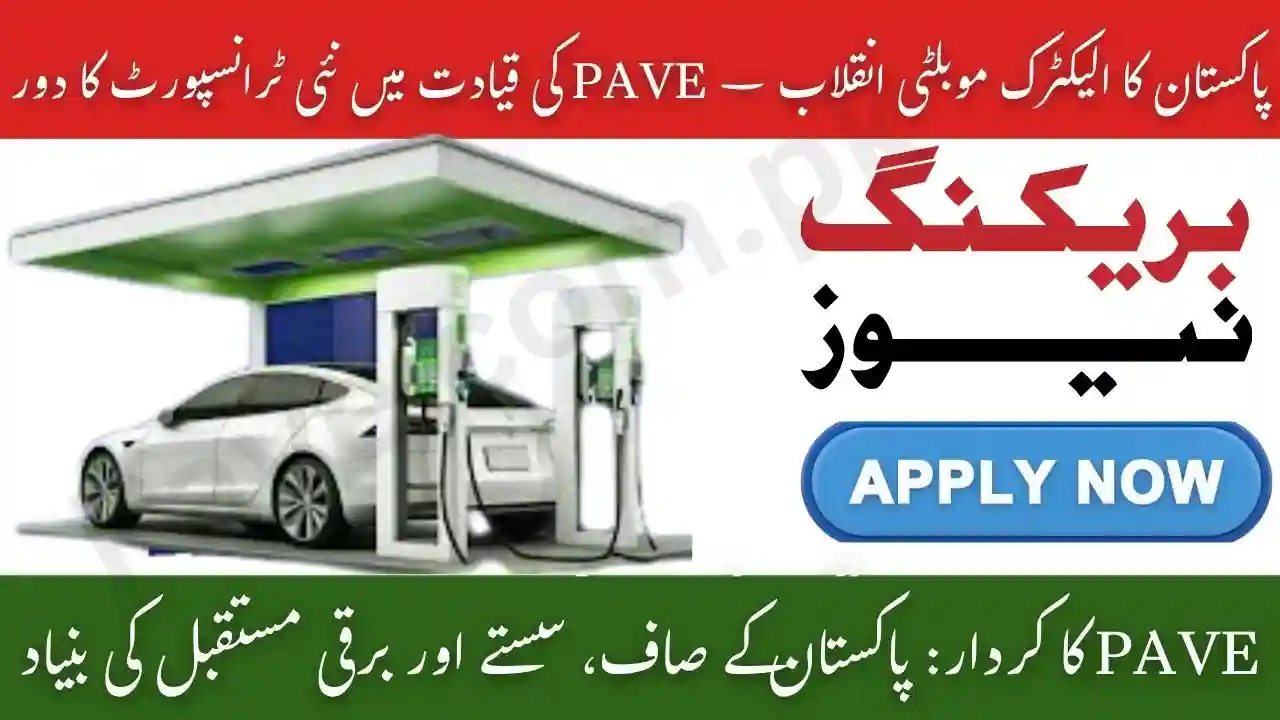
Electric Mobility Pakistan is experiencing a historic transformation in its transport and energy sectors. With rising fuel prices, growing environmental concerns, and the global shift toward clean mobility, the country has launched several initiatives to accelerate the adoption of electric vehicles (EVs). Among all programs, the PAVE (Pakistan Vision for Electric Mobility) initiative stands out as the flagship project driving nationwide EV awareness, accessibility, and affordability.
From subsidized electric bikes to large-scale EV infrastructure, PAVE is not only reshaping Pakistan’s mobility landscape but also building a future-ready green economy. This detailed 1500+ word article explores Pakistan’s EV revolution, PAVE’s role, government incentives, market opportunities, battery innovation, charging network expansion, and future predictions.
What Is PAVE? Understanding Pakistan’s Electric Mobility Vision:
The Pakistan Vision for Electric Mobility (PAVE) is a comprehensive government-led program designed to shift the nation from petrol-based transportation to eco-friendly electric mobility. The initiative directly supports the National Electric Vehicle Policy (NEVP) by enabling:
• Adoption of electric motorcycles
• Expansion of electric rickshaws
• Implementation of clean transport in public and private fleets
• Development of EV manufacturing and assembly units
• Introduction of subsidized installment plans for students and low-income citizens
PAVE’s mission is simple: reduce fuel imports, cut pollution, and modernize Pakistan’s transport system.

Why Pakistan Needs an EV Revolution in 2025 and Beyond:
Pakistan imports billions of dollars of fuel annually. This dependency weakens the economy and boosts inflation. With frequent petrol price hikes, citizens face heavy financial burdens, especially students, riders, delivery workers, and daily commuters.
The EV revolution solves multiple national challenges simultaneously:
- Lower transportation costs
EV bikes cost approximately 5–7 times cheaper per kilometer compared to petrol motorcycles. - Reduced carbon emissions
Pakistan’s cities rank among the most polluted in the world; EVs are a sustainable solution. - Economic stability
Cutting fuel imports strengthens local manufacturing and reduces foreign exchange pressure. - Green job creation
New industries in EV assembly, charging infrastructure, engineering, and maintenance are emerging.
With these advantages, Pakistan’s shift toward electric mobility is not optional—it is essential.
How PAVE Is Driving Electric Mobility Nationwide:
Below are the primary pillars through which PAVE is reshaping Pakistan’s transport ecosystem.

1. PAVE Electric Bike Scheme: Making EV Ownership Affordable
The most popular component of the PAVE initiative is the Electric Bike Scheme launched for students and youth across Punjab. The scheme offers:
• Subsidized electric bikes
• Zero mark-up installments
• Easy monthly payments
• Eligibility for college and university students
• Dedicated balloting and verification via online portal
The goal is to empower students with a sustainable, affordable, and independent mobility solution.

Why E-Bikes Are a Game Changer in Pakistan:
Electric bikes are ideal for Pakistan because:
• They require no petrol
• Batteries charge at home
• Maintenance cost is extremely low
• They support daily travel of 40–80 km
• They reduce environmental pollution
For students who travel daily to educational institutions, an E-Bike cuts their monthly travel cost by up to 80%.
2. PAVE E-Rickshaw Initiative: Clean Mobility for Low-Income Earners
Traditional rickshaws consume expensive fuel and emit heavy smoke. The PAVE E-Rickshaw Scheme aims to replace thousands of petrol rickshaws with silent, electric rickshaws.
Key benefits include:
• Cheaper daily operation
• High income potential for drivers
• Low maintenance
• No engine oil or tuning required
• Zero smoke and reduced carbon footprint
This initiative uplift low-income families by increasing their earning potential while lowering their expenses.
3. EV Charging Network Expansion Across Pakistan:
A major goal of PAVE is to develop a nationwide EV charging infrastructure. Partnerships with private companies, tech firms, and energy organizations are enabling:
• Fast charging stations in major cities
• Charging booths at petrol pumps
• Home charging solutions
• Solar-powered charging units
• Pilot charging networks for buses and cars
With charging stations expanding rapidly, EV adoption is becoming more practical and convenient.
4. Battery Innovation and Local Manufacturing:
Pakistan is promoting the development of local battery assembly and EV components. This includes:
• Lithium-ion battery assembly units
• Battery swapping stations
• Research on hybrid battery technologies
• Collaboration with Chinese EV manufacturers
Local production reduces costs, increases availability, and strengthens the domestic EV market.
5. Government Incentives Encouraging EV Adoption:
To make EVs accessible for all socioeconomic groups, the government has introduced multiple incentives:
• Zero import duty on parts of electric motorcycles
• Reduced sales tax on EVs
• Tax exemptions on charging equipment
• Incentives for manufacturers and startups
• Special financing programs through banks
These steps are making EV ownership cheaper than traditional fuel-based transport.

Pakistan’s EV Market Growth: Key Trends in 2025:
The EV landscape in Pakistan has entered a rapid growth phase. Here are the leading trends:
Trend 1: Surge in Electric Motorcycle Demand
With petrol prices consistently rising, electric motorcycles have become the most searched mobility product. The PAVE bike scheme has further boosted this trend.
Trend 2: Youth and Students Driving EV Adoption
The majority of EV applicants are aged 18–30. Students, delivery riders, freelancers, and gig workers are shifting toward EVs due to savings in daily travel.
Trend 3: EV Companies Entering Pakistan
Many local and international companies are entering the market with affordable models. These include:
• Jolta Electric
• Metro EV
• Road King
• Crown EV
• Yadea
• Evee
• Sazgar Electric
This competition is lowering prices and increasing choices for customers.
Trend 4: Growth in Battery-Swapping Technology
Battery swapping is becoming popular in urban regions because it allows drivers to exchange a low battery with a fully charged one instantly.
Trend 5: Government Push for Public Transport Electrification
Electric buses and vans are expected to join city fleets soon, reducing pollution and cost for mass commuters.
Challenges in Pakistan’s EV Revolution:
While the future is promising, the EV ecosystem still faces challenges:
1. High Initial Purchase Cost
Although EVs are cheaper in the long run, upfront cost is still higher than petrol motorcycles.
2. Limited Charging Stations
Charging infrastructure is growing but not yet widespread.
3. Battery Replacement Costs
Lithium-ion battery replacement can be expensive; however, prices are reducing yearly.
4. Lack of Technical Training
Pakistan needs more trained technicians and EV mechanics to support long-term growth.
5. Awareness Gaps
Many citizens still lack understanding of how EVs work, how they charge, and how they save money.
PAVE aims to overcome these challenges through continuous expansion and policy refinement.
PAVE’s Long-Term Vision for Pakistan’s EV Future:
The future of Pakistan’s EV revolution is bright. By 2030, government projections show:
• Over 50% of motorcycles will be electric
• Electric rickshaws will replace traditional two-stroke and four-stroke models
• EV buses will operate in major cities
• Domestic EV manufacturing will reduce import dependency
• Solar charging networks will power most EVs
PAVE is developing the foundation for a sustainable, technologically advanced, and economically stable transport system.
Read Also: Breaking News: Punjab Govt Announces Final Decision on Increasing Electric Bus Ticket Price
Conclusion: Why PAVE Is the Powerhouse Behind Pakistan’s EV Revolution:
The PAVE initiative is more than a bike scheme; it is a national transformation program. By enabling affordable electric mobility, strengthening manufacturing, lowering emissions, and modernizing transportation, PAVE is helping Pakistan shift into a global green economy.
Pakistan’s EV revolution has officially begun—and PAVE is leading the way toward a cleaner, smarter, and economically secure future.
FAQs – Inside Pakistan’s EV Revolution & PAVE Program:
Q1. What is the main purpose of the PAVE initiative?
PAVE’s primary goal is to promote electric mobility across Pakistan by providing affordable EV options, supporting manufacturing, and developing a nationwide charging infrastructure.
Q2. Who can apply for the PAVE Electric Bike Scheme?
College and university students, low-income workers, and eligible youth can apply based on government criteria.
Q3. Are EV bikes cheaper compared to petrol motorcycles?
Yes. Electric bikes reduce monthly fuel expenses by up to 80% and require almost zero maintenance.
Q4. How does the PAVE E-Rickshaw Scheme help low-income drivers?
The scheme offers affordable electric rickshaws with low operational costs, increasing the drivers’ daily income.
Q5. Is Pakistan developing EV charging stations?
Yes, multiple public and private organizations are installing charging stations in cities, on highways, and at petrol pumps.
Q6. What are the biggest challenges to EV adoption in Pakistan?
High upfront cost, limited charging network, and battery replacement cost are the main challenges.