
12.1 Million Families to Receive PKR 13,000 Under Ramadan Relief Program 2026
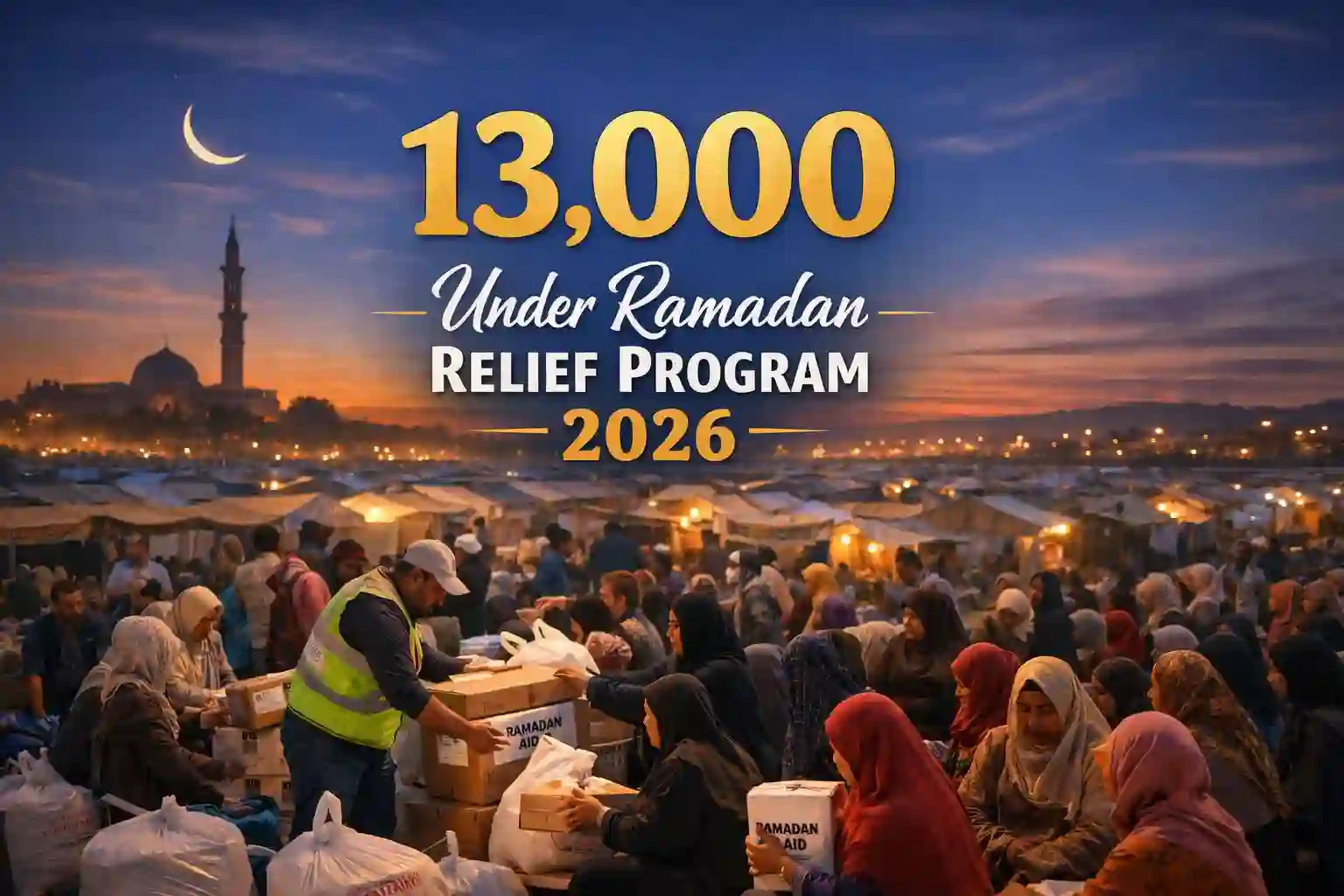
The Government of Pakistan has announced a major relief measure ahead of Ramadan 2026 to support low-income households facing rising living costs. Under the new Ramadan Relief Program, around 12.1 million families across the country will receive financial assistance of PKR 13,000 per household.
The announcement comes as part of efforts to help vulnerable families manage food and essential expenses during the holy month, when household spending usually increases. Instead of distributing physical ration bags, the government is shifting toward direct financial assistance using digital payment methods to ensure transparency and quick delivery.
This initiative is being described as one of the largest Ramadan assistance programs in recent years, covering families in all provinces as well as Gilgit-Baltistan and Azad Kashmir.
Below is a complete guide explaining how the program works, who benefits, and how payments will be delivered.
Why the Ramadan Relief Program Is Important in 2026
Inflation and rising utility costs have created financial pressure for many households across Pakistan. During Ramadan, spending increases further due to higher food consumption, charity activities, and preparation for Eid.
Many low-income families struggle to manage essential expenses during this period. The government says the relief package aims to ease this burden by providing direct cash assistance so families can purchase food and necessary household items according to their needs.
Officials also emphasized that direct cash support is more effective than ration distribution, as it allows families to choose items based on personal requirements rather than receiving fixed packages.

Key Features of the Ramadan Relief Program 2026
The Ramadan assistance package includes several important features designed to ensure smooth and transparent distribution.
Financial Assistance Per Family
Each eligible household will receive PKR 13,000 as Ramadan support.
Total Beneficiary Families
Approximately 12.1 million families across Pakistan will benefit from the program.
Nationwide Coverage
Funds will be distributed in:
- Punjab
- Sindh
- Khyber Pakhtunkhwa
- Balochistan
- Gilgit-Baltistan
- Azad Jammu and Kashmir
Digital Payment System
Payments will be transferred directly through:
- Digital wallets
- Bank accounts
- Approved digital payment channels
This approach avoids long queues and reduces chances of corruption or misuse.
Support for Previously Registered Families
Families already registered in government welfare databases will automatically be considered for assistance, reducing the need for fresh applications in many cases.

Shift from Ration Distribution to Cash Assistance
In previous years, Ramadan support often came in the form of ration bags distributed through utility stores or local centers. However, this method faced several challenges:
- Long waiting lines
- Limited supply issues
- Complaints about quality and fairness
- Transportation problems for families
By moving toward direct cash transfers, families now have the freedom to purchase groceries from local markets, often at better prices and according to their household needs.
Experts believe this change will also support local markets and small shopkeepers instead of relying solely on government distribution points.

How Payments Will Be Delivered
The government plans to use digital financial systems to transfer funds quickly and securely.
Digital Wallet Transfers
Many beneficiaries will receive funds in registered mobile wallet accounts that can be used to withdraw cash or make direct payments at shops.
Bank Account Transfers
Families with bank accounts linked to welfare databases may receive payments directly in their accounts.
Simplified Withdrawal Process
Payment partners are expected to provide easy withdrawal options through:
- Banking agents
- Mobile wallet agents
- ATMs
- Branchless banking services
This allows beneficiaries to collect funds from nearby service centers instead of traveling long distances.

Who Is Expected to Qualify?
While official eligibility details are still being finalized, assistance is expected to target families already identified through government welfare databases and poverty assessment programs.
Likely eligible groups include:
- Low-income households
- Families registered in government assistance programs
- Daily wage earners
- Widows and vulnerable families
- Persons with disabilities in financial hardship
Authorities may use existing data systems to ensure only deserving households receive assistance.
Expected Economic Impact
Apart from helping families, the Ramadan package is also expected to provide economic activity across local markets.
When millions of families receive cash assistance, spending increases in:
- Grocery shops
- Utility stores
- Local food markets
- Small retail businesses
This circulation of money can support small businesses and improve market activity during Ramadan.
Economic experts say direct financial support programs often have a multiplier effect, helping both consumers and local businesses.
Transparency and Monitoring Measures
To prevent misuse or duplication, authorities are expected to use digital verification and monitoring systems.
Possible measures include:
- Database verification of beneficiaries
- Digital payment tracking
- Identity verification systems
- Monitoring through banking and payment partners
These steps aim to ensure funds reach only eligible families.
Public Response to the Announcement
Initial public reaction appears positive, especially among families struggling with household expenses. Many citizens prefer direct financial assistance instead of ration bags because it offers flexibility.
However, some concerns remain about:
- Timely payment distribution
- Possible registration errors
- Access challenges in remote areas
Government officials have assured that payment systems are being prepared in advance to avoid delays.
Challenges That May Appear
Despite the positive announcement, some practical challenges may arise during implementation.
Digital Access Issues
Not all families have easy access to digital wallets or banking services, especially in rural areas.
Database Accuracy
Incorrect records or outdated data may lead to some deserving families missing out.
Payment Delays
Large-scale payment programs sometimes face delays due to technical or verification issues.
Authorities will need strong coordination with banks and payment partners to avoid such problems.
How Families Can Prepare
Families who believe they may qualify should ensure:
- Their identity documents are valid and updated
- Mobile numbers are active and registered in their name
- Welfare program information is updated if already registered
Staying informed through official government announcements can help families avoid scams or misinformation.
Ramadan Support Beyond Cash Assistance
Apart from direct financial support, provincial governments and charitable organizations often provide additional assistance during Ramadan, including:
- Subsidized food items
- Free ration distribution
- Community support programs
- Charity drives
Families may benefit from both government and community support initiatives.
Conclusion – 12.1 Million Families to Receive PKR 13,000 Under Ramadan Relief Program 2026
The Ramadan Relief Program 2026 aims to provide timely financial assistance to millions of low-income families across Pakistan. By offering PKR 13,000 per household through digital payment systems, the government hopes to ease financial pressure during the holy month while ensuring transparent and efficient distribution.
If implemented smoothly, the program could significantly help vulnerable families manage essential expenses and improve economic activity during Ramadan.
Beneficiaries are encouraged to stay informed through official sources and prepare necessary documents to receive assistance without delays.
As Ramadan approaches, this support program may become a crucial lifeline for many households across the country.